Dupuytren’s disease can worsen due to a combination of genetics, age, health conditions, lifestyle habits, and repeated hand stress. Understanding these factors helps identify early warning signs, manage risks such as smoking or diabetes, and take steps that may slow progression and preserve long-term hand function.

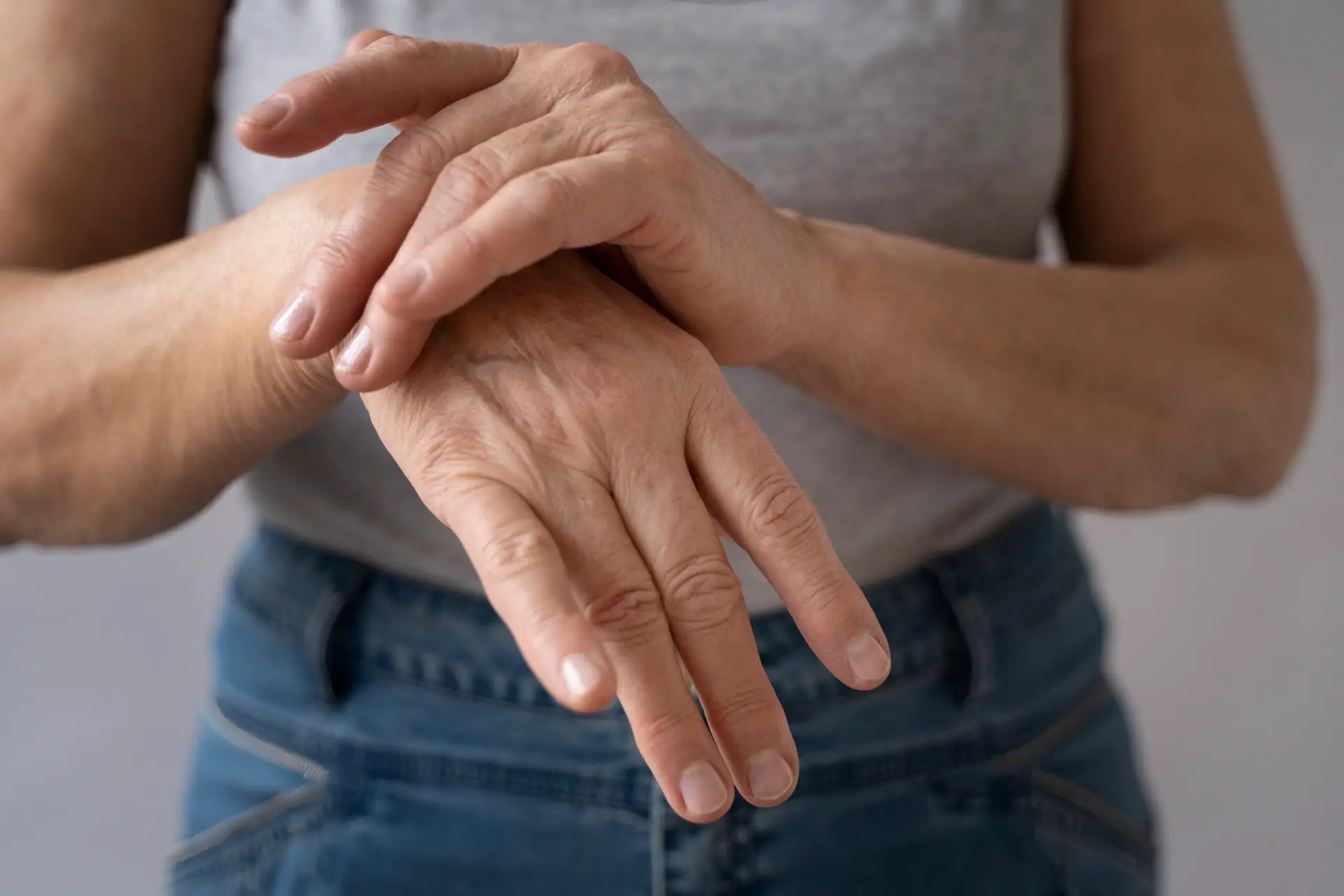
Dupuytren’s tends to get worse faster with age, especially if it starts before 40, with a family history of the condition, diabetes, smoking, heavy alcohol use, and repeated hand trauma or vibration. No single factor causes it alone, but managing these together may help slow progression and protect hand function.
Dupuytren’s disease is a progressive hand condition that often begins subtly, yet over time can interfere with everyday movement and hand function. Many people notice early changes in the palm but are unsure why the condition worsens faster in some individuals than in others.
Understanding what makes Dupuytren’s worse is important because progression is not always predictable. This article will inform you which health, lifestyle, and biological factors affect disease development. You will also learn when early medical advice can be beneficial.
Understanding Dupuytren’s Disease Progression
Dupuytren’s disease affects the connective tissue under the skin of the palm. This tissue thickens and shortens over time, limiting finger movement.
Although Dupuytren’s contracture is sometimes described as a gradual process, its development differs in different people. Some people experience slow changes over many years, while others notice more rapid worsening and finger tightening.
1. Genetic and Biological Factors That Influence Worsening
Dupuytren’s disease is strongly influenced by inherited traits and natural biological changes that affect connective tissue behaviour over time. Here are the key factors that can increase the likelihood of developing the condition and contribute to faster or more severe progression:
Family History and Ancestry
Genetics play a significant role in how Dupuytren’s develops and progresses. Individuals with Northern European ancestry often recognise the condition by its informal name, Viking finger, reflecting its strong genetic roots in that population. In some people, there may also be a link to ancient Neanderthal ancestry.
The presence of a close relative who has Dupuytren’s also raises the risk of developing the condition.
Age and Sex
Age is a major contributor to disease development and severity. Dupuytren’s typically appears after the age of 50 and tends to progress more steadily as connective tissue elasticity naturally declines over time.
It is more common in men than in women, and the earlier the condition begins in life, the more likely it is to progress. In particular, it may be more likely to get worse more quickly if it starts under the age of 40 years old.
2. Health Conditions Linked to Faster Progression
Some underlying health conditions have been identified as affecting the rate of Dupuytren’s disease development and how severe it ends up being. The following are the main medical conditions that produce an increased risk of more rapid progression to advanced disease:
Diabetes and Metabolic Health
It is always found that there is an increased prevalence of Dupuytren’s in diabetes. Lack of blood sugar control can affect the health of connective tissue, which becomes thicker and less elastic over time. It’s important that you control your diabetes as well as you can, as it may reduce the risk of Dupuytren’s getting worse.
Cardiovascular Health
The connection between the health of the hands and general health is of increasing interest. There are some studies indicating associations between Dupuytren’s contracture and heart disease. Much of this effect may be caused by common risk factors for heart and blood vessel health and tissue repair, such as smoking, alcohol, and diabetes.
It’s really important that you try to control your cardiovascular risk factors, such as stopping smoking, doing more exercise, and controlling your diabetes. This will help your general health but may also slow down Dupuytren’s.
Epilepsy and Neurological Conditions
Dupuytren’s has been linked to a high prevalence in epilepsy and in individuals using some forms of anti-seizure drugs in the long run. It may be caused by changes in the metabolism of the tissues and the long-term effects of the medicines.
3. Lifestyle Factors That Can Make Dupuytren’s Worse
Habits that a person engages in in their day-to-day lifestyle have a significant impact on the progression of Dupuytren’s disease in the long run. It is mainly for people with habits that affect blood circulation and tissue health. Lifestyle factors that have been identified to contribute to a greater progression or more severe symptoms are the following:
Smoking and Tobacco Exposure
There is a definite correlation between smoking and the rate of disease. Tobacco use is considered one of the strongest modifiable contributors to worsening Dupuytren’s and should be addressed early, where possible. It will also do wonders for your general health!
Alcohol Consumption
Drinking too much alcohol has also been associated with the development of various conditions. Investigations of Dupuytren’s alcohol patterns tend to indicate that with excessive and prolonged consumption, the chances of experiencing more severe cases of the condition rise. However, it’s important to understand that the less you drink, the less chance you have of your Dupuytren’s getting worse, so that even people who only drink moderate amounts can reduce their risk by reducing the amount of alcohol they drink.
4. Physical Stress and Hand Trauma
Mechanical stress and hand injury affect the progression of Dupuytren’s disease over time. This is especially true among people who already have a predisposition to develop Dupuytren’s. Some types of physical stress and trauma can cause symptoms or speed up the progression of the disease, which include:
Repetitive Hand Use
Jobs or hobbies that require repetitive gripping, pressure, or forceful hand movements are known to accelerate the onset of symptoms. Repetitive trauma to the palmar fascia may further thicken the tissue. So manual workers have an increased risk. Also, people who lift very heavy weights in the gym. And climbers also have an increased risk of worsening Dupuytren’s.
Workers who regularly use vibrating tools such as drills or machinery have an increased risk of the disease getting worse. And people who cycle a lot may have vibration in their hands due to gripping the handlebars.
It’s worth thinking about whether you can reduce your risk by wearing padded gloves or anti-vibration gloves for these activities.
Injury or Surgery to the Hand
Hand injuries or previous surgical procedures can sometimes trigger disease activity. Trauma may stimulate local tissue repair responses that worsen fibrous tissue formation. This particularly applies to surgery on the hand, such as carpal tunnel surgery or trigger finger surgery, as well as the trauma of breaking a bone in a finger or your wrist.
Diet and Inflammation Considerations
Diet is not the cause of Dupuytren’s contracture, but some patients ask about foods to avoid for Dupuytren’s contracture, particularly those that are linked to a lack of good metabolic control or systemic inflammation.
Overall, balanced nutrition to help maintain blood sugar levels and vascular health is reasonable as an element of a more global prevention strategy.
Recognising Early Warning Signs of Progression
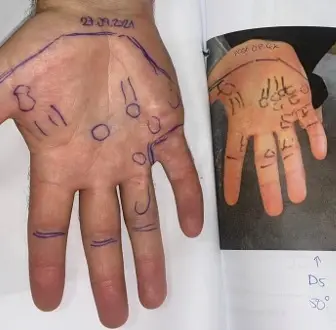
Noticing subtle changes early can make a significant difference. The early signs of Dupuytren’s often include small nodules, dimpling of the palm, or a feeling of tightness when placing the hand flat.
Following these changes gives the opportunity to evaluate and discuss treatment options in time before the emergence of contractures. If you notice your symptoms progressing, it may be time to explore Dupuytren’s disease diagnosis and treatment to understand your options.
Understanding Risk Patterns
The development of the disease does not rely on just one factor. Instead, severity is related to a mix of genetic background, health conditions, and lifestyle factors.
Clinicians often assess risk factors for Dupuytren’s contracture together to understand how aggressively the condition may behave over time. Understanding these patterns helps patients make informed choices about monitoring and intervention.
What You Can Do to Potentially Slow Progression
Although Dupuytren’s disease cannot be prevented entirely, certain steps may help slow its progression.
- Seek medical advice early to see if there is any medical treatment that could help.
- Manage diabetes and cardiovascular health carefully.
- Stop smoking to improve blood flow and overall health.
- Protect hands from repetitive trauma and excessive vibration.
- Reduce the amount of alcohol you drink.
Such measures contribute to general health and can impact the further development of the condition.
When to Seek Specialist Advice
Knowing the causes of Dupuytren’s contracture enables you to assess and develop an appropriate treatment plan at the appropriate stage. Early evaluation is needed if you see a lump, cord, or dimple in your palm, or if your fingers feel tight.
Conclusion
Dupuytren’s disease progresses differently for each individual, but genetics, age, health conditions, lifestyle habits, and hand stress all play important roles. By understanding what makes Dupuytren’s worse, patients can recognise progression earlier and take steps that support long-term hand function.
Frequently Asked Questions
What's the biggest factor in how quickly Dupuytren's gets worse?
There isn’t a single biggest factor. Progression depends on a mix of genetic background, health conditions such as diabetes, and lifestyle habits like smoking and alcohol use. Noticing the first signs before the age of 40 is also linked to faster progression.
Does smoking make Dupuytren's worse?
Yes. Smoking is considered one of the strongest modifiable contributors to Dupuytren’s getting worse, and stopping is likely to help both the condition and your general health.
Can diabetes make Dupuytren's contracture worse?
Diabetes is linked to a higher prevalence of Dupuytren’s, and poor blood sugar control can make connective tissue thicker and less elastic over time. Keeping diabetes well controlled may help reduce the risk of it getting worse.
Will cutting down on alcohol help my Dupuytren's?
It may. Heavy, prolonged alcohol use is linked to more severe cases, but even moderate drinkers can reduce their risk by cutting down.
Can an injury to my hand make Dupuytren's worse?
It’s possible. Hand and wrist injuries and some types of hand surgery, such as carpal tunnel or trigger finger surgery, can sometimes trigger tissue repair responses that worsen fibrous tissue formation.
Having concerns about changes in your hand, or would you like to explore early treatment options? Dr Richard Shaffer offers free consultation calls for patients with Dupuytren’s or Ledderhose disease, helping them determine whether radiotherapy is the right treatment option. Click here to request a callback.