What Happens After a Diagnosis of Dupuytren's Disease?

Being told that you have Dupuytren's contracture naturally leads to the next question:

What should I do about it?

The answer depends on several things, including whether the condition seems to be progressing, whether the fingers are still straight, and how much the disease is affecting your day-to-day activities.
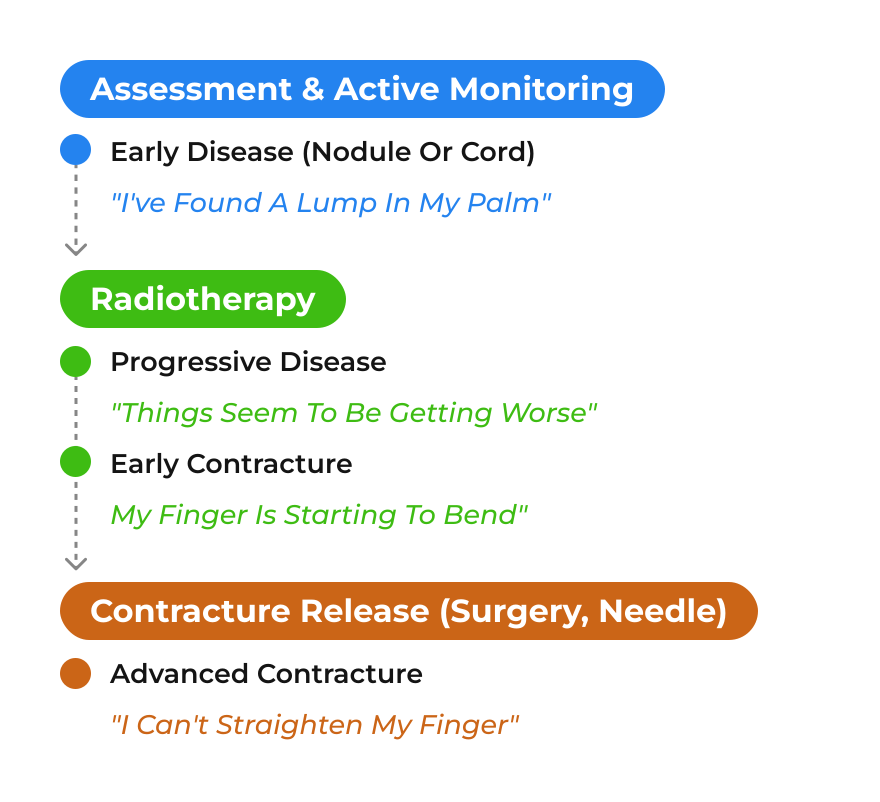
Some people just require active monitoring. Others may benefit from radiotherapy treatment, while more advanced contractures may need treatment with a needle procedure or surgery. Understanding where you sit in the disease journey is the key to choosing the most appropriate treatment.

How Is Dupuytren's Disease Diagnosed?

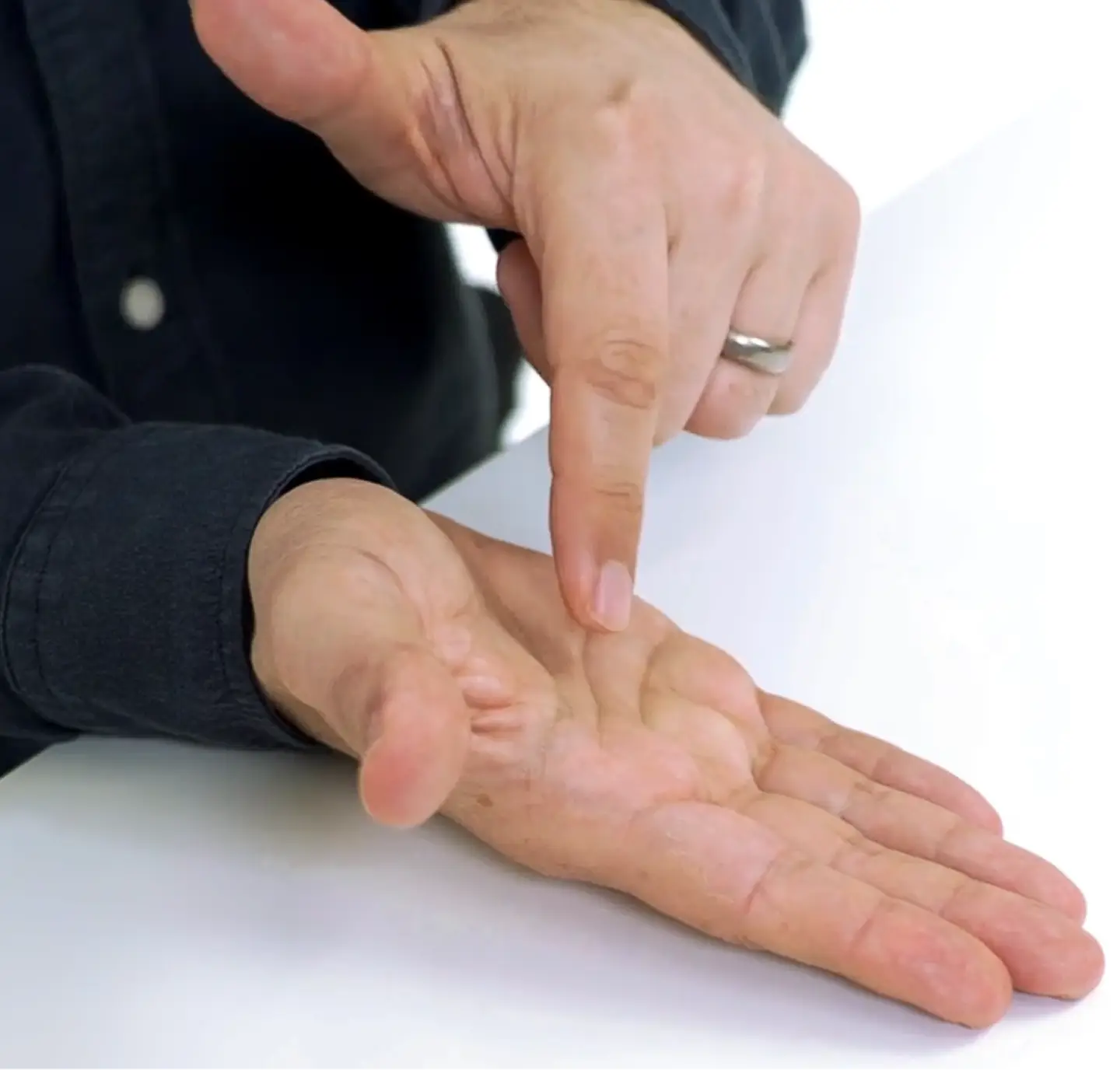
Diagnosis is usually straightforward. In most cases, an experienced clinician can diagnose Dupuytren's disease by examining the hand and assessing any nodules, cords or finger bending that may be present. Scans and blood tests are not normally required.

One of the most important parts of the assessment is determining not only what the hand looks like today, but whether the condition appears to be changing over time.

What Does "Progression" Mean?

Progression means that the disease appears to be becoming more active over time. Examples include:

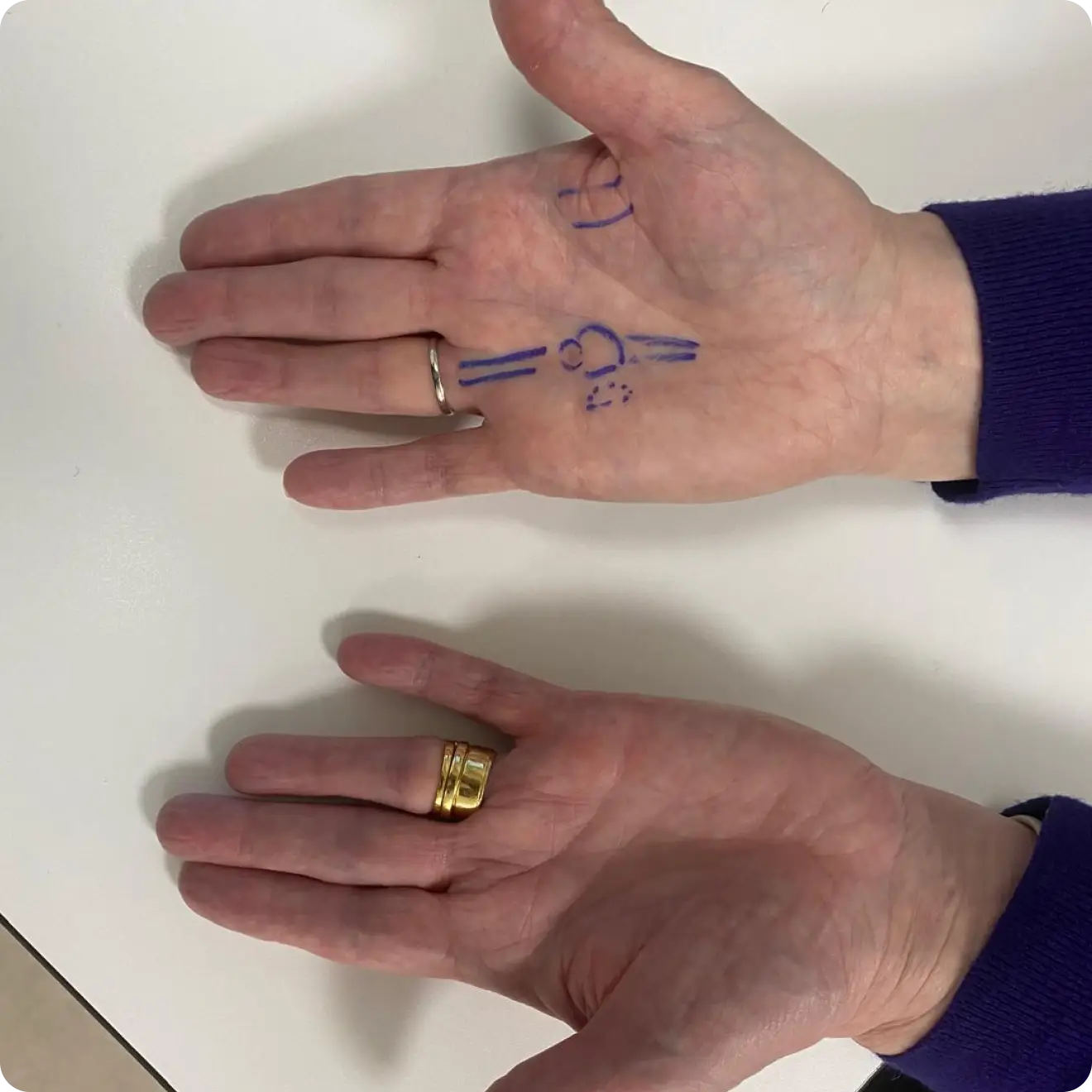
Because Dupuytren's disease often changes slowly, photographs taken several months apart may be helpful when assessing whether things are progressing.

How Are Treatment Decisions Made?

Treatment decisions are usually based on two key questions:

Is the disease progressing?

Is there a contracture?

The diagram below shows how different treatments typically fit into the Dupuytren's disease journey.

Not every patient follows exactly the same path, but the diagram provides a useful overview of how treatment decisions are usually approached.

Assessment And Active Monitoring

Not everybody who develops Dupuytren's disease requires immediate treatment.

For some patients, the best approach is to monitor the condition over time and see whether the condition is getting worse. We are looking for changes in:

Radiotherapy

Radiotherapy is primarily used for early progressive Dupuytren's disease. The aim is to keep things stable and to stop things getting worse. It’s not going to make the disease melt away and won’t straighten an already bent finger. Radiotherapy is typically considered when:

Nodules and/or cords are present

The disease appears to be progressing

Fingers remain fully straight or have only minor bending

Many patients choose radiotherapy because they hope to reduce the risk of developing a contracture and avoid more invasive treatments later.

Needle Aponeurotomy

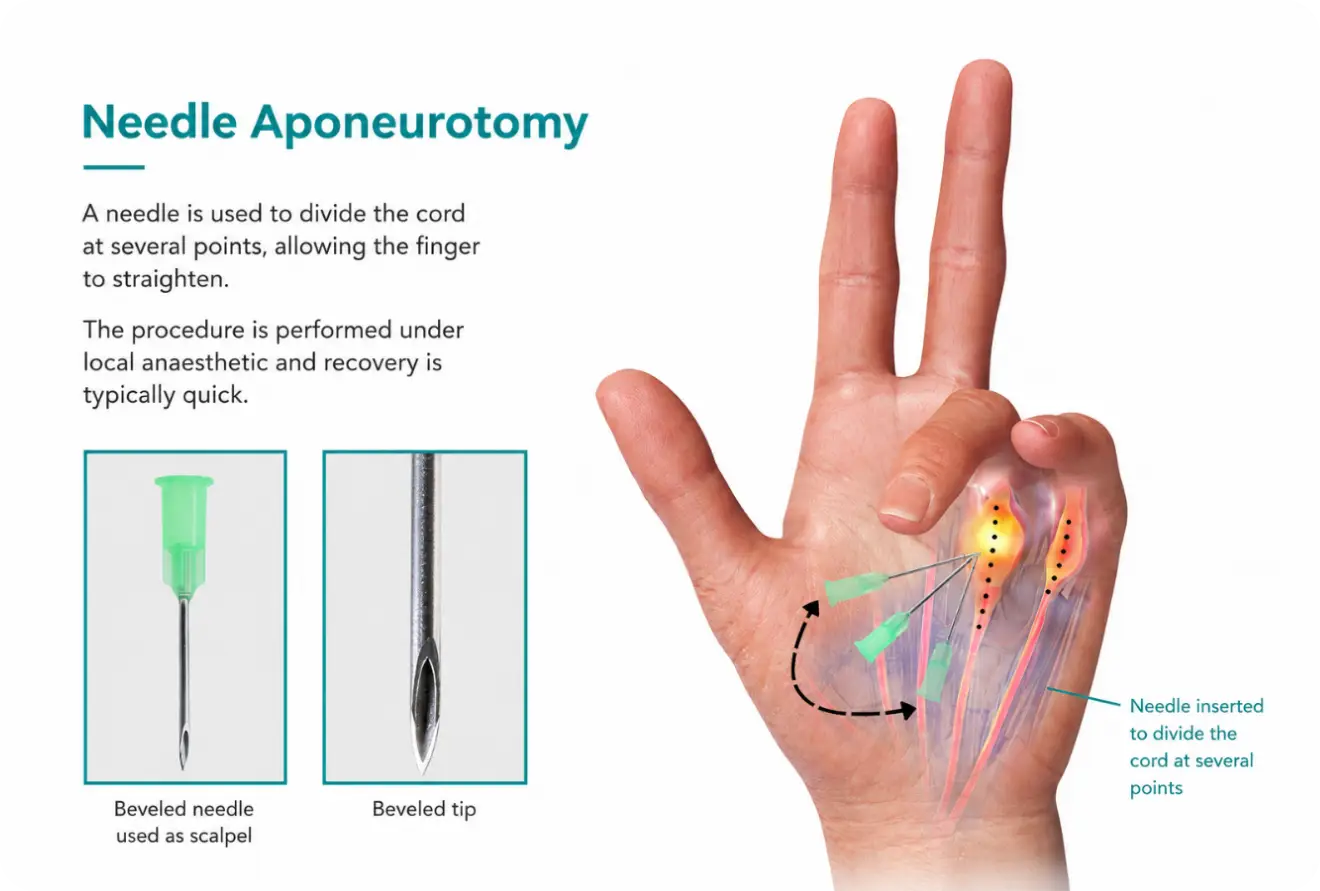
Needle aponeurotomy is a minimally invasive procedure used to release a cord that is causing finger bending. It can only be used if there’s a fairly thin cord causing the contracture, rather than bulky nodules.

A needle is used to weaken the cord at several points, allowing the finger to be straightened. The procedure is usually performed under local anaesthetic and recovery is typically quicker than after surgery.

However, needle aponeurotomy does not treat the underlying disease process and around 60% of people find that the contracture comes back after a few years.

Surgery

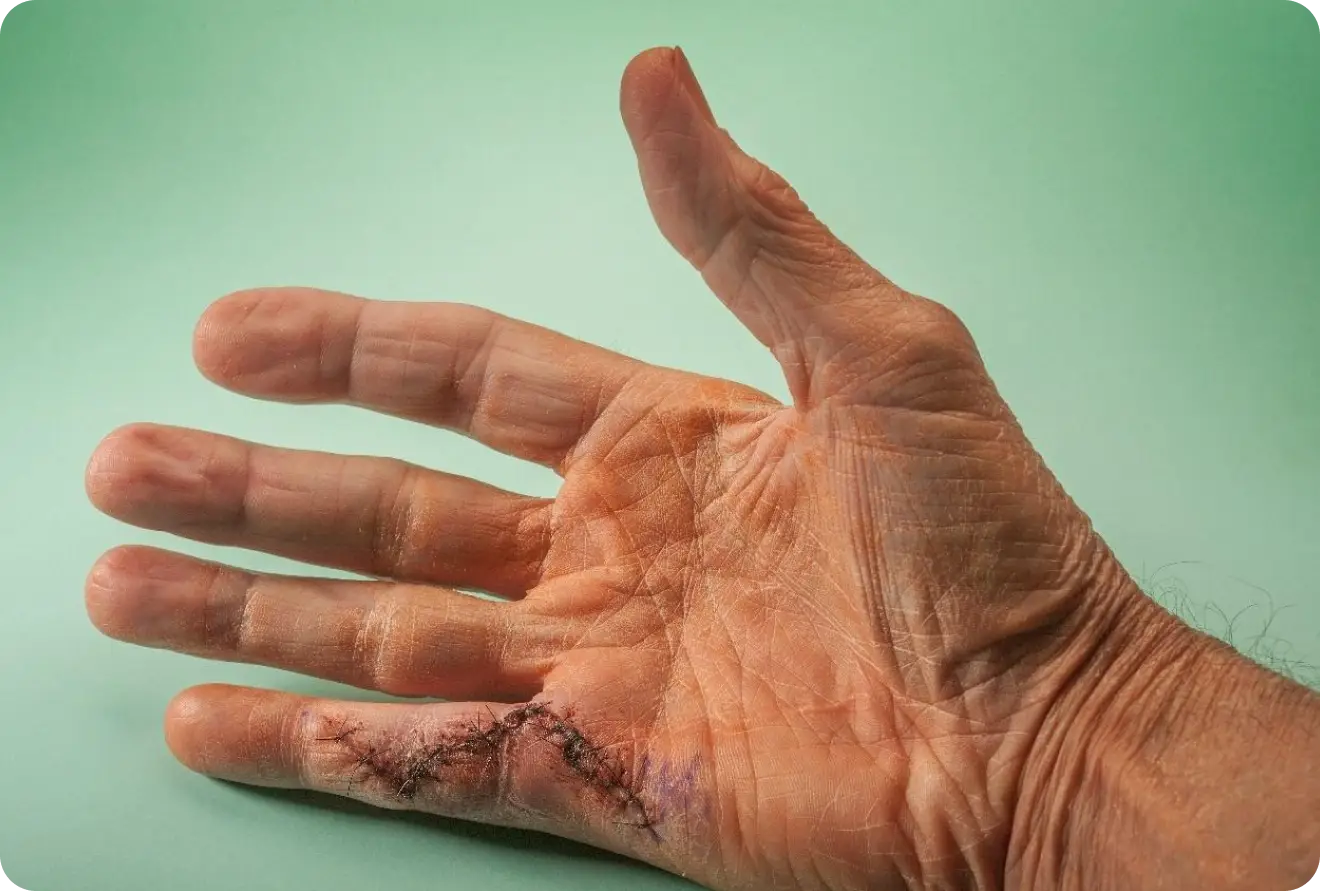
Surgery aims to remove or divide the nodules and cords that are preventing the finger from straightening. It can often produce good improvement in finger position, but it is also the most invasive treatment option, with various potential risks, and recovery takes around 6-8 weeks. It’s less likely that the contracture will return compared to a needle procedure.

Which Option Is Right For Me?

The best treatment for you depends on:

Whether the disease is getting worse

How much the finger is bent

Previous treatments

Your age

Your goals and preferences

The goal of having an assessment is to work out where you are in the Dupuytren's disease journey and which treatment options are likely to be best for you.

What Happens Next?

If you have recently been diagnosed with Dupuytren’s disease, or have noticed changes that concern you, an assessment can help clarify:

Have a quick question?

Concerned about Dupuytren's Contracture or Ledderhose Disease? Book in your free call with Dr Shaffer to discuss how we can help.