

Who Is Eligible For Radiotherapy?
In the short video below, Dr Richard Shaffer explains where radiotherapy typically fits within the Dupuytren's disease journey and which patients are most likely to benefit.
A Non-Surgical Treatment For Early Progressive Dupuytren's Disease
Radiotherapy is a non-invasive treatment that stops Dupuytren’s progressing and prevents the development of a contracture and the need for surgery.
The treatment is used when there are nodules and cords, the disease is getting worse, and the fingers are still able to fully straighten or have only minor bending.
Radiotherapy won’t straighten fingers that are already bent. Instead, radiotherapy reduces disease activity and lowers the likelihood of progression.
At Dupuytren's UK, Dr Richard Shaffer has treated more than 3000 patients with Dupuytren's disease and has by far the largest experience of radiotherapy for Dupuytren's disease in the UK.
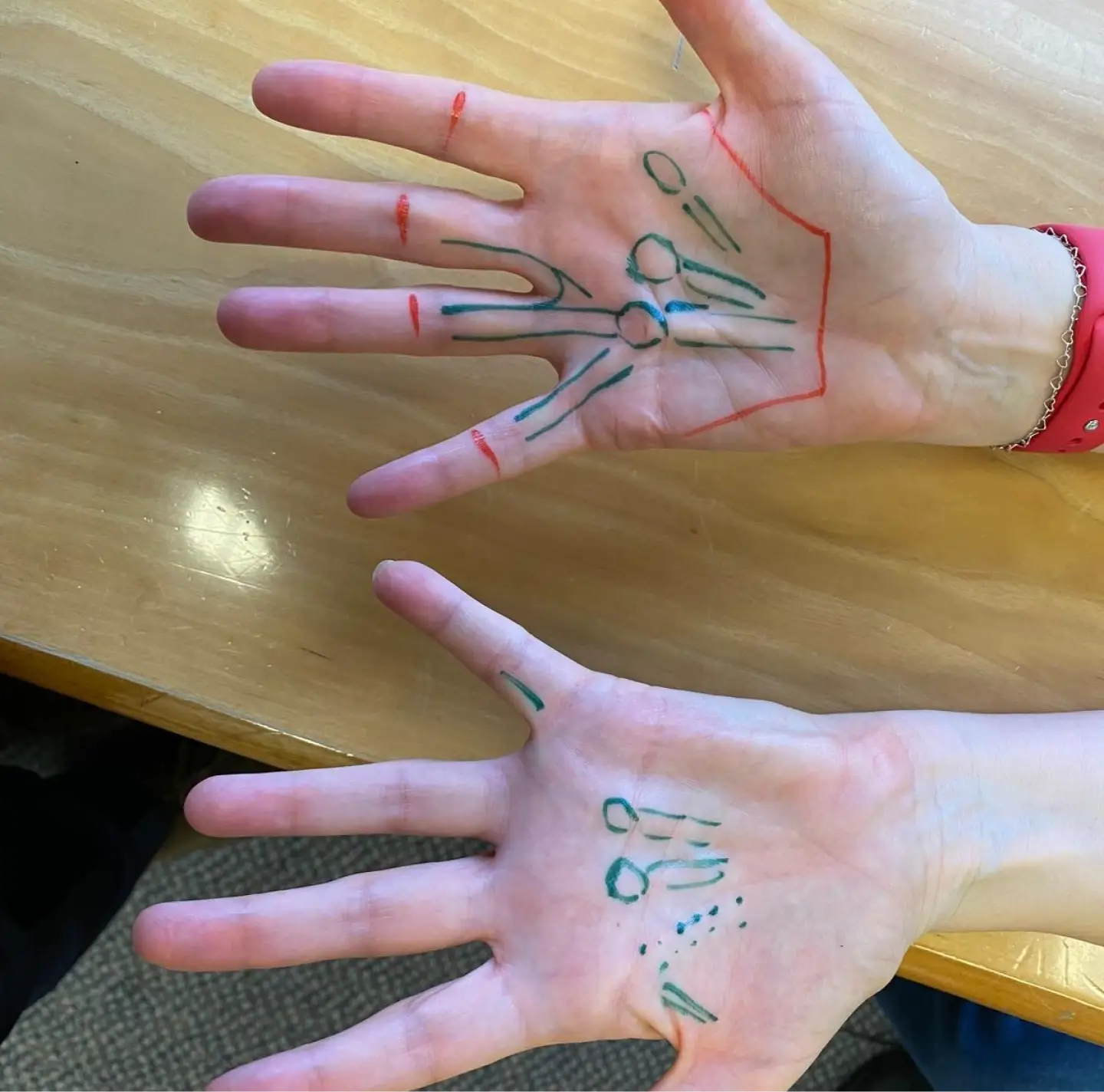
Radiotherapy is worth considering if:
Radiotherapy is most effective before a contracture develops.
If a finger is already bent to more than around 30 degrees, treatments such as needle aponeurotomy or surgery are more appropriate.
In the short video below, Dr Richard Shaffer explains where radiotherapy typically fits within the Dupuytren's disease journey and which patients are most likely to benefit.
Different treatments are typically used at different stages of Dupuytren's disease.
The diagram below shows where radiotherapy is most commonly considered.
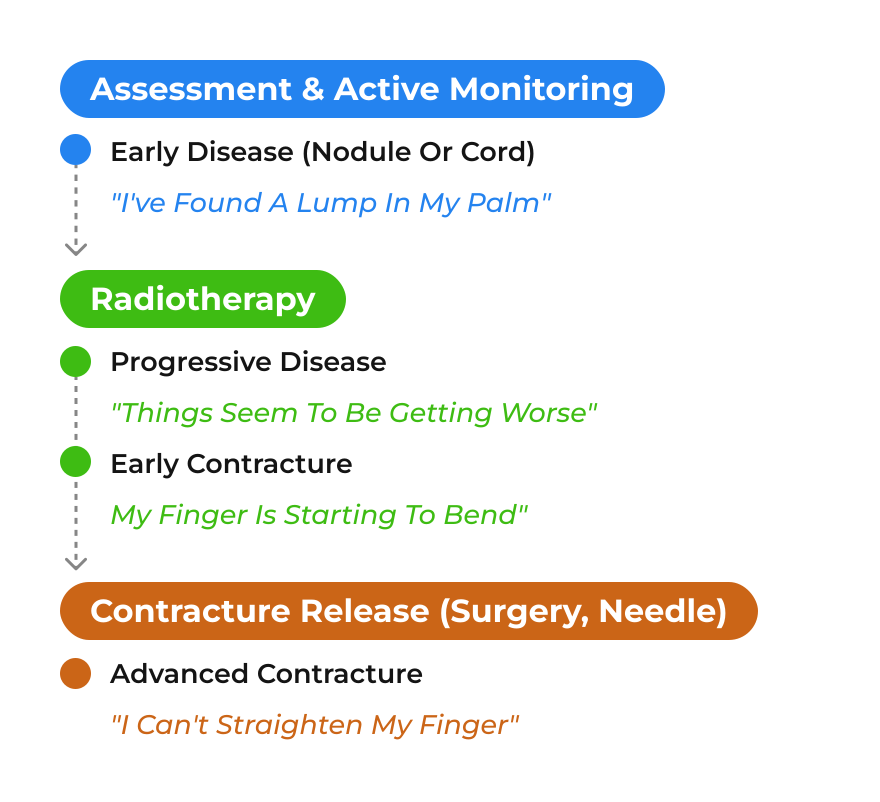
Radiotherapy is typically considered when the disease appears to be progressing and before a major contracture develops.
Radiotherapy has been used for Dupuytren's disease for many years and has been evaluated in several clinical studies.
The goal of treatment is not necessarily to make nodules disappear. Instead, the aim is to reduce disease activity and lower the likelihood of future progression.
In the video below, Dr Richard Shaffer explains what may happen when early progressive Dupuytren's disease is treated with radiotherapy compared with when it is left untreated.
One of the best-known long-term follow-up studies compared patients who received radiotherapy with patients who were observed without treatment.
| Outcomes At Eight Years | ||
|---|---|---|
| Outcome | No Radiotherapy | Radiotherapy |
| Improved or unchanged | 38% | 80% |
| Worsened | 62% | 20% |
| Required surgery | 30% | 8% |
A useful way to think about these results is that patients receiving radiotherapy were more than three times less likely to experience progression or require surgery.
Dupuytren's disease develops because cells within the tissue beneath the skin of the palm become overactive and produce excess scar tissue.
Radiotherapy appears to reduce the activity of these cells, helping to slow the processes responsible for nodule and cord formation.
The primary goal is to stabilise the disease.
Some patients notice that nodules soften over time, but the main aim is to reduce the likelihood of further progression.
Radiotherapy for Dupuytren's disease is usually delivered as two short treatment phases.
Each appointment usually takes around 10 minutes.
The radiotherapy itself takes less than a minute.
No anaesthetic is required and most patients continue their normal daily activities throughout treatment.
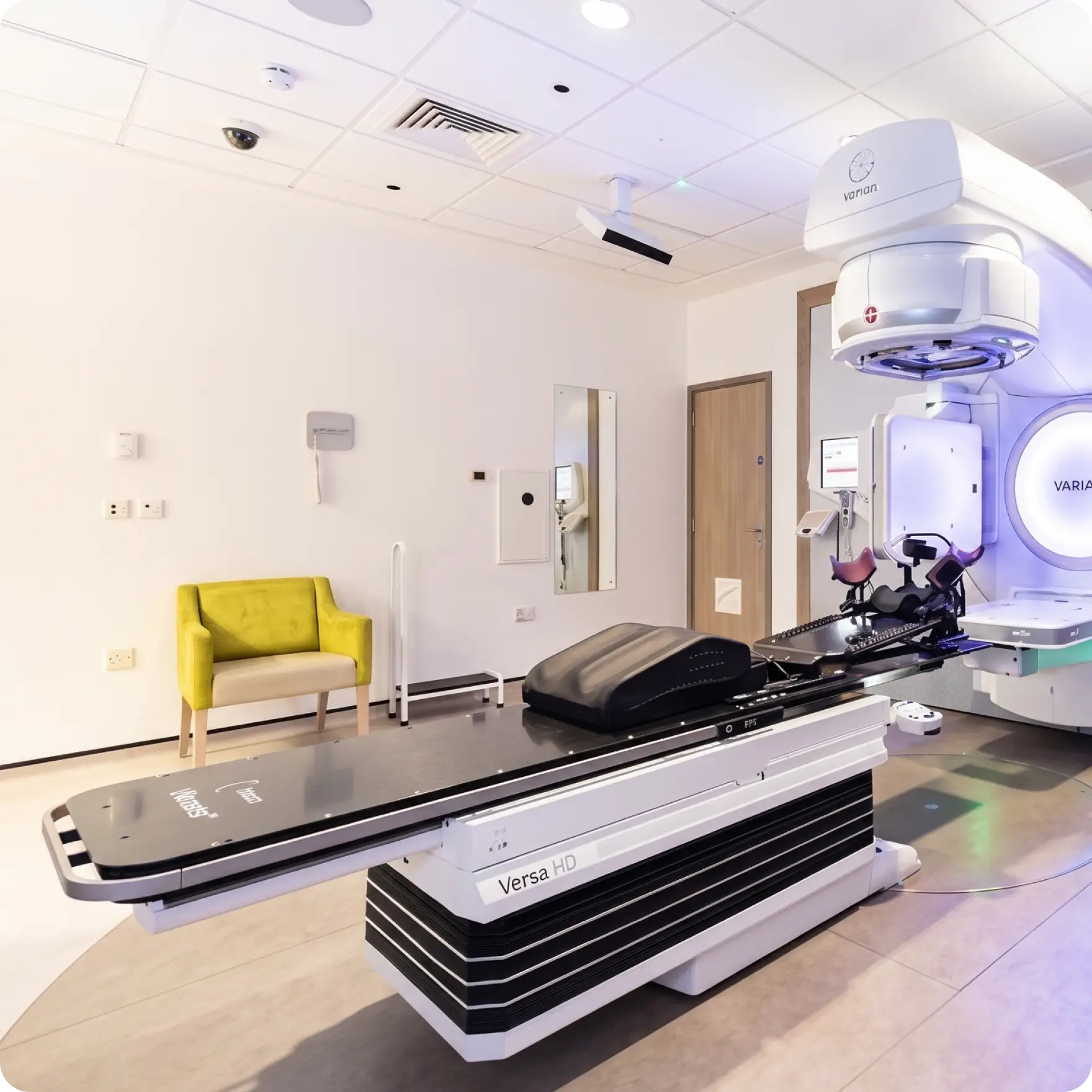
The first appointment involves much more than simply turning up for treatment.
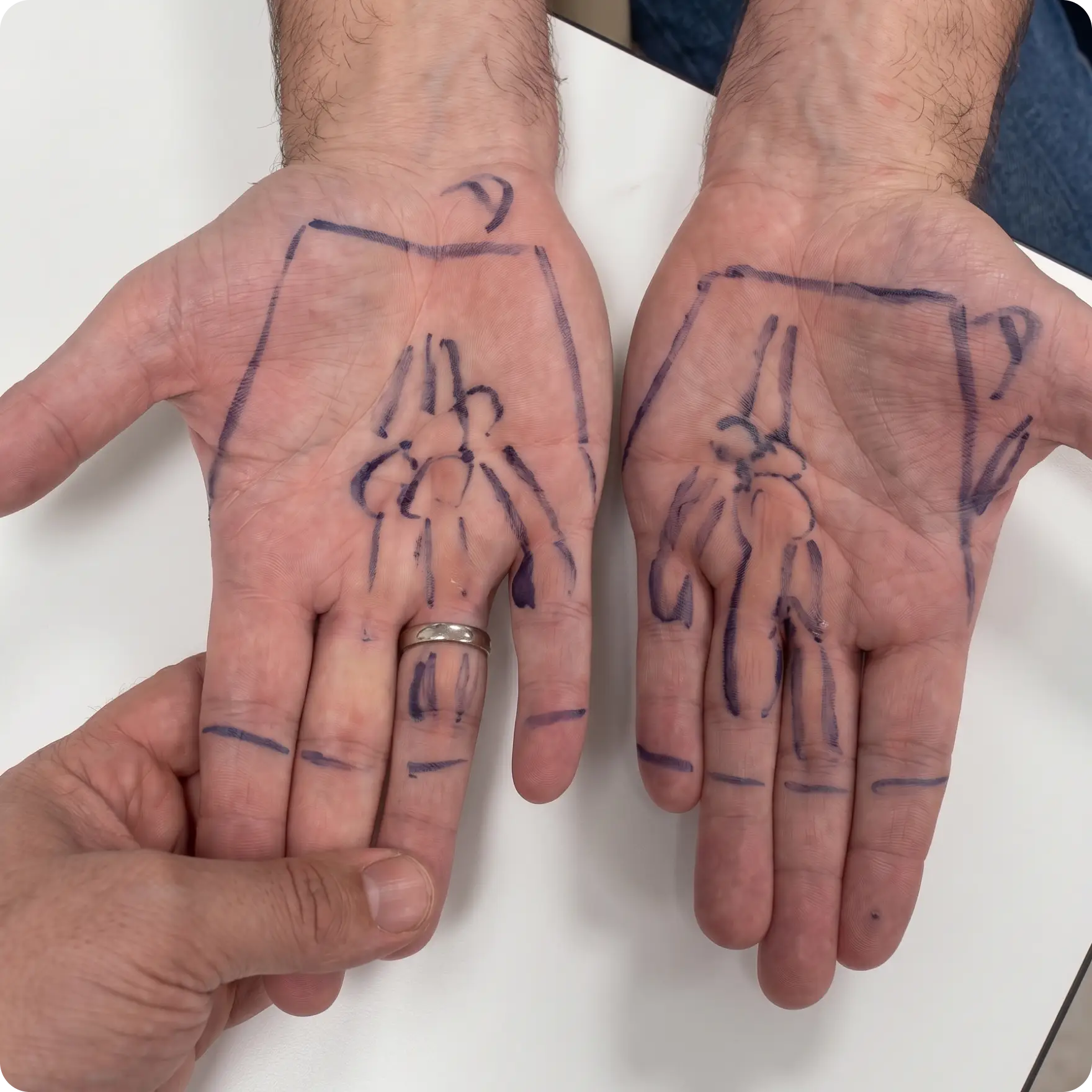
The consultation is used to confirm that radiotherapy is appropriate, discuss the benefits and risks, answer questions, and plan the treatment area.
If treatment is agreed, the nodules and cords are carefully identified and the area requiring treatment is marked.
A treatment field is then created to ensure the radiotherapy is delivered accurately.
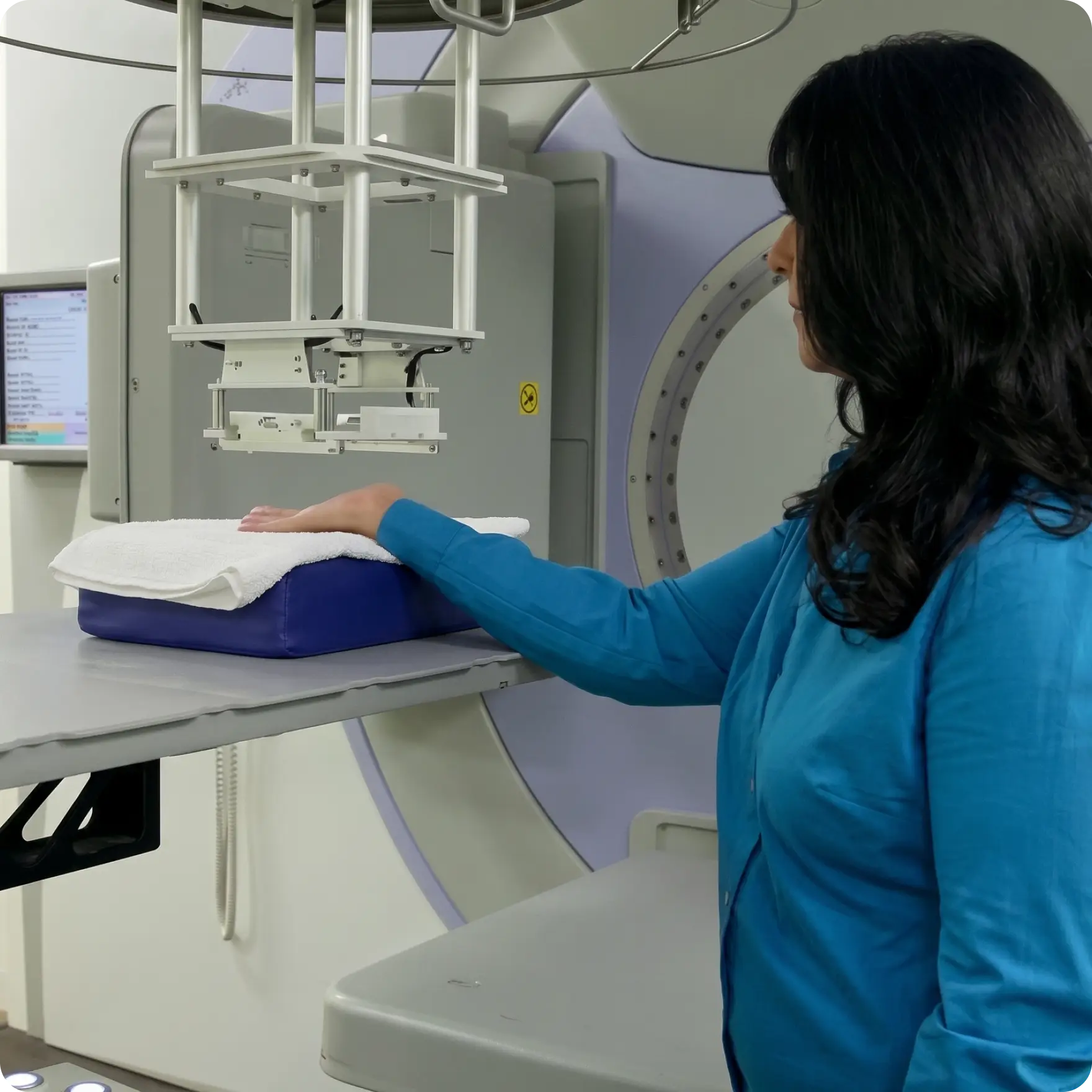
Treatment itself is straightforward.
You will be positioned comfortably with your hand resting in the treatment position.
The radiographer will check the treatment field and deliver the radiotherapy.
The treatment is painless.
You will not feel the radiation being delivered.
Most patients find the experience very similar to having an X-ray.
Radiotherapy is generally very well tolerated.
Some patients notice:
These effects are usually temporary and settle over the weeks following treatment.
Around one in five patients notices some ongoing dryness of the treated skin. Minor changes in skin texture can occasionally occur. Serious complications are uncommon.
One of the most common questions patients ask is whether radiotherapy could cause cancer.
The theoretical risk is considered very small because:
The estimated lifetime risk is generally quoted as being less than 1 in 1,000 and may be substantially lower.
This is discussed in detail during consultation so that patients can make an informed decision.
Radiotherapy treatment at Dupuytren’s UK is covered by most major private medical insurance providers and we also offer a range of self-pay options.
Your treatment at Dupuytren’s UK can be funded by a number of private medical insurance providers, including Bupa, Vitality and WPA. Other private medical insurance providers may fund your treatment on a case-by-case basis. All our services are available for patients who are looking to self-pay too. We accept a variety of payment methods and will provide you with a detailed quote for your treatment. If you’d like an estimate of the costs for your care, contact us through the “Contact” page.
Most patients are surprised to learn that radiotherapy can be used for Dupuytren's disease. One reason is that radiotherapy is typically used earlier in the disease process, whereas many patients first encounter healthcare services once finger bending has already developed. In the NHS, patients with early Dupuytren's disease are often monitored until a contracture develops. Treatments such as needle procedures and surgery are therefore much more widely recognised. Because radiotherapy is not routinely available within NHS Dupuytren's pathways, many patients only discover it when they begin researching treatment options themselves.
If you have noticed increasing nodules, thickening in the palm, new cords, or early finger tightening, an assessment can help determine whether radiotherapy may be appropriate.
The earlier progressive disease is identified, the more treatment options are usually available.
Concerned about Dupuytren's Contracture or Ledderhose Disease? Book your free call to discuss how we can help.


