Surgery and radiotherapy treat Dupuytren’s contracture at different stages of the disease. Surgery corrects established finger contractures, while radiotherapy is most effective early, helping slow progression and reduce the risk of contracture. Understanding timing, benefits, and limitations helps patients choose the most suitable treatment path.


People with Dupuytren’s disease are often concerned about what problems it is likely to cause them and what they can do about it at each stage. The main issue with this condition is that the fingers can develop a fixed bending (contracture) over the time, so that the fingers can’t be straightened properly, and people worry whether this will mean that everyday tasks will start to feel more difficult. Exploring treatment options early can significantly maintain and improve long-term hand function and overall quality of life.
In this article, we’ll compare surgery and radiotherapy for Dupuytren’s contracture, discussing their effectiveness, advantages and limitations. We’ll also look at how the stage of the disease can influence treatment selection, helping you have a more informed and productive conversation with your specialist.
Understanding How Dupuytren's Contracture Progresses
Dupuytren’s contracture tends not to be a painful condition, although you may some tenderness when you put pressure on the nodules. However, the tightness of the fingers can gradually become more noticeable over time. To better understand how the condition develops and advances, it helps to look at what happens beneath the surface as the disease progresses.
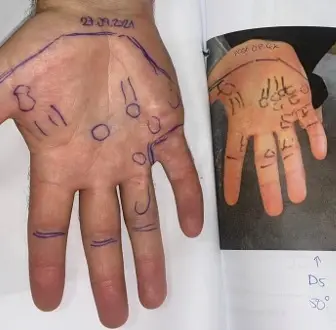
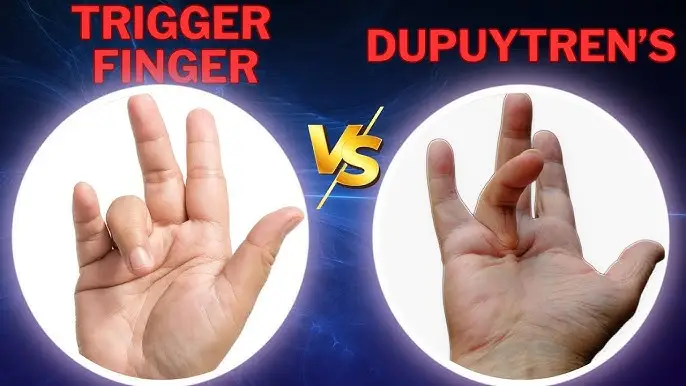
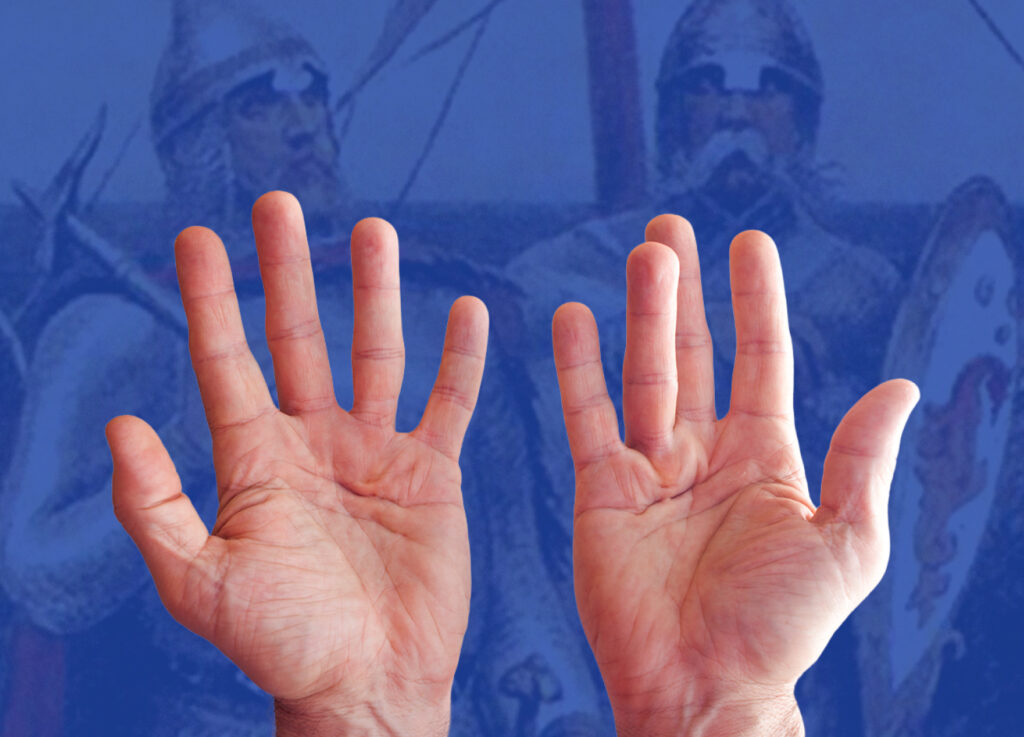
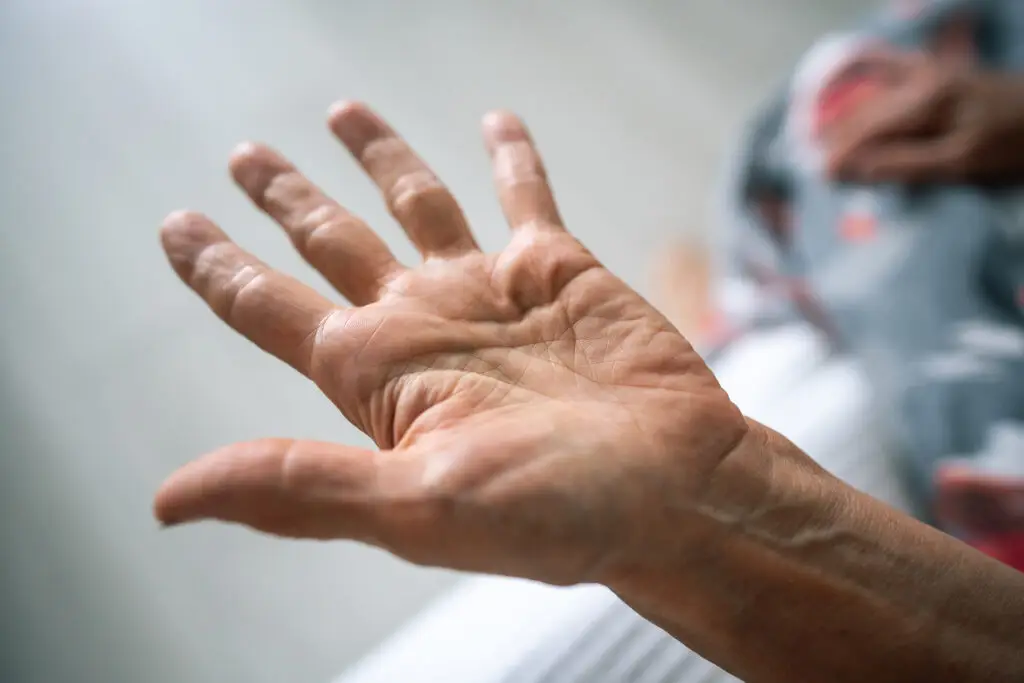
The speed and extent of progression of Dupuytren’s disease can vary greatly from person to person. The initial signs in Dupuytren’s disease are firm lumps (nodules) beneath the skin of the palm. Then, lines form called “cords” that extend in line with the tendons towards the wrist or into the fingers. Over the course of months or years, these cords may shorten and tighten, restricting the ability to fully straighten the fingers.
Not everyone develops a fixed bending (contracture) of the fingers, with some people finding that the condition remains stable for many years, whereas others notice a quicker progress with the development of finger contractures. It’s important to get good advice about whether you need treatment at all, and if so, what sort of treatment. Patients should understand the full range of treatments for Dupuytren’s disease before deciding between surgery and radiotherapy.
Overview of Treatment Approaches
A range of treatment options is available, depending on the severity of the condition. The most suitable treatment for Dupuytren’s contracture depends on factors such as the extent of disease, how it is changing over time, finger mobility and other symptoms.
During the early stage, the disease is typically quite active, but the fingers remain about to straighten or almost straighten, and the idea of treatment is to stop things getting worse and forming a contracture, so preventing the need for surgery.
In contrast, the later stage is marked by fixed contractures that limit hand use. At that point, there is a mechanical problem that needs a mechanical solution, in other words, the contracture needs to be released with some sort of surgical or needle technique. Understanding which stage you are in is crucial, as it helps determine the most appropriate treatment plan.
Surgical Treatment Options
Surgery is typically recommended when finger bending becomes more noticeable and begins to interfere with daily activities. Often, this happens somewhere between 30 degrees and 50 degrees of contracture. Several surgical techniques can be used to free tight cords and to restore the movement of the fingers.
The standard treatment is a fasciectomy, where the skin is opened, and diseased tissue is removed to release the contracture in order to straighten the finger. It’s an effective treatment in most (around 80%) of patients, but it is quite invasive, has a long rehab time (e.g. 6-8 weeks) with dressings, hand therapy and splinting. There are also significant risks involved, including scar healing problems and infection. Additionally, the surgery doesn’t always result in a fully straight finger, even after a “successful” operation, particularly when there is a high degree of contracture before the surgery.
Using a needle to release the contracture is also called a needle aponeurotomy or a needle fasciotomy. It is a much less invasive technique and involves using a small needle put through the skin to release the cord. The recovery time is much less than with the full surgery (fasciectomy), but there is a much higher risk of the contracture returning within a few years of around 60%. Also, not everyone is suitable for a needle – it’s only if you have a thin cord that is accessible to a needle that you would be considered for this treatment.
Radiotherapy as a Treatment Option
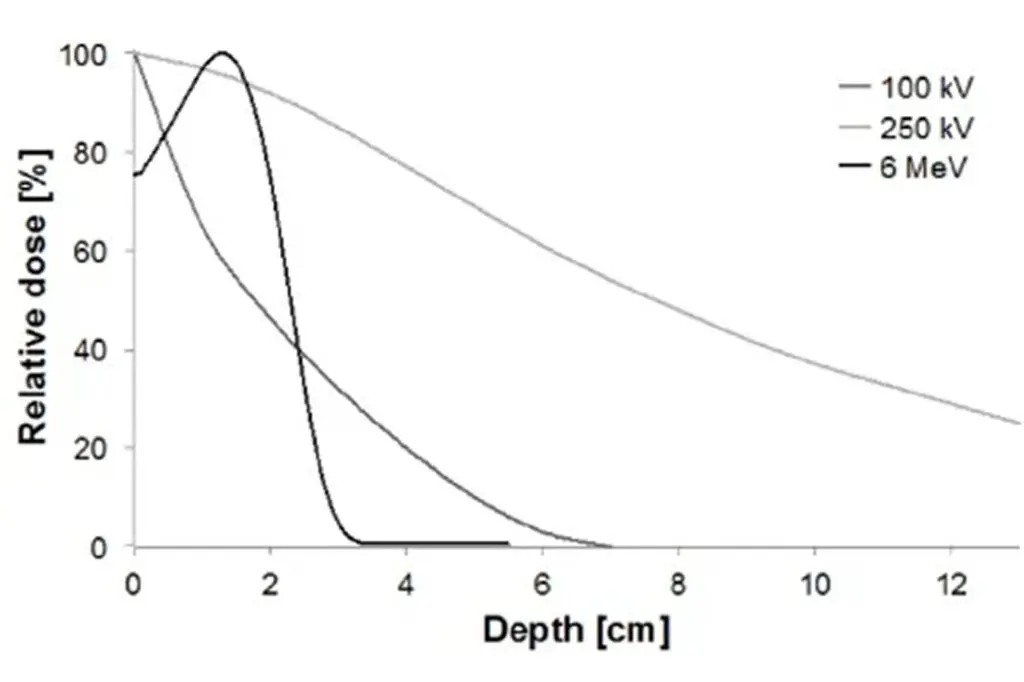
Unlike surgery, radiotherapy provides a completely non‑invasive option for managing active Dupuytren’s disease. It serves a different purpose and is used at a different stage of the condition. Rather than correcting finger position, radiotherapy targets the biological process that causes tissue thickening. By applying low‑dose radiation, it reduces the activity of the cells responsible for fibrosis. The goal is to control the disease and to stop it from getting worse, not to mechanically straighten the fingers. In early-stage disease, radiotherapy for Dupuytren’s contracture may help slow progression and reduce the likelihood of future surgery.
Radiotherapy is most effective during the early, active phase of Dupuytren’s disease, when nodules or cords have developed, but the fingers are still straight (or near to straight, within around 20 degrees). The aim is to slow or prevent the formation of fixed contractures. Many patients also report an improvement in other symptoms, such as the size and tenderness of the nodules and finger tightness.
As a non‑invasive treatment, there are no needles, scalpels or anaesthetics used in radiotherapy. You also won’t need dressings, wound care, splinting or rehabilitation. Long‑term studies indicate that it is safe and well‑tolerated when administered appropriately1. However, its effectiveness is less certain once significant finger bending (more than about 20 degrees) has already occurred.
Expert Non-Invasive Treatment for Dupuytren’s and Ledderhose Disease Across the UK
Dr Richard Shaffer set up Dupuytren’s UK in April 2011 to provide non-invasive treatments for people who suffer from benign conditions such as Ledderhose disease and early-stage Dupuytren’s contracture in the Guildford area. Today, Dupuytren’s UK offers this service to patients throughout the UK.

Comparing Surgery and Radiotherapy
Although both treatments are used in Dupuytren’s disease, they are not used in the same way. The choice is based on timing, the activity of the disease and the aims of treatment. When you choose between surgery and radiotherapy for Dupuytren’s contracture, timing is the most important factor. Radiotherapy is preventative and most useful in the early stages, whereas surgery is corrective and in the later stages. Choosing the wrong option at the wrong stage can limit potential benefit.
Surgery addresses the physical contracture but does not alter the underlying disease process. Radiotherapy has a biological activity on the cells that form the Dupuytren’s nodules and cords and in this way stops it getting worse and stops it forming a contracture in the first place. This is the key difference when considering the long-term results.
Recovery and Long-Term Outcomes
With surgery, splinting, wound care and hand therapy are part of the recovery process, as the early post-operative stages are typically marked by swelling and stiffness. Healing can take several weeks or even months, depending on the type of procedure performed.
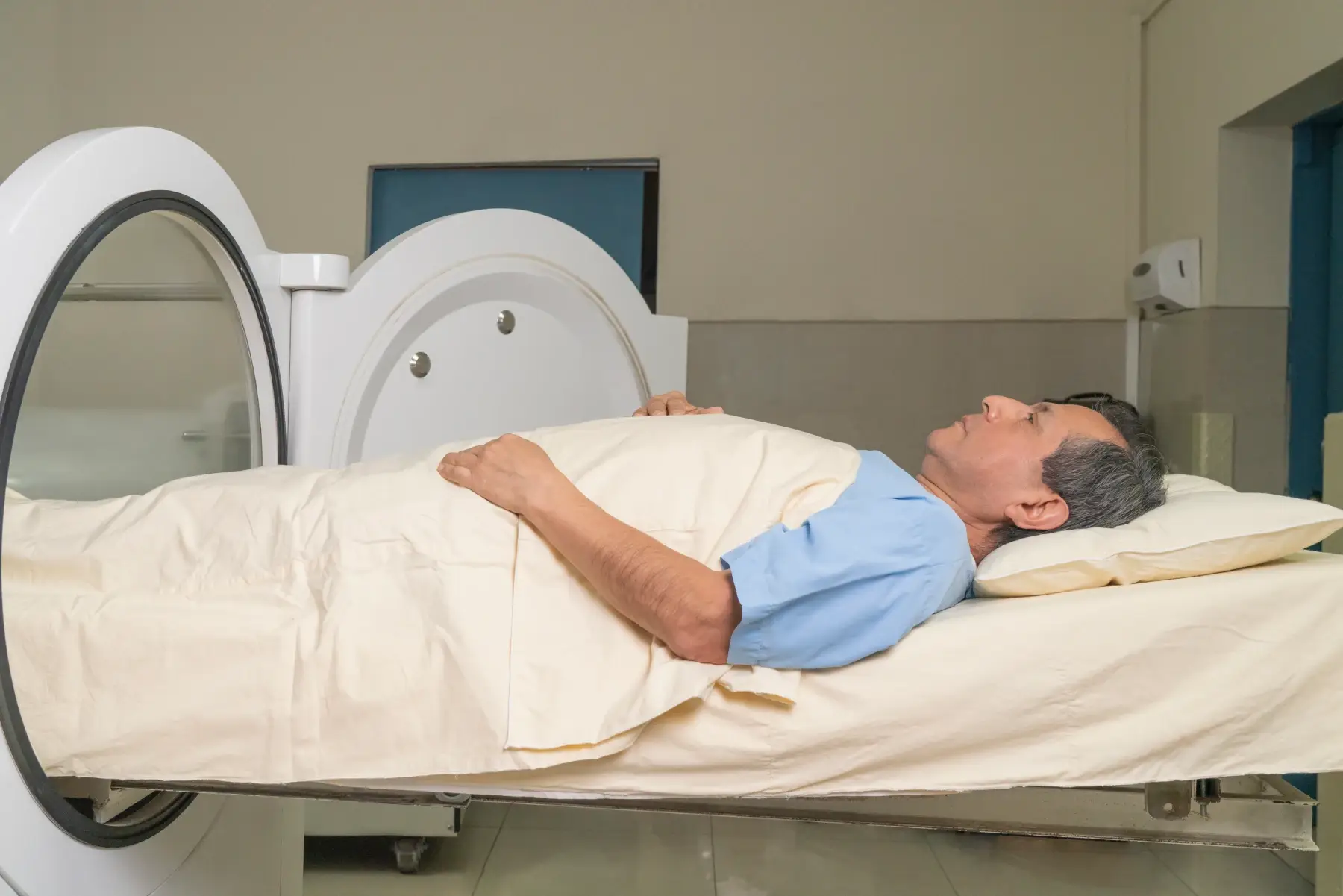
Radiotherapy, by contrast, allows patients to continue their normal daily activities throughout treatment. It is painless, involves no incisions, and requires no recovery time. Follow‑up focuses on monitoring disease stability rather than post‑surgical healing.
Combined and Emerging Approaches
There is increasing research interest in combining different treatments to improve outcomes and reduce recurrence. Studies are exploring the potential use of post‑surgical radiotherapy to lower the risk of the disease returning2. Early findings suggest that radiotherapy following a fasciectomy or needle procedure is safe and may offer added benefits. This combined approach continues to be an area of active research.
There is also no problem with having surgery after radiotherapy, as radiotherapy for Dupuytren’s does not affect the safety or effectiveness of future Dupuytren’s surgery.
Choosing the Most Suitable Treatment Path
The choice of appropriate treatment usually involves considering the current situation and how things are changing over time.
The most suitable treatment for Dupuytren’s disease is based on a number of factors, which include:
- Degree of finger bending
- The rate of development of the disease
- Symptoms such as tenderness or pain
- Past treatment and relapse
- Age, family history and aggravating factors
Consulting a Dupuytren’s contracture specialist can help assess the extent and activity of your disease, including finger flexibility and work out the risk of the disease getting worse over time.
This will enable your clinician to recommend the most appropriate treatment for your specific condition.
As mentioned above, established contractures are generally best treated surgically, as surgery can restore hand function, though it does involve recovery time and a potential risk of recurrence. Radiotherapy, on the other hand, is most effective in the early stages, helping to slow disease progression and reducing the likelihood of needing surgery later on.
At Dupuytren’s UK, Dr Shaffer specialises in treating Dupuytren’s contracture using radiotherapy. If you’d like to learn more about how radiotherapy works in managing this condition or to find out whether it may be a suitable treatment option for you, please contact us.
- Betz N, Ott OJ, Adamietz B, Sauer R, Fietkau R, Keilholz L. Radiotherapy in early‑stage Dupuytren’s contracture: long‑term results after 13 years. Strahlenther Onkol. 2010;186(2):82‑90.
- Shaffer R, Seegenschmiedt MH, et al. Treatment of Dupuytren’s disease with post‑interventional radiotherapy after needle fasciotomy, collagenase injection or limited fasciectomy: a retrospective cohort study. Int J Radiat Oncol Biol Phys. 2022.