Musicians place extraordinary demands on their hands. In Dupuytren’s disease, even subtle changes in hand span or control can have outsized effects on performance. This article explains why timing matters, why musicians notice problems earlier, and how early, carefully chosen treatment can help preserve function before irreversible loss occurs.


I play the piano, and music was central to my life growing up. The idea that I might one day have to give it up because of a hand condition would have been devastating. That perspective has stayed with me, and it shapes how I think about musicians in clinic.
To play a musical instrument at a high standard demands far more from the hands than everyday life ever does. Coordination, speed, strength, accuracy, span, fingertip sensitivity, endurance, and freedom from pain are all required simultaneously and consistently. Most non-musicians can tolerate minor stiffness or subtle weakness and simply adjust their activities. A musician cannot. Even small changes that would barely register in daily life can become significant when you are practising for hours each day or performing at a high level.
Where Dupuytren’s Fits In
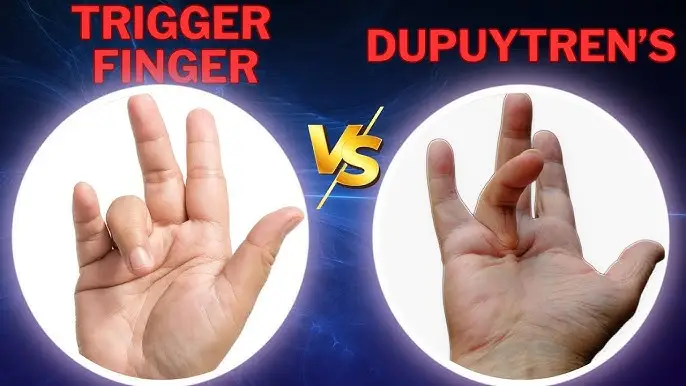
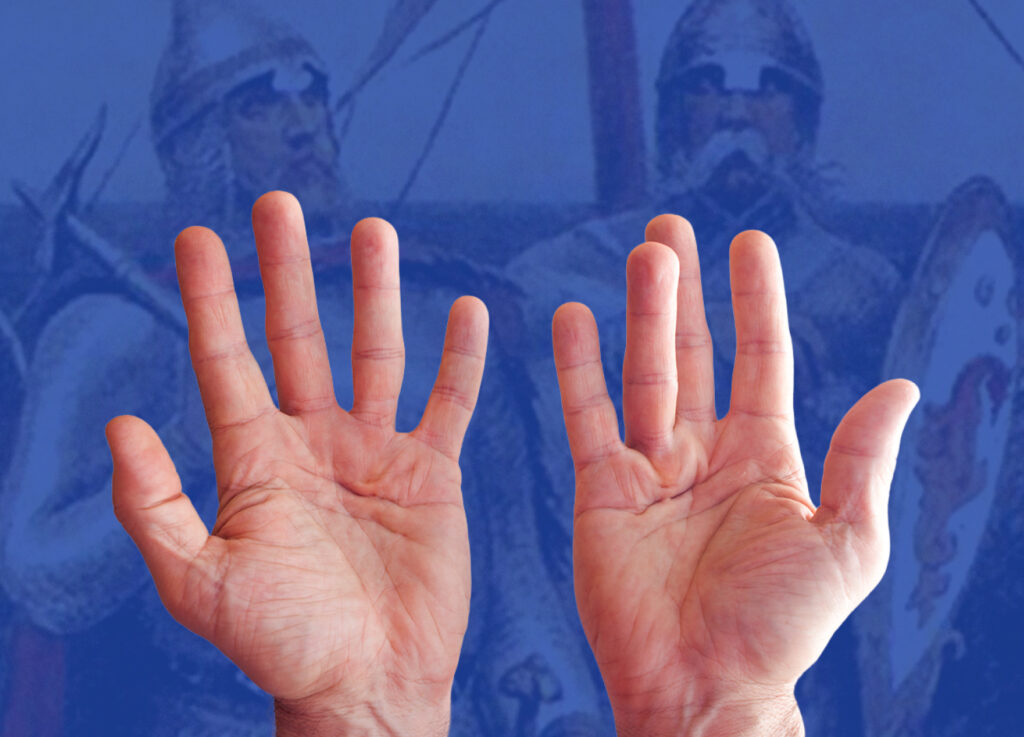
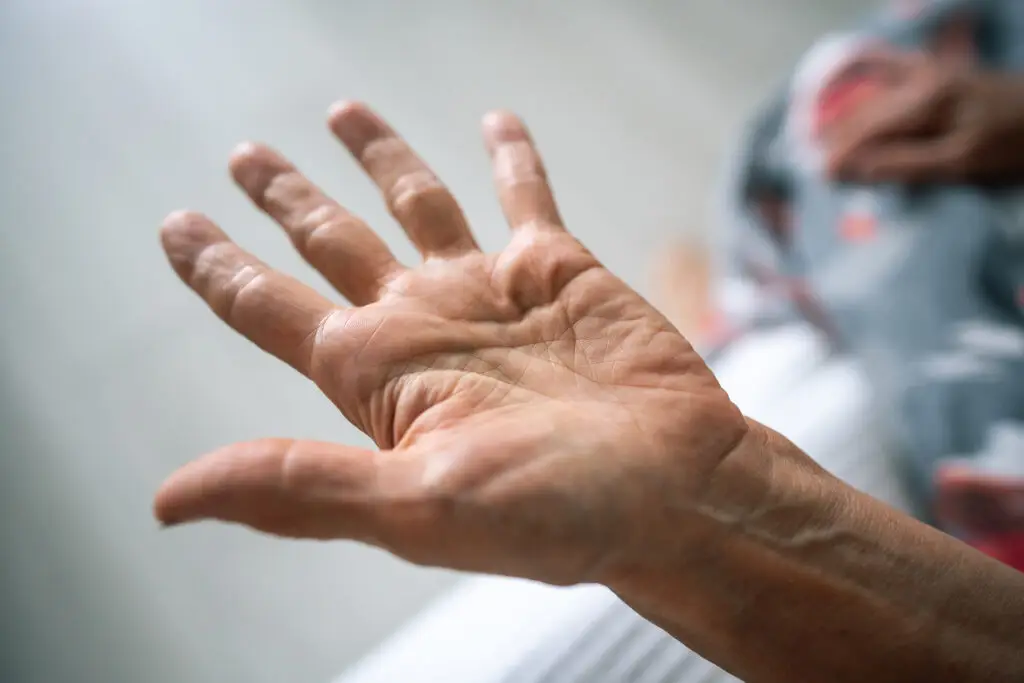
Dupuytren’s disease affects the connective tissue in the palm and can lead to nodules, cords, loss of finger extension, reduction in span, and tenderness. In the general population, early Dupuytren’s may not interfere meaningfully with daily activities for years. Musicians, however, often notice changes much earlier – not because their disease is more severe, but because the demands placed on their hands are far greater.
Why Hand and Finger Span Matters So Much
Take the piano as an example. Every pianist needs to reach an octave comfortably. Many can reach a ninth; some can reach a tenth or more – which becomes important in repertoire such as Rachmaninoff or stride piano, where wide intervals are integral to the music.
Technically, large intervals can be broken or “rolled” if span reduces, but that alters the interpretation and technique. It changes phrasing, timing, and sometimes the character of the piece itself.
More subtly, even if you can still physically reach an octave, a small reduction in span alters your internal calibration. After decades of playing, your brain has built a precise expectation of where each finger will land. If the geometry of the hand shifts, even slightly, accuracy may suffer. You may begin to miss notes you would previously have struck cleanly – not because your coordination has diminished, but because the distances have changed.
Dupuytren’s most obviously affects span, but it may also influence accuracy, strength, control, and tenderness. These effects are often modest in anatomical terms. Yet even a modest change can significantly affect function in someone whose performance depends on precision.
Expert Non-Invasive Treatment for Dupuytren’s and Ledderhose Disease Across the UK
Dr Richard Shaffer set up Dupuytren’s UK in April 2011 to provide non-invasive treatments for people who suffer from benign conditions such as Ledderhose disease and early-stage Dupuytren’s contracture in the Guildford area. Today, Dupuytren’s UK offers this service to patients throughout the UK.

The Functional Threshold Is Different
In the general population, treatment decisions are usually guided by progression and clear functional impairment. Many people live comfortably with early Dupuytren’s without intervention.
Musicians reach that decision point earlier. The same degree of anatomical change carries greater practical consequences. Waiting until function has clearly deteriorated may mean that some of that function is no longer fully recoverable.
The aim in managing Dupuytren’s disease – in any patient – is to achieve stability. If progression can be halted, treatment has been successful. In a significant proportion of patients treated early with radiotherapy, some regression can also occur, but stability remains the benchmark.
For a musician who needs to preserve near-full function, maintaining that level often means considering treatment before measurable loss of span or extension has occurred.
How I Approach Treatment Timing
In non-musicians, I generally observe early nodules or mild disease unless there is clear progression, significant tenderness, or subtle but definite functional impact. I use a structured observation programme when patients are in a watch-and-wait phase. That includes documenting baseline findings carefully, explaining exactly what changes to look out for, reviewing at defined intervals, and ensuring patients understand the window during which early treatment is most effective. The goal is not to miss progression by accident.
The principles are the same in musicians – progression matters, function matters – but the threshold at which those factors become meaningful is lower. If there is documented progression over six to twelve months, increasing nodularity, development of a cord, or early impact on span or control, I am more inclined to act sooner in a musician than I might in someone whose occupational and recreational demands are less exacting.
The objective is simple: preserve function while it is still fully usable.
The Broader Hand Health of Musicians
Musicians may also present with other issues affecting the hand, elbow, or shoulder. Tendinitis, tennis elbow, shoulder pain, trigger fingers, and other overuse problems can coexist with early Dupuytren’s disease. In this population, management must be as minimally disruptive as possible.
A surgical intervention that puts someone out of action for weeks, or prevents them from practising at full capacity, may be unacceptable for a professional performer. For that reason, less invasive strategies – including steroid injections, needle techniques, and radiotherapy treatment – are often considered first, depending on the situation.
Medical treatment is sometimes only part of the solution. In specialist musicians’ hand clinics, technique assessment is often integrated into management. Small adjustments in how an instrument is held or approached can reduce mechanical stress and tenderness. This is no different in principle from how we manage other conditions: when treating plantar fasciitis, for example, radiotherapy may reduce pain, but physiotherapy, gait assessment, and orthotics often form part of a rounded approach. Treating the tissue and addressing mechanics go hand in hand.
Preserving What Matters
For musicians, Dupuytren’s disease carries a disproportionate impact. The condition may appear anatomically mild, yet functionally significant.
In many surgical settings, intervention is considered only once there is contracture – when a finger cannot be straightened or the hand cannot be placed flat on a table. In primary care, patients are often told to return when their fingers are visibly bent. By that stage, meaningful structural change has already occurred.
As a specialist in early Dupuytren’s disease, I work at a different point in the timeline. Musicians, in particular, often need assessment and discussion at a much earlier stage – when nodules are developing or subtle changes are emerging, but before irreversible loss of span or function has occurred.
As a musician, your hands are central to playing your instrument. They are also central to pleasure, creativity, social connection, intellectual stimulation, and – for some – livelihood. Preserving their function is not cosmetic; it is a health priority.
If you are noticing early changes, even if they seem minor, it is worth consulting someone with specific expertise in early Dupuytren’s disease. That does not mean immediate treatment in every case. It does mean understanding your options, knowing what to monitor, and making informed decisions before loss of function becomes established.