A Dutch clinical study found Dupuytren’s disease to be significantly more common in older male field hockey players than in non-players. This article explains the findings, explores vibration and hand trauma as possible contributors, and outlines practical steps players can take to protect their hands while continuing to enjoy the sport.


If you’ve played field hockey for decades and have noticed a lump in your palm or a finger that won’t fully straighten, you may be wondering:
Could hockey have contributed to this?
A Dutch study set out to examine exactly that question.
The results were striking.
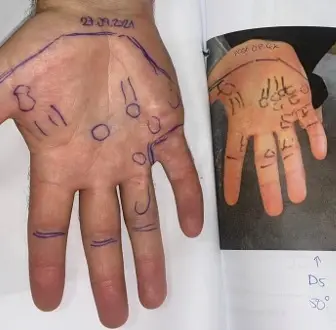
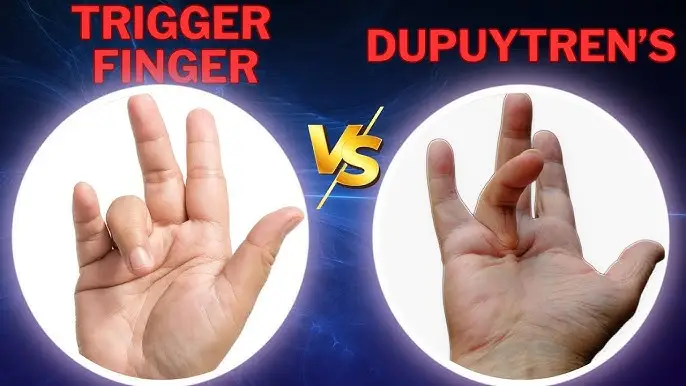
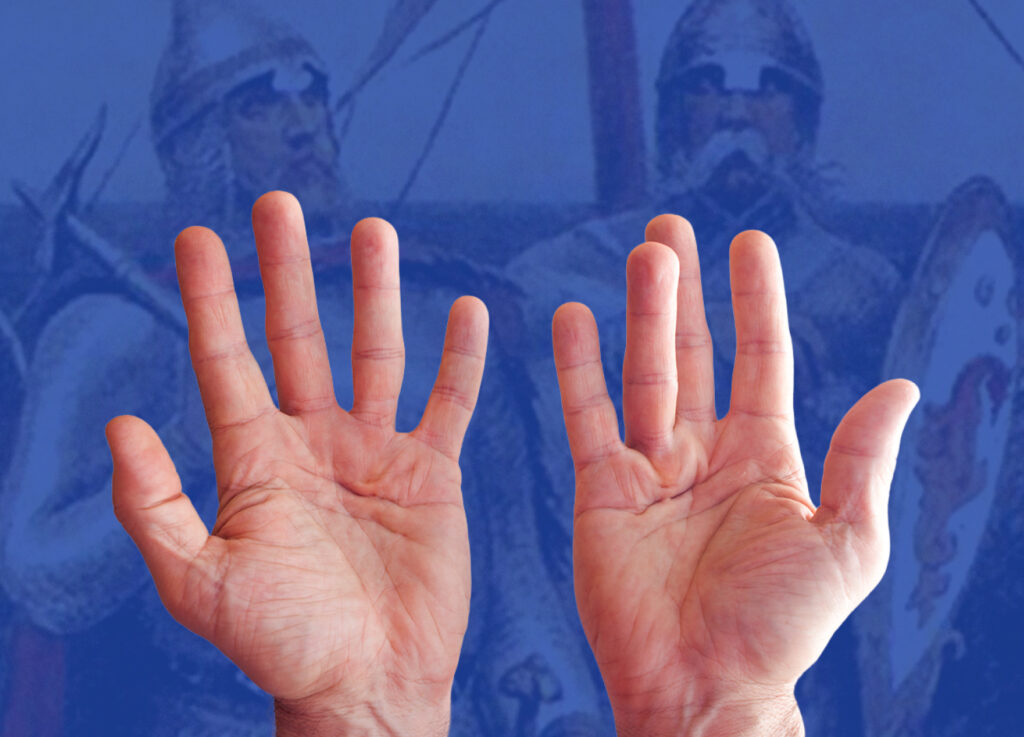
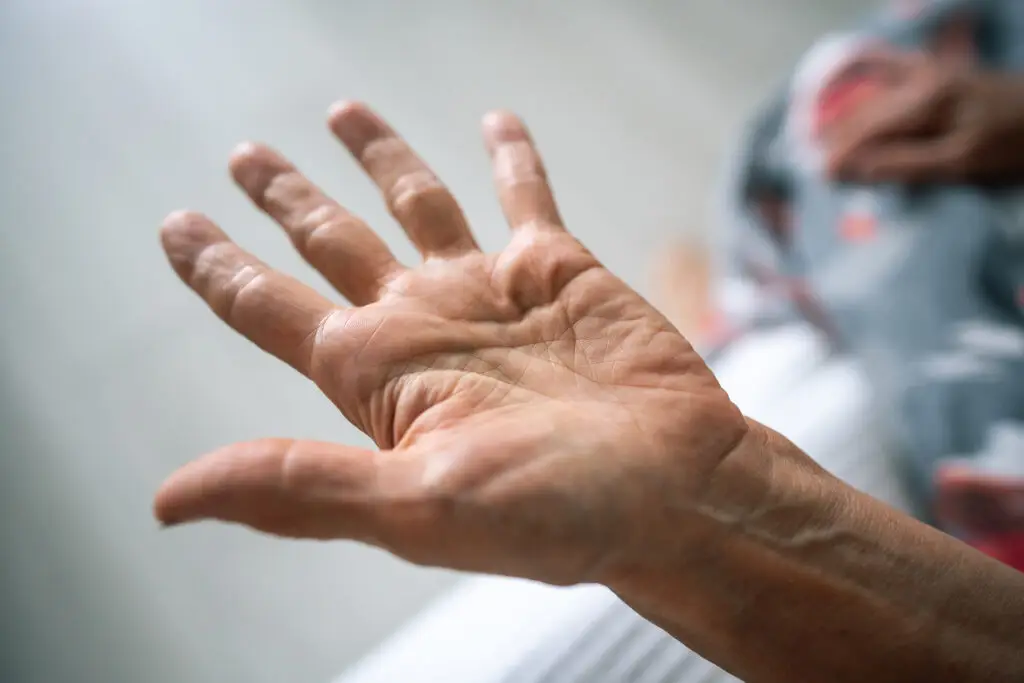
Dupuytren’s disease is a condition affecting the connective tissue in the palm. Over time:
- Nodules (lumps) can develop
- These may form thickened cords
- Fingers – often the ring and little finger – may gradually bend
- Early stages may cause no functional problems.
- Later stages can lead to contracture.
Dupuytren’s disease is associated with:
- Age
- Male sex
- Northern European ancestry
- Genetics
- Diabetes
- Smoking
- Alcohol
- Vibration exposure
Vibration exposure has already been associated with Dupuytren’s disease in occupational studies (for example, workers using vibrating tools). What had not previously been studied was whether sport-related vibration – specifically, field hockey – carries a similar association.
Why Field Hockey?
When a hockey stick strikes the ball – particularly away from the “sweet spot” – vibration travels into the hands. Over decades of play, that exposure may be significant. The researchers hypothesised that long-term field hockey could be associated with Dupuytren’s disease.
What Did the Researchers Do?
This study was carried out in the Netherlands. They examined:
- 169 male field hockey players
- 156 male controls from the general population
Participants were generally over the age of 60.
Important features of the study:
- All hands were examined by experienced doctors
- Early disease (nodules and cords without contracture) was included
- Data was collected on smoking, alcohol, diabetes, family history and employment
- Manual workers and people exposed to occupational vibration were excluded
- Groups were statistically balanced using propensity score matching
This was not simply a questionnaire study. Every participant underwent a physical hand examination.
Expert Non-Invasive Treatment for Dupuytren’s and Ledderhose Disease Across the UK
Dr Richard Shaffer set up Dupuytren’s UK in April 2011 to provide non-invasive treatments for people who suffer from benign conditions such as Ledderhose disease and early-stage Dupuytren’s contracture in the Guildford area. Today, Dupuytren’s UK offers this service to patients throughout the UK.

What Did They Find?
Dupuytren’s disease was present in:
- 51.7% of hockey players
- 13.8% of controls
That means Dupuytren’s disease was about four times more common in hockey players. After statistical adjustment, the calculated odds ratio was 9.4
That represents a strong association. Most cases in both groups were early-stage disease (nodules without contracture). More advanced stages were uncommon overall, but slightly more frequent in the hockey group.
Was There a Dose–Response Effect?
Interestingly, the researchers did not find that:
- More years of hockey
- Or more hours per week
Were clearly associated with higher prevalence or worse severity. In other words, being a long-term hockey player was associated with Dupuytren’s disease. But playing even more did not clearly increase risk further.
How Should We Interpret That?
There are several possible explanations.
1. Hockey May Trigger Onset - Not Progression
Mechanical stress and vibration may act as a trigger that initiates the biological process.
Once the disease has started, progression may depend more on genetics than ongoing vibration.
That would explain:
- A strong association with being a hockey player
- But no clear dose–response relationship
2. Severe Cases May Stop Playing
Players who developed significant contracture may have stopped playing years earlier. That could weaken any apparent relationship between total exposure and severity.
3. Injury May Also Contribute
- Hand injury has previously been associated with Dupuytren’s disease.
- Field hockey players may sustain repeated minor trauma.
That mechanism may operate alongside vibration exposure.
Strengths of the Study
This was a carefully conducted study:
- Direct clinical examination
- Experienced assessors
- Exclusion of occupational vibration
- Statistical balancing for confounding factors
- Clear diagnostic criteria
It strengthens the broader evidence linking vibration exposure to Dupuytren’s disease.
What Does This Mean for Patients?
Dupuytren’s disease has strong genetic drivers. But environmental factors matter. This study suggests that long-term vibration exposure through field hockey is associated with a significantly higher prevalence of Dupuytren’s disease in older men.
That does not mean you must stop playing. I never tell people to stop doing the activities they love. But it does mean you can think about modifying exposure.
Practical Steps If You Play Field Hockey
If you have Dupuytren’s disease – or a strong family history – it is reasonable to consider:
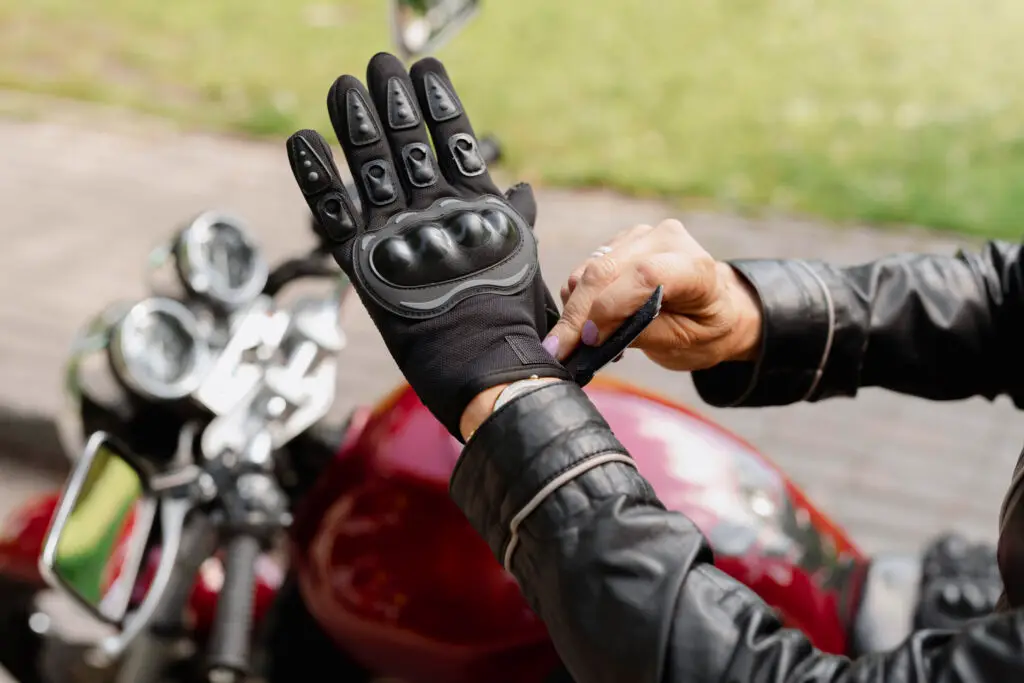
- Wearing well-padded gloves
- Using anti-vibration sports gloves
- Choosing sticks with improved vibration damping
- Reducing repetitive high-impact drills
- Protecting hands from repeated direct trauma
We already know occupational vibration is associated with Dupuytren’s disease. Reducing vibration exposure in sport is a sensible precaution. These strategies do not eliminate risk – but they may reduce it.
Final Thoughts
This study found Dupuytren’s disease was substantially more common in older male field hockey players than in controls. It does not prove causation. But the association is strong. For patients, this is useful information. You cannot change your genetics. But you can make thoughtful decisions about how you protect your hands – while continuing to enjoy the sport you love.