If you’ve been referred for assessment of Dupuytren’s disease, it’s natural to wonder what happens at your first appointment and how decisions about treatment are made. This article explains what to expect during a Dupuytren’s disease consultation, why careful examination and timing matter, and how we decide whether radiotherapy is the right option — now, later, or not at all — based on your symptoms, hand function, and progression of the condition.


If you’ve been referred to see me about Dupuytren’s disease, it’s natural to wonder what will happen at your first appointment, what I’ll be looking for, and how decisions about treatment are made.
Dupuytren’s disease is the condition I treat most often in my benign radiotherapy practice. Having seen and treated several thousand patients, I’ve learned that careful assessment and timing matter just as much as the treatment itself. This article explains what happens at your consultation, why certain questions and examinations are important, and how we decide whether Dupuytren’s radiotherapy is the right option for you – now, later, or not at all.
Before You Come to Clinic
Before your appointment, you’ll usually be asked to complete a questionnaire. This helps us focus your clinic time on what matters most: understanding your condition and discussing your Dupuytren’s disease consultation.
I’m particularly interested in:
- When the problem started and how it has changed
- Whether it’s causing pain, tightness, or functional difficulty
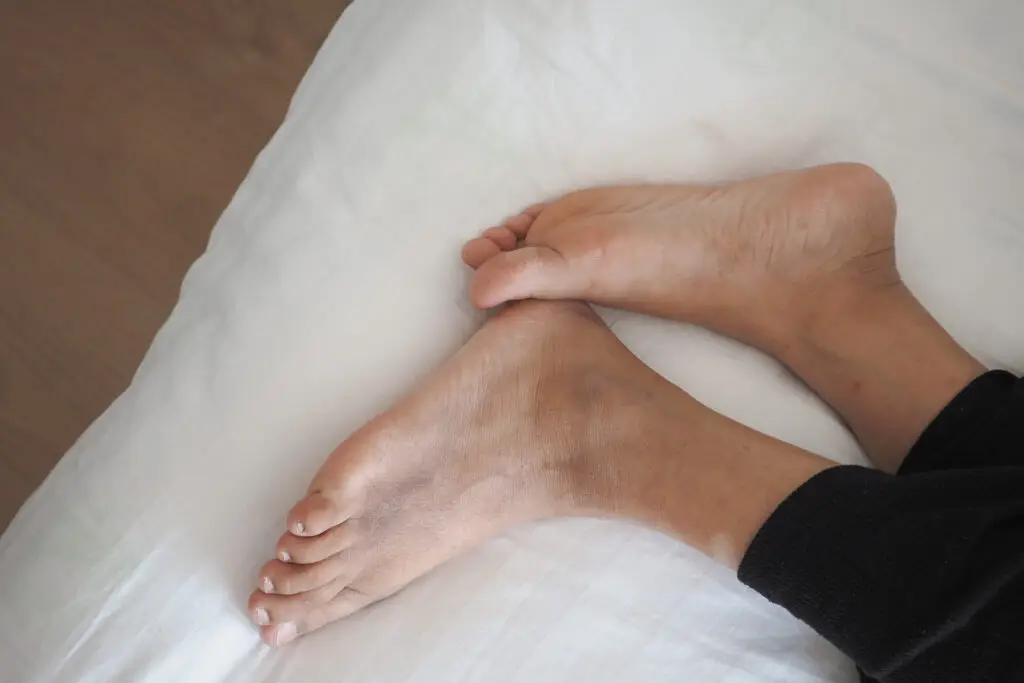
- Whether you have related conditions, such as lumps in the soles of your feet (Ledderhose disease)
This information also helps identify situations where radiotherapy is unlikely to help, for example if there is already a significant finger contracture. In those cases, Dupuytren contracture radiotherapy treatment would not be effective, and we can talk about more appropriate alternatives.
Symptoms That Matter
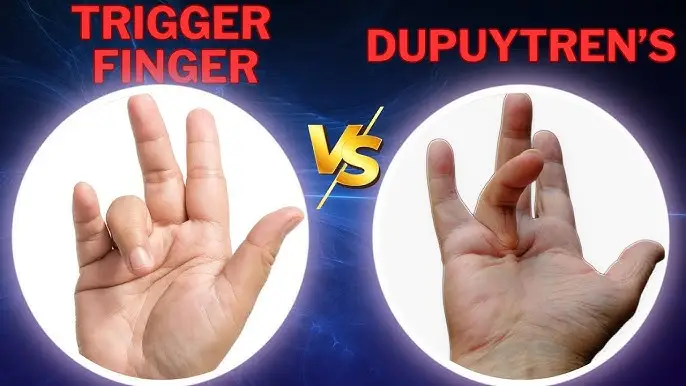
People experience Dupuytren’s disease in different ways, and all of the following are relevant when considering Dupuytren’s disease radiotherapy treatment:
- Tender or painful lumps in the palm
- Tightness or pulling in the fingers
- Reduced grip strength
- Fingers starting to lose their ability to straighten
Some people are mainly worried about pain, others about function, and others about what might happen in the future. All of these concerns are valid and form part of the decision-making process.
Why I Ask About Lifestyle and Other Conditions
Dupuytren’s disease doesn’t occur in isolation. Certain factors are associated with how it develops and how it progresses, which can influence whether early Dupuytren’s disease treatment is appropriate.
I will usually ask about:
- Smoking and alcohol intake
- Diabetes
- Previous hand or wrist injuries
- Family history of Dupuytren’s disease
I also ask about work and hobbies, because repeated stress on the hands can influence symptoms and progression. This might include:
- Manual or physical work
- Use of vibrating tools
- Gardening, gym work, or weightlifting
- Sports that involve gripping
These questions aren’t about blame — they help me understand how your hands are used and how important certain functions are to you.
Musicians and Specialist Hand Use
If you’re a musician, your hands are more than just tools – they’re central to your identity and livelihood.
Very small changes in movement, span, or coordination that might not matter to others can be significant for musicians. In these situations, I may recommend early Dupuytren’s disease treatment, including Dupuytren’s radiotherapy, with the aim of preserving fine hand function and avoiding even subtle deterioration.
Understanding How Your Condition Has Changed
I’ll ask when you first noticed symptoms and how things have changed over time. People don’t always remember exact timelines, and that’s completely normal. I’m looking for overall patterns rather than precise dates.
I’ll also ask whether you’ve had:
- Surgery or needle procedures for Dupuytren’s
- Enzyme injections
- Dupuytren’s disease radiotherapy treatment in the past
This helps guide what options are available now and what might be most effective going forward.
Expert Non-Invasive Treatment for Dupuytren’s and Ledderhose Disease Across the UK
Dr Richard Shaffer set up Dupuytren’s UK in April 2011 to provide non-invasive treatments for people who suffer from benign conditions such as Ledderhose disease and early-stage Dupuytren’s contracture in the Guildford area. Today, Dupuytren’s UK offers this service to patients throughout the UK.

What the Examination Involves
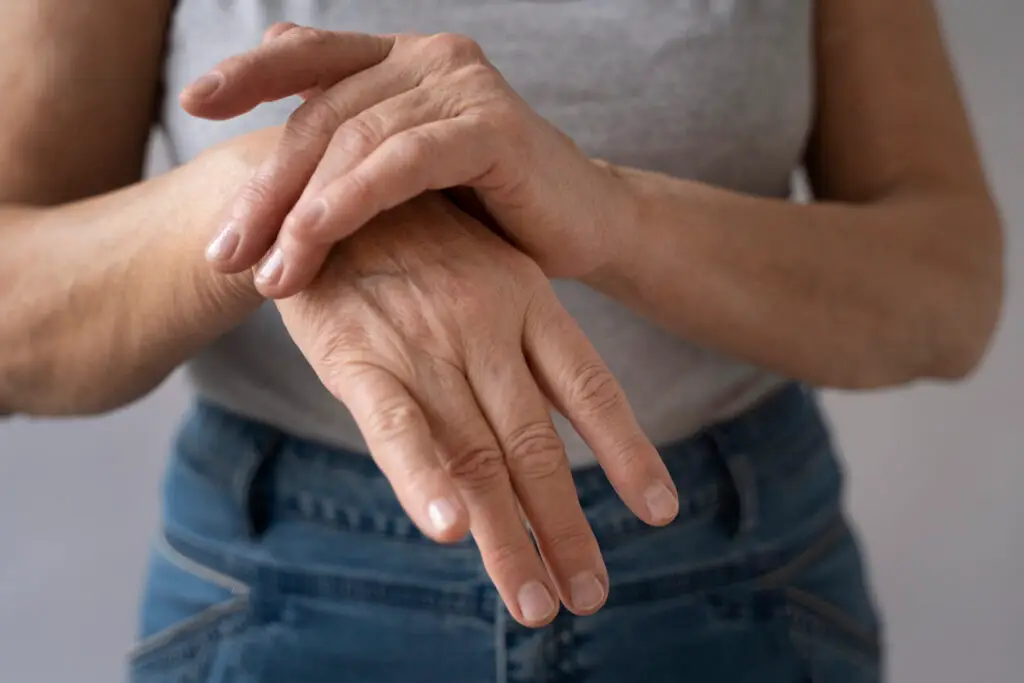
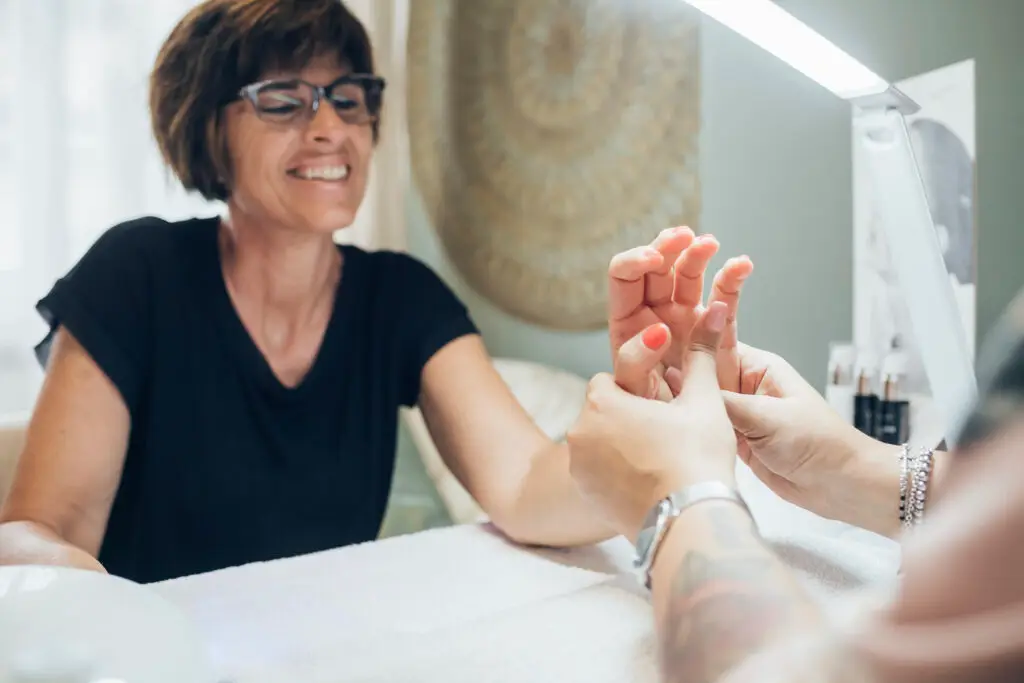
The examination is careful and structured. I’ll look at your hands in different positions to assess:
- How easily the fingers straighten
- Finger spread and thumb movement
- Areas of thickening, nodules, or cords in the palm
I’ll gently feel the palms and fingers to understand where the disease is active. In some cases, I may ask you to briefly clench your fist to help identify areas that could be at risk of future progression, particularly when considering Dupuytren’s radiotherapy, but this isn’t necessary for everyone.
I also check the area between the thumb and index finger. Most of the time this does not need treatment, but it can be relevant in certain situations, particularly where hand span is critical.
Photographs and Monitoring
With your permission, I take photographs of your hands. These give us:
- A clear baseline
- An objective way to assess change over time
- Reassurance if things remain stable
Many patients find this helpful, particularly if we decide to monitor rather than treat straight away.
Not Everyone Needs Treatment Immediately
One of the most important decisions is when to treat. Treatment protocols follow Royal College of Radiologists guidance on radiotherapy practice to ensure appropriate dosing and patient safety.
If your disease is early or stable, we may agree on a period of watchful waiting rather than immediate Dupuytren’s disease radiotherapy treatment.
- Monitoring your hands every couple of months
- Returning if you notice clear progression
- Or having regular follow-up if you prefer
This approach avoids unnecessary treatment while making sure we don’t miss the right window to intervene.
When Radiotherapy Is Not the Right Option
Radiotherapy does not correct established finger contractures. If a finger is already significantly bent and cannot be straightened, Dupuytren contracture radiotherapy treatment is not appropriate. Surgery or a needle procedure is usually more suitable.
If this applies to you, I’ll explain your options and, if helpful, guide you toward an experienced hand surgeon. If radiotherapy is not suitable, there are several other management approaches available. A clear overview of surgical and non-surgical options can be found in this guide to Dupuytren’s disease treatments, which outlines the advantages and limitations of each approach.
When Radiotherapy Is Helpful
Radiotherapy works best when:
- The disease is early and clearly progressing
- There is little or no fixed contracture
- There are symptoms or functional changes
Used at the right time, radiotherapy can slow or stop progression and reduce the risk of future contracture. In some cases, it can also be used after surgery or needle treatment to reduce the chance of the problem coming back.
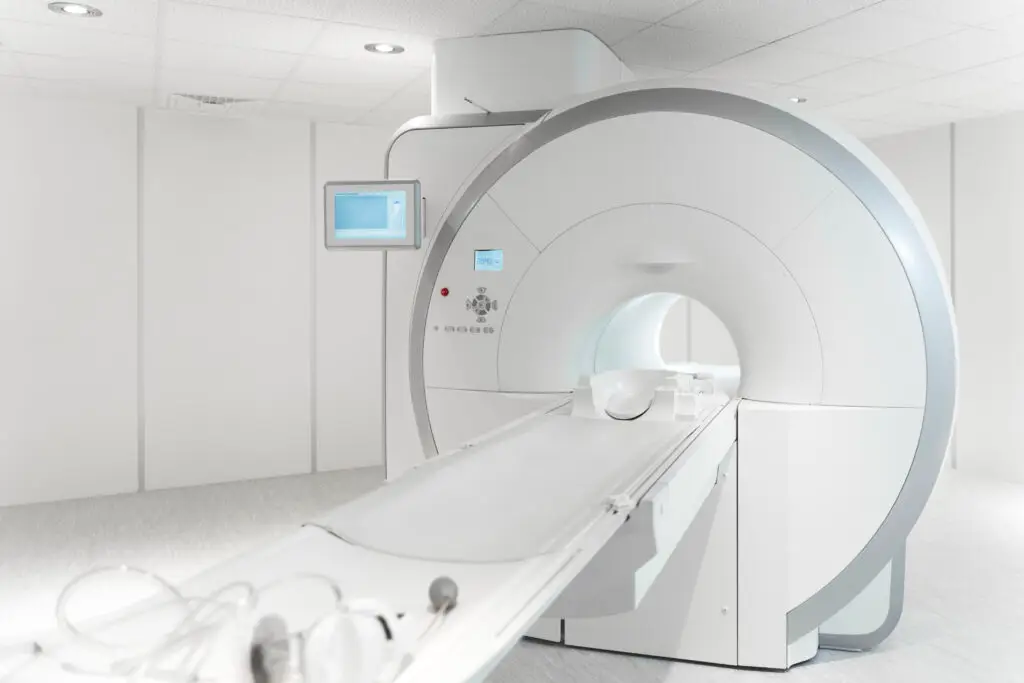
What Treatment Involves (Briefly)
If we decide to proceed with radiotherapy:
- We’ll talk carefully through the aim of treatment, potential benefits, and possible side effects
- You’ll be asked to give formal consent
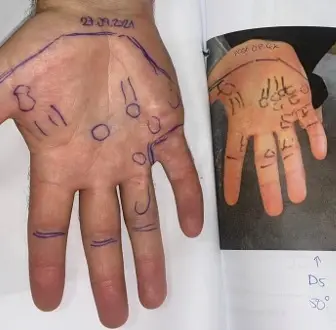
- The treatment area will be carefully marked
Treatment is given in two short courses:
- Five daily treatments over one week
- A break of around three months
- A second week of five treatments
Each treatment takes about 10 minutes. Radiotherapy is painless and does not make you radioactive. Radiotherapy is typically considered in earlier stages, alongside other Dupuytren’s disease treatment options in the UK depending on severity and progression.
Side Effects and Risks
Most people tolerate Dupuytren’s disease radiotherapy treatmentvery well.
Short-term effects may include:
- Redness or dryness of the skin
- Mild soreness
This is similar to mild sunburn and usually settles within a couple of weeks with moisturising and avoiding heavy hand use.
Long-term effects can include:
- Ongoing skin dryness (around 20% of patients)
- Mild skin changes
The risk of radiation-related skin cancer is very low, and much lower than the lifetime risk from everyday sun exposure.
Follow-Up
I usually check progress at around three months, often using a questionnaire, though you’re always welcome to come back for an in-person review. The full effect of treatment can take up to a year to become clear. During your consultation, Dr Richard Shaffer will examine the affected area, review your medical history, and determine whether radiotherapy is suitable.
Final Thoughts
Dupuytren’s radiotherapy is about timing, judgment, and individual circumstances.
Some people come too early, driven by understandable anxiety about the future. Others come too late, when radiotherapy can no longer help. My role is to guide you through those decisions – whether that means treating now, watching carefully, or helping you access another option.
Experience matters with this condition, both in assessment and treatment. If nothing else, I hope this article helps you understand what to expect and reassures you that decisions are made thoughtfully, not automatically.