Keep Your Hands Moving – Act Early Against Dupuytren's Contracture

“A year after my first consultation with Dr Shaffer, my life was back on track. I got a job as a programmer and was back playing badminton. Best of all, I became a dad!”

Our Patient Success Stories

Explore personal stories of recovery and how we helped patients regain hand and foot function and improve quality of life.

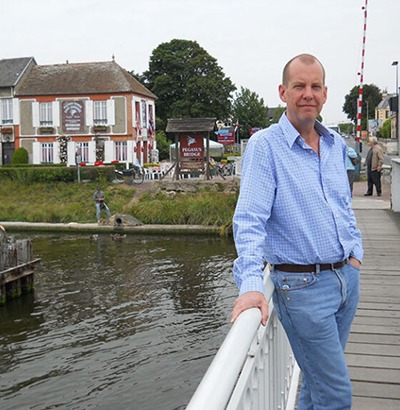
“Initially, my medical insurance company didn’t recognise radiotherapy as a treatment for Dupuytren’s but changed its policy as a result of NICE’s approval and support from Dr Shaffer.

After a while, the lump became significantly less prominent, and I wasn’t distracted by it anymore. Three years later, I am delighted that the symptoms have almost completely abated. I retain a significantly smaller, slightly hardened area but feel the use of my hand may actually have improved – it certainly hasn’t deteriorated.” 

A man in a blue checkered shirt and jeans, affected by Dupuytrens contracture disease, leans on a white railing of a bridge over a river, with buildings, trees, and a sign visible in the background on a cloudy day.

Mike
Dupuytren's Patient

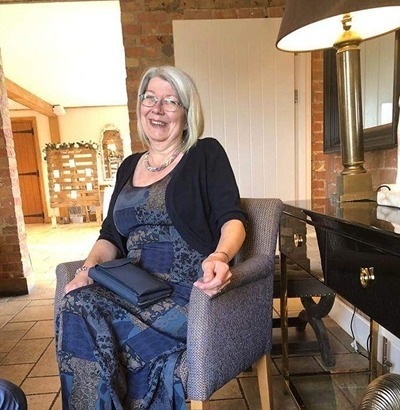
“Both my feet kept me awake at night, itching, throbbing, and burning, and I was off balance when first standing in the mornings. I cried when my foot specialist at my local clinic said there was nothing else he could do for me.

I don’t even think about pain when I’m walking where as it was constant before. Love my feet again and danced at a wedding last week for the first time in years.”

An older woman with gray hair, glasses, and a cheerful smile sits on a chair indoors, wearing a patterned blue dress and holding a navy clutch. She shows no visible Dupuytren’s contracture symptoms as she relaxes in the cozy brick-walled room.

Valerie
Ledderhose Patient

Dupuytren’s Contracture Treatment FAQs

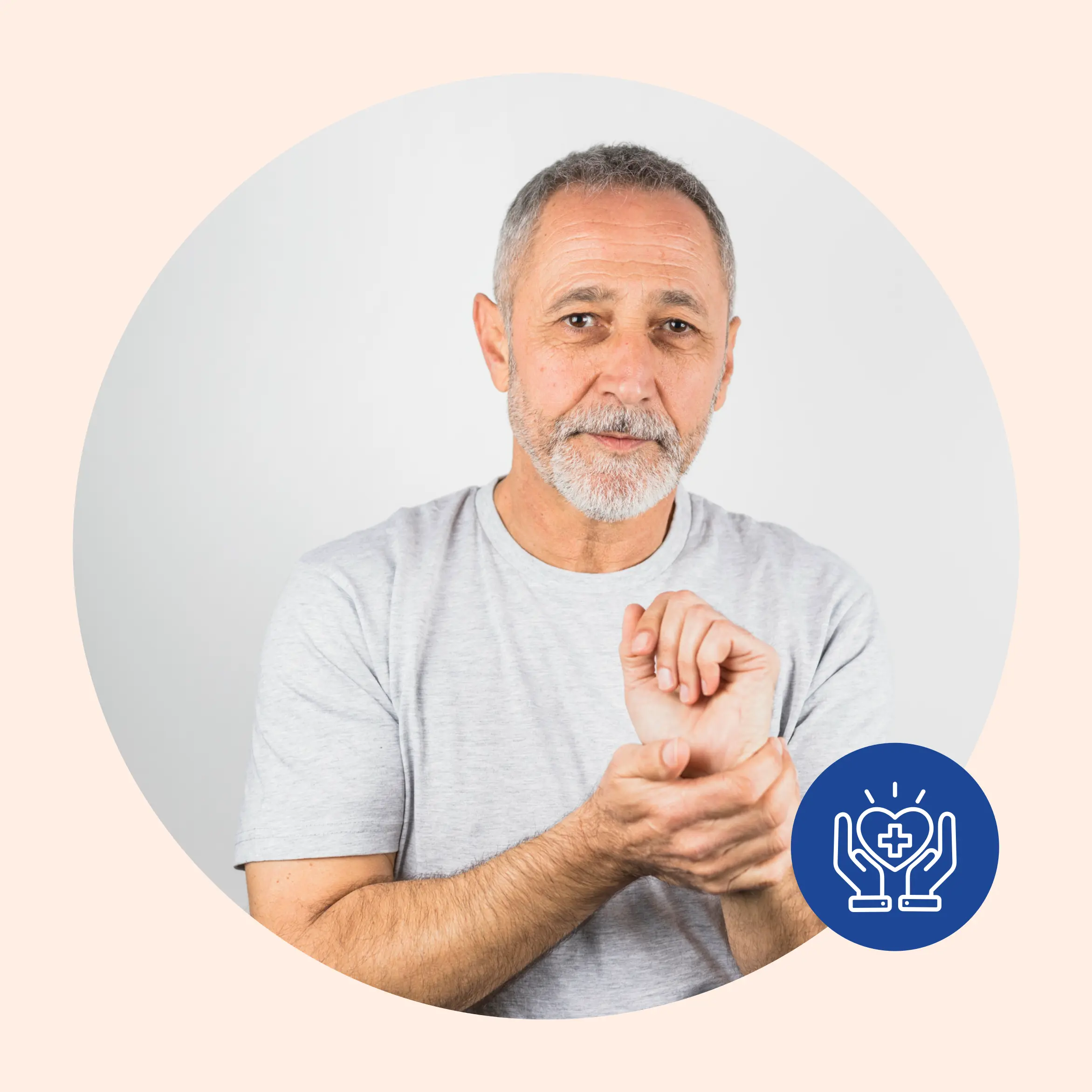
Radiotherapy is most effective for people in the early, active stage of Dupuytren’s, when nodules or cords are forming, but fingers are still straight. At this stage, the condition is more responsive to treatment, and progression can often be slowed or stopped.


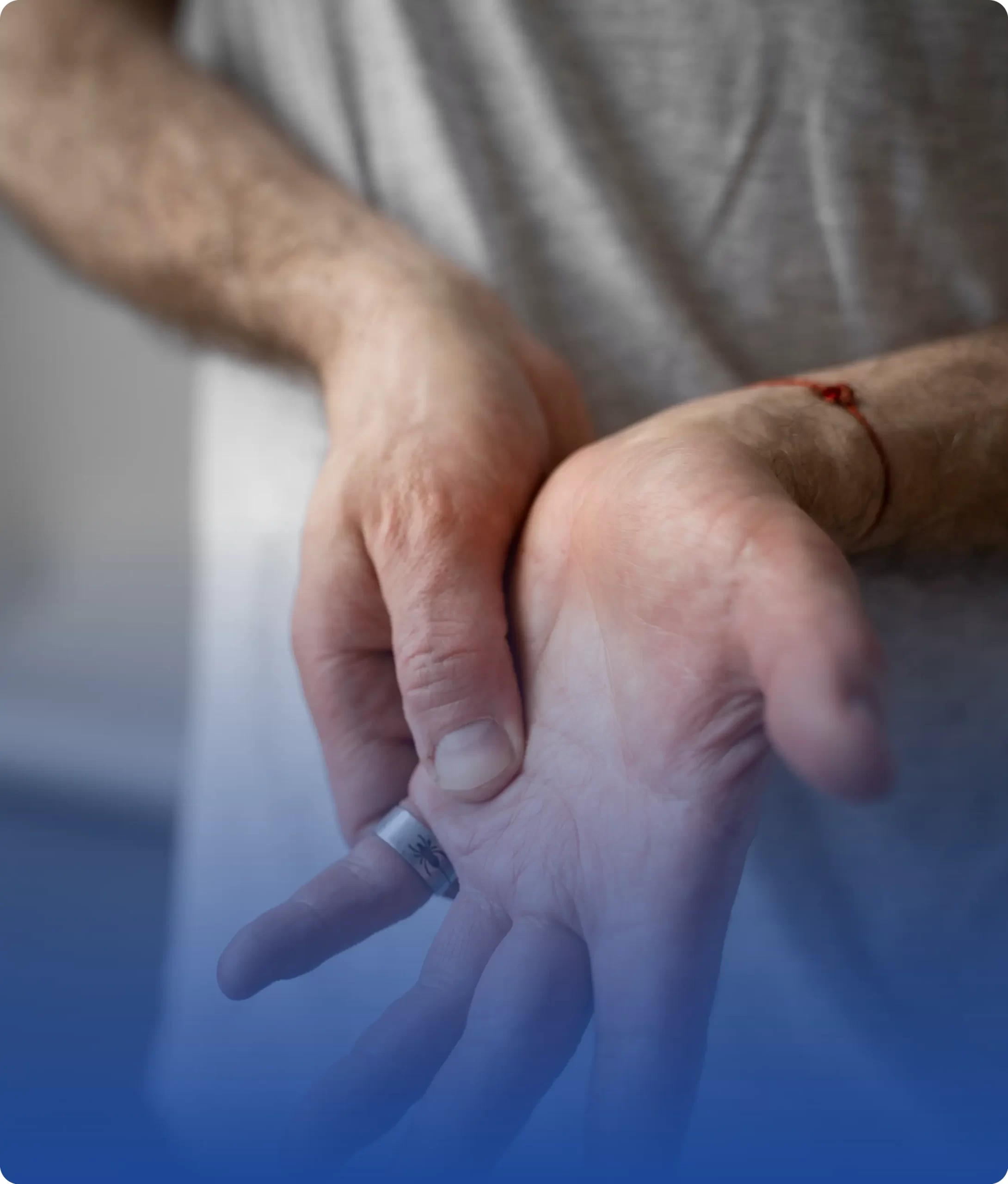
If you’ve recently noticed lumps, tightness, or tenderness in your palm, it may be the right time to act. The treatment is not usually recommended once contractures have set in (which is where the finger gets stuck in a bent position of at least 30 degrees), as radiotherapy is often not as effective at that advanced stage. A consultation will confirm whether you are a good candidate. Acting early gives you the best chance to protect your hand function.

Radiotherapy can be highly effective at slowing or stopping the progression of Dupuytren’s when used in the early, active stage of the disease. It works best before the fingers become permanently bent, targeting the disease process before contractures set in. Many patients find that treatment helps maintain flexibility, reduce discomfort, and delay or even avoid the need for surgery. While results vary from person to person, studies and patient experience show positive outcomes when treatment is started early. Your consultant will discuss your specific case and give you realistic expectations for your results.

Radiotherapy for Dupuytren’s is a gentle, non-invasive treatment, and most patients feel no pain at all during the sessions. The procedure involves lying comfortably while targeted low-dose radiation is delivered to the affected area. You can talk to the team throughout, and no anaesthetic is needed. After a few weeks, some people may notice mild redness, dryness, or slight peeling of the skin, which usually settles with simple moisturising. Serious side effects are rare, and your consultant will explain them clearly before you begin. We are here to guide and reassure you through each stage.

Radiotherapy for Dupuytren’s uses a gentle, low dose aimed only at the affected area of your hand. Most patients notice only mild, temporary skin changes, such as slight redness or dryness, appearing a couple of weeks after treatment. These usually settle within a month with simple skincare. There is no open wound, and the skin does not “burn” in the way people often imagine. Any changes are carefully monitored, and our team will give you clear guidance on how to care for your skin so it heals comfortably.

Dupuytren’s UK is one of the UK’s leading specialist centres for radiotherapy treatment, with extensive experience in Dupuytren’s contracture and other benign diseases. 

Dr Shaffer is a leading expert in the use of radiotherapy to treat benign conditions.

Find your nearest centres within our 15 different centres across the UK

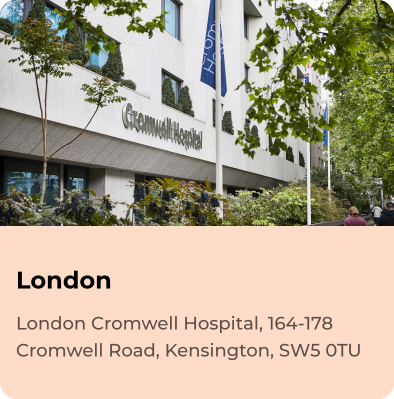
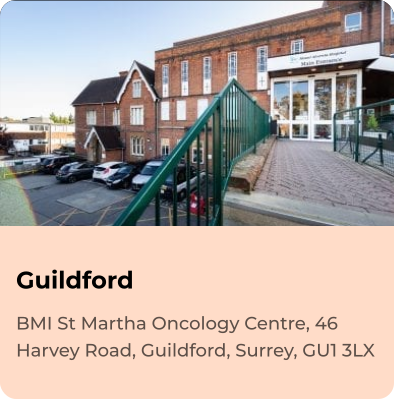
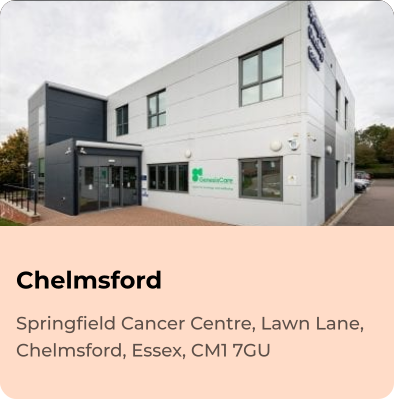
Appointments with Dr Shaffer take place in London, Guildford and Nottingham. Treatment can be delivered in any of 15 centres around the UK (Birmingham, Bristol, Cambridge, Chelmsford, Cromwell, Elstree, Guildford, London Cromwell, Wimbledon Cancer Centre London,  Maidstone, Milton Keynes, Nottingham, Oxford, Portsmouth, Southampton, Windsor). See below for details:

Treatment That Fits Into Your Life

Personal Consultation and Planning

Your journey begins with a detailed assessment by our consultant, who will examine your hands, confirm the diagnosis, and map out the exact area for treatment. This is your time to ask questions and understand how radiotherapy can help you.

First Course of Treatment

You'll attend the clinic for five short daily sessions, each lasting only a few minutes. The treatment is painless, and you can return to work or your usual activities immediately after each session.

Second Course and Follow-Up

After a break of around 3 months, you'll return for another five sessions to complete the treatment plan. We then arrange follow-up checks to monitor your hand and ensure the condition remains stable.

Most UK Medical Insurances Cover This Treatment

Radiotherapy treatment at Dupuytren’s UK is covered by most major private medical insurance providers and we also offer a range of self-pay options. Your treatment at Dupuytren’s UK can be funded by a number of private medical insurance providers including Bupa, Vitality and WPA. Other private medical insurance providers may fund your treatment on a case-by-case basis. All our services are available for patients who are looking to self-pay, too. We accept a variety of payment methods and will provide you with a detailed quote for your treatment. If you’d like an estimate of the costs for your care, please use the contact form at the bottom of this page to get in touch with us. 

A middle-aged man with short gray hair, glasses, and a trimmed beard smiles at the camera. He is wearing a dark blue button-up shirt, with a blue background featuring abstract circular shapes, symbolizing hope for Dupuytrens contracture treatment UK.

Dr Richard Shaffer

Dr Richard Shaffer is a Radiation Oncologist and a prominent expert in the use of radiotherapy for treating benign disease, including Dupuytren’s, Ledderhose, plantar fasciitis, Achilles tendinopathy, keloid scars, osteoarthritis, tendinopathy and bursitis. Since starting his practice in 2011, Dr Shaffer has treated approximately 3,000 benign patients, and provided training and mentoring to fellow consultants starting benign radiotherapy practices.

Dr Shaffer offers face-to-face consultations at four of our centres: London Cromwell Hospital, Wimbledon Cancer Centre, Guildford, and Nottingham. After your consultation, you can choose to undergo treatment at any of our 15 locations across the UK.

Find Out More

Need more information related to Dr Shaffer’s health services? Send us your request and we will be in touch shortly! 


Have a quick question?

Concerned about Dupuytren's Contracture or Ledderhose Disease? Book in your free call with Dr Shaffer to discuss how we can help.