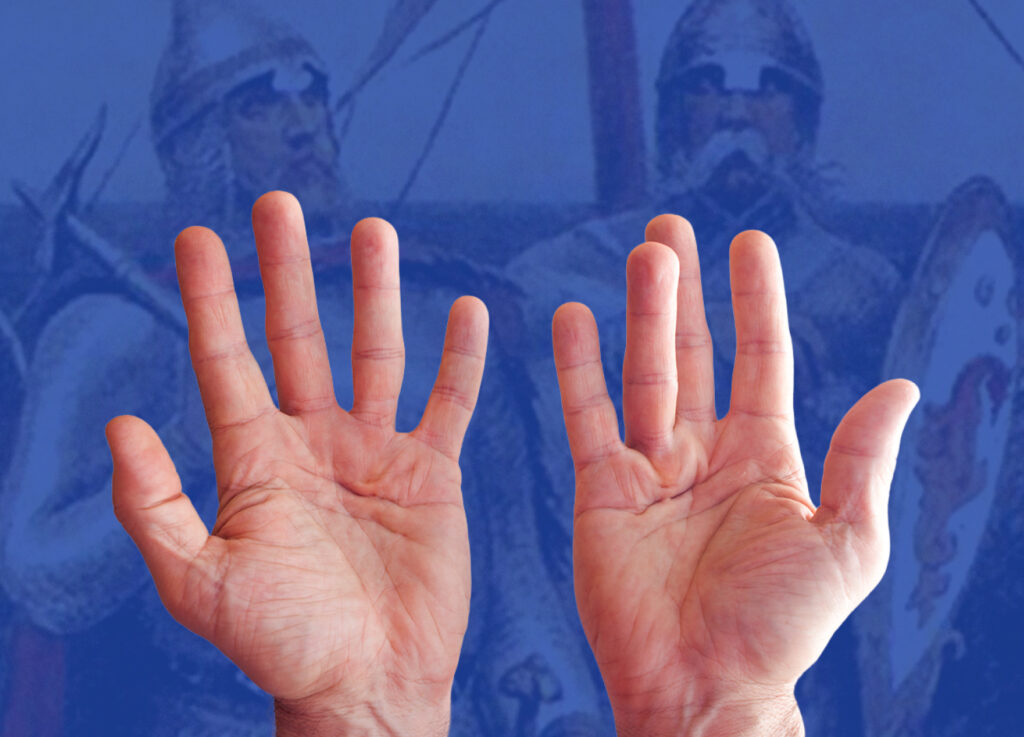
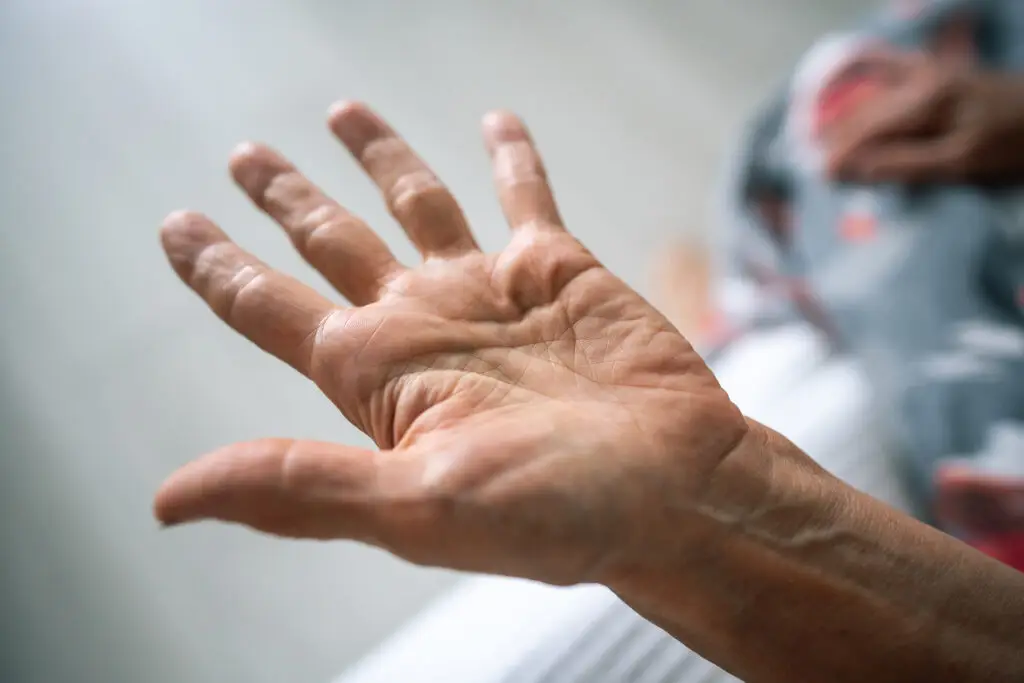
Viking disease is a common nickname for Dupuytren’s disease, but genetic research shows the condition predates the Vikings by thousands of years. Studies now trace the strongest risk factors to Neanderthal DNA rather than Viking ancestry.

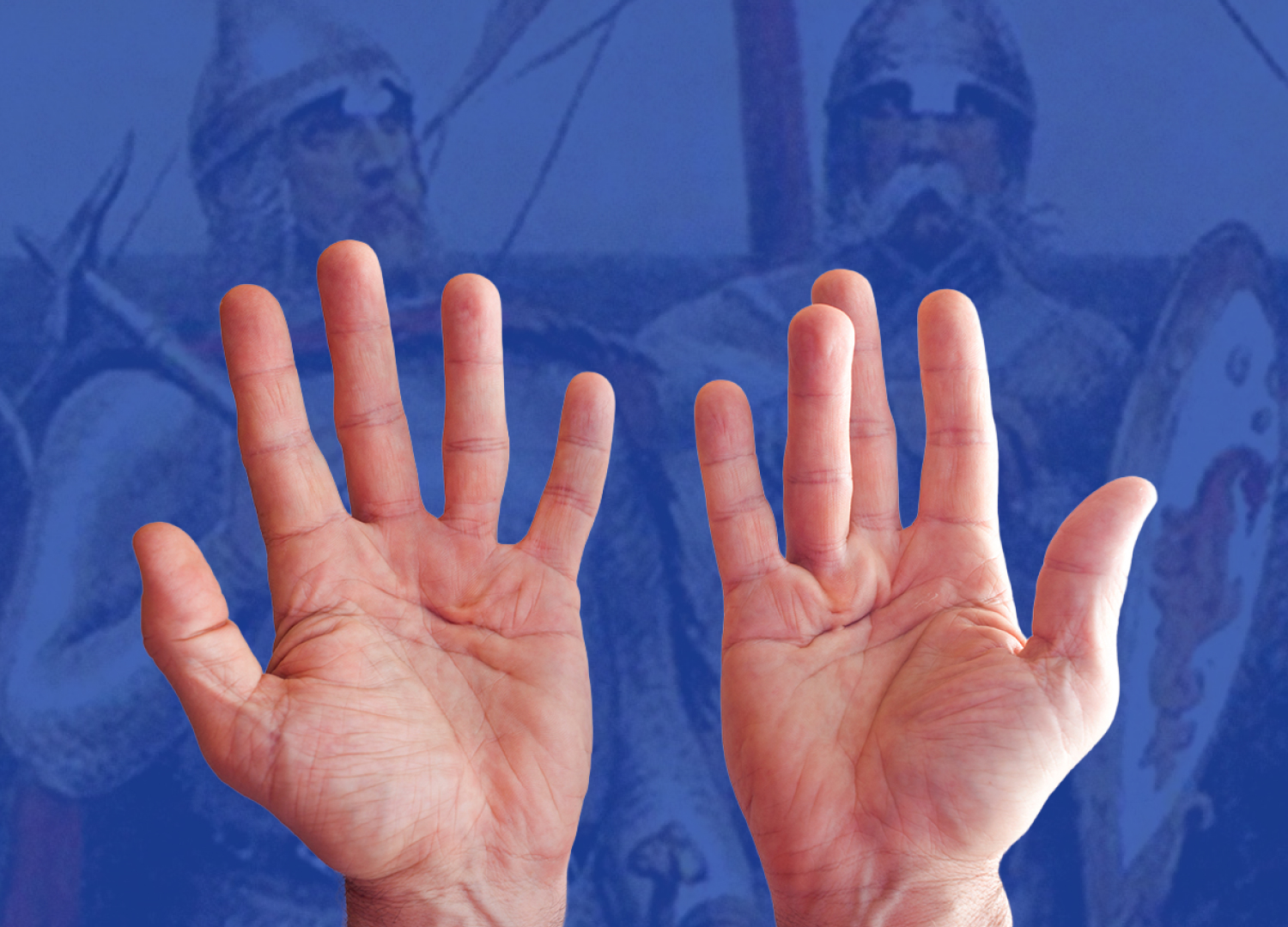
Is Dupuytren’s Really a “Viking Disease”? The Surprising Genetic Story
Many people have heard Dupuytren’s described as a “Viking disease.” At first glance, the idea seems to make sense. The condition is common in Scandinavia, Vikings travelled widely, and the geography appears to match.
But when scientists finally looked at the genetics in detail, the story turned out to be quite different – and far more interesting.
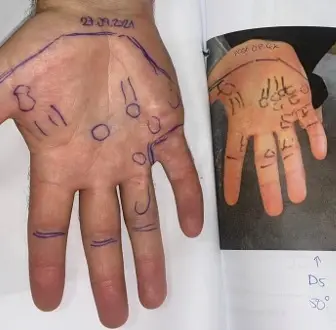
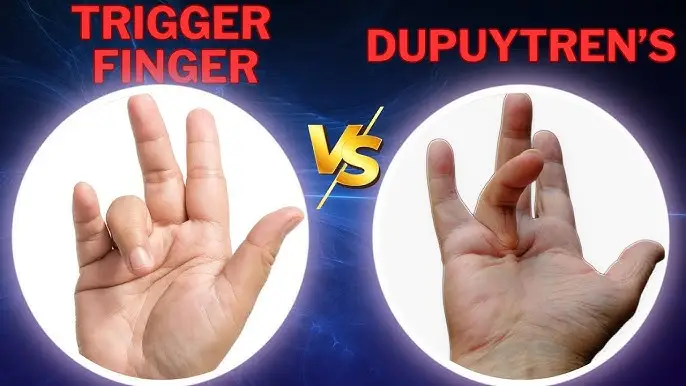
Dupuytren’s disease causes fingers to gradually bend into the palm and lose the ability to straighten fully. It most often affects the ring and little finger, and it often runs in families.
For many years, people assumed this was because of Viking ancestry, which might explain why the condition is more common in Northern Europe. But two modern genetic studies have now tested that idea – and the real story goes back much further than the Viking age.
The Story Behind the "Viking Disease" Label
Before looking at the science, it helps to understand why the Viking explanation became so popular in the first place. The idea did not come out of nowhere. There were real observations that seemed to support it.
The Numbers That Started the Theory
Dupuytren’s disease is much more common in Northern Europe than in most other parts of the world. In Norway, for example, up to 30% of men over the age of 60 have the condition. By contrast, it is much less common in people of African ancestry. When researchers see that kind of geographic pattern, they naturally look for a historical explanation. Viking migration seemed like a reasonable one.
The Folklore That Kept the Story Going
Two historical stories helped reinforce the Viking connection.
The first comes from Scotland. On the Isle of Skye, there was a famous family of hereditary bagpipers called the MacCrimmons, who served the MacLeod clan. Over several generations, many members of the family developed bent fingers that eventually stopped them from playing. By the 15th century, this was being referred to as “the Curse of the MacCrimmons.” Because it clearly ran in the family, people saw it as an ancient inherited condition.
The second story comes from Icelandic sagas written around the year 1200, which describe a hand deformity that sounds very similar to Dupuytren’s contracture. These references gave the idea historical depth.
When those stories were combined with the high Scandinavian prevalence, the nickname “Viking disease” began to feel convincing.
What the theory lacked, however, was direct genetic evidence. When researchers finally looked for that evidence, they did not find it.
What Happened When Researchers Tested the Viking Theory
In 2019, researchers finally tested the Viking theory using modern genetic tools. The study, led by Ng, Lawson, Winney, and Furniss, combined two large genetic datasets: one containing people with Dupuytren’s disease and another mapping the detailed ancestry of people across the British Isles. The researchers used several different methods to ask the same question: Do the genes that increase the risk of Dupuytren’s track with Norse (Viking) ancestry?
Across every analysis, the answer was the same. People with Dupuytren’s did not have more Viking-related genetic markers than people without the disease. The specific genes linked to Dupuytren’s were not associated with Norse ancestry. And when researchers mapped genetic risk across the UK, it did not concentrate in areas with known Viking heritage, such as Orkney.
Every approach pointed in the same direction. There is no genetic evidence that Dupuytren’s disease originated with the Vikings.
Expert Non-Invasive Treatment for Dupuytren’s and Ledderhose Disease Across the UK
Dr Richard Shaffer set up Dupuytren’s UK in April 2011 to provide non-invasive treatments for people who suffer from benign conditions such as Ledderhose disease and early-stage Dupuytren’s contracture in the Guildford area. Today, Dupuytren’s UK offers this service to patients throughout the UK.

The Disease Turns Up Where Vikings Never Went
There is also a broader problem with the Viking explanation. Dupuytren’s disease has been reported in many parts of the world that have no connection to Viking history, including Japan, Spain, Ethiopia, and India. Japan, in particular, has a measurable prevalence of the condition despite having no Scandinavian ancestry in its population history.
There may even be much older traces of the condition. A cave painting in Chauvet, France, dating back around 30,000 years, appears to show a handprint that resembles a Dupuytren’s contracture. If that interpretation is correct, the condition existed tens of thousands of years before the Viking Age.
Where the Risk Comes From
A major clue appeared in a 2023 genetic study published in Molecular Biology and Evolution. Researchers analysed data from three very large biobanks, including nearly 8,000 people with Dupuytren’s disease and more than 600,000 people without it.
They identified 61 genetic variants linked to Dupuytren’s disease. Surprisingly, three of those variants came from Neanderthals. Two of them were among the strongest genetic risk factors found in the entire study. In other words, some of the genes that increase the risk of Dupuytren’s disease today may come from ancient interbreeding between modern humans and Neanderthals tens of thousands of years ago.
Who the Neanderthals Were and Why It Changes Things
Neanderthals were a group of ancient humans who lived in Europe and parts of Asia until about 40,000 years ago. When modern humans first left Africa and spread across the world, they met and interbred with Neanderthals.
As a result, people whose ancestry is outside Africa still carry a small amount of Neanderthal DNA — usually about 1–2% of their genome. People with sub-Saharan African ancestry carry almost none.
This difference closely mirrors the global pattern of Dupuytren’s disease, which is far more common in populations of European ancestry than in populations whose ancestors remained in Africa.
In other words, the genetic roots of Dupuytren’s disease appear to be far older than the Viking Age.
The Gene at the Centre of It
The strongest Neanderthal-linked risk variant was traced to a gene called EPDR1.
This gene influences the behaviour of myofibroblasts, the specialised cells that tighten and form the fibrous cords seen in Dupuytren’s disease.
The Neanderthal version of the gene changes how the protein is produced, which appears to alter how these cells behave. That change may make it easier for the abnormal cords characteristic of Dupuytren’s disease to develop.
How Much the Risk Goes Up
The effect of these Neanderthal gene variants is significant.
People who carry all three of the identified variants have almost three times the risk of developing Dupuytren’s disease compared with people who do not carry them.
Together, these variants explain a noticeable portion of the genetic risk for the condition. This is striking because Neanderthal DNA makes up only about 1–2% of the modern European genome, yet it contributes disproportionately to Dupuytren’s disease risk.
The Genetic Picture for Patients
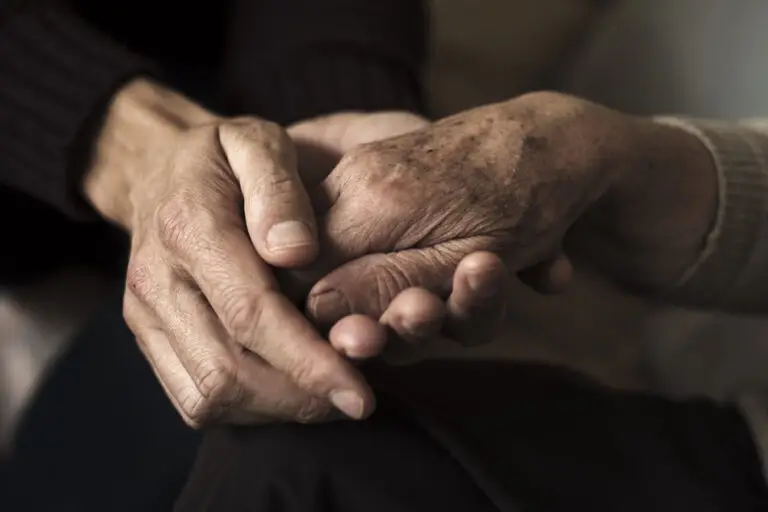
Genetics plays a major role in Dupuytren’s disease. A large Danish twin study involving more than 30,000 twin pairs estimated that around 80% of the risk is inherited. This helps explain why the condition often runs strongly in families.
Other factors can also increase the likelihood of developing the disease. These include:
- Increasing age, particularly in men over 50
- Alcohol consumption
- Diabetes
- Smoking
- Certain anti-epileptic medications
- Manual labour and long-term exposure to vibration
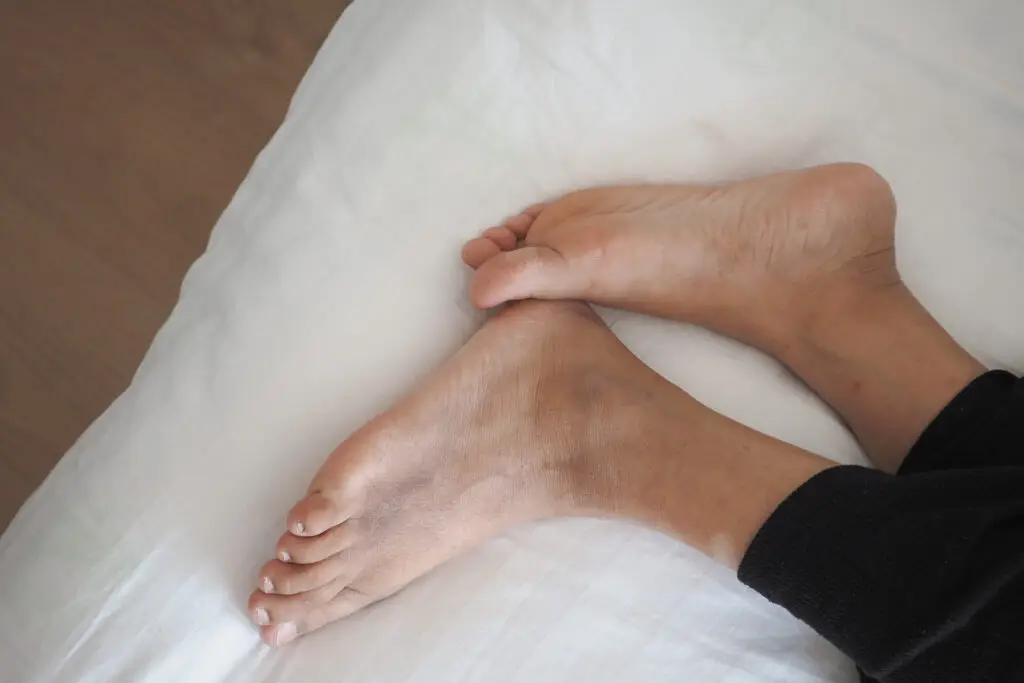
People with Dupuytren’s disease in the hands are also more likely to develop related fibrotic conditions, including Ledderhose disease in the feet, Peyronie’s disease, and frozen shoulder (adhesive capsulitis). These conditions appear to share similar biological mechanisms.
The Final Word on "Viking Disease"
The nickname “Viking disease” will probably continue to be used. It is memorable, and the historical stories behind it are interesting.
But the condition is far older than the Viking Age. The strongest genetic risk factors identified so far trace back to an ancient meeting between modern humans and Neanderthals tens of thousands of years ago.
The Vikings likely carried these inherited variants as they spread across parts of Europe, which may partly explain some regional clustering. But they were not the original source of the disease.
One of the most important discoveries from recent research is the identification of a gene called EPDR1, which appears to play a central role in the development of Dupuytren’s disease. Understanding this gene gives scientists a clearer biological target as they explore future treatments.
As the senior author of the 2023 study, Hugo Zeberg, put it plainly: the roots of Dupuytren’s disease lie in very ancient human history, and the connection to Vikings has probably been overstated.
If you have concerns about Dupuytren’s disease or hand contractures, getting an early assessment makes a real difference to the options available to you. The sooner the condition is identified, the wider the range of treatments that can be considered. Speak with Dr Shaffer at Dupuytren’s UK to find out what the right next step looks like for you.
References and Further Reading
- Ågren R et al. Major Genetic Risk Factors for Dupuytren’s Disease Are Inherited From Neandertals. Molecular Biology and Evolution, 2023.
- Ng M et al. Is Dupuytren’s Disease Really a ‘Disease of the Vikings’? Journal of Hand Surgery (European Volume), 2020.
- Larsen S et al. Genetic and Environmental Influences in Dupuytren’s Disease: A Study of 30,330 Danish Twin Pairs. Journal of Hand Surgery, 2015.
- Flatt AE. The Vikings and Baron Dupuytren’s Disease. Proceedings of the Baylor University Medical Center, 2001.
- British Dupuytren’s Society. History of Dupuytren’s Disease.
- EurekAlert / Oxford University Press. ‘Viking disease’ hand disorder may come from Neandertal genes. June 2023.