If you train regularly in CrossFit, calluses are expected—but a firm lump under the skin may be something different. This guide explains how to tell the difference between a callus and early Dupuytren’s disease, why it can develop, and what you can do without stopping training.

Why CrossFit Changes Your Hands
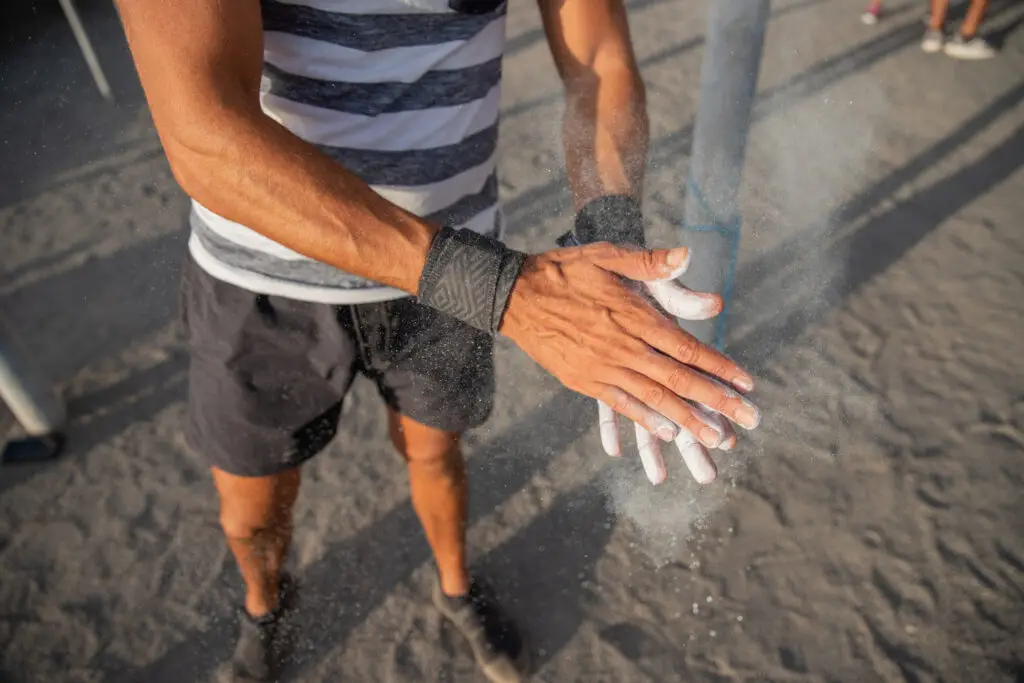
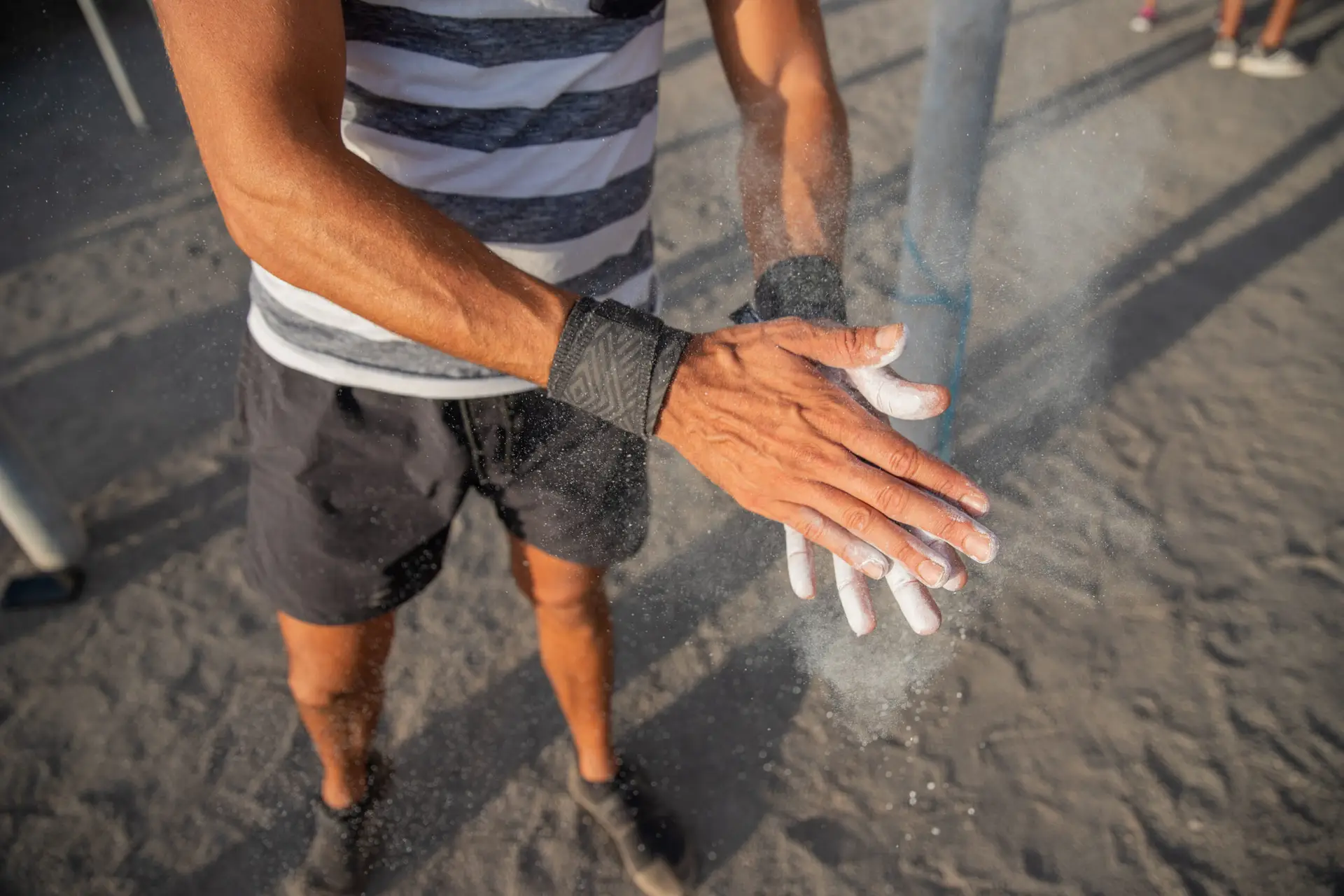
CrossFit places a lot of demand on your hands, and most people who train regularly become very aware of them. Almost everything involves gripping, pulling, or hanging from something, whether that is a barbell, kettlebell, or pull-up bar. Over time, the skin in the palm thickens and forms calluses. These are expected, and for most people they are simply a sign that they are training consistently and using their hands well.
Every so often, though, something feels different. Instead of a patch of thickened skin, you notice a small lump in the palm. It feels deeper and firmer, and it does not behave like the calluses you are used to. That is usually the point where people start to wonder whether this is something else.
CrossFit combines heavy grip with repeated use of the hands. You are holding weight, supporting your body, and repeating movements many times in a session. This creates pressure and strain through the palm, and the skin responds by thickening. Underneath the skin, the tissues are also being used repeatedly. In most people, this settles without any problem at all, and nothing further develops.
When It’s Not Just a Callus
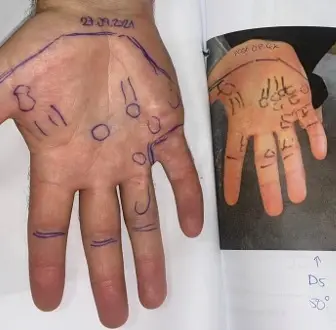
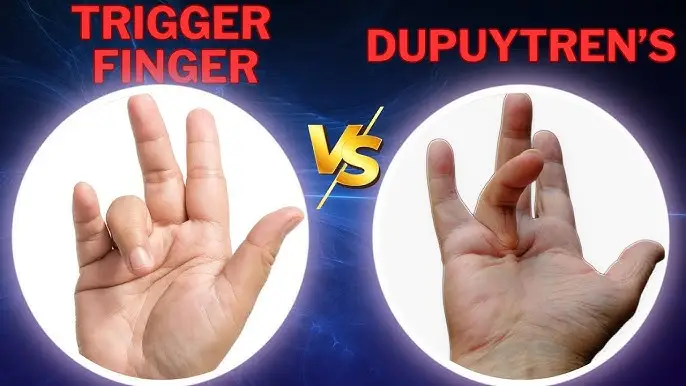
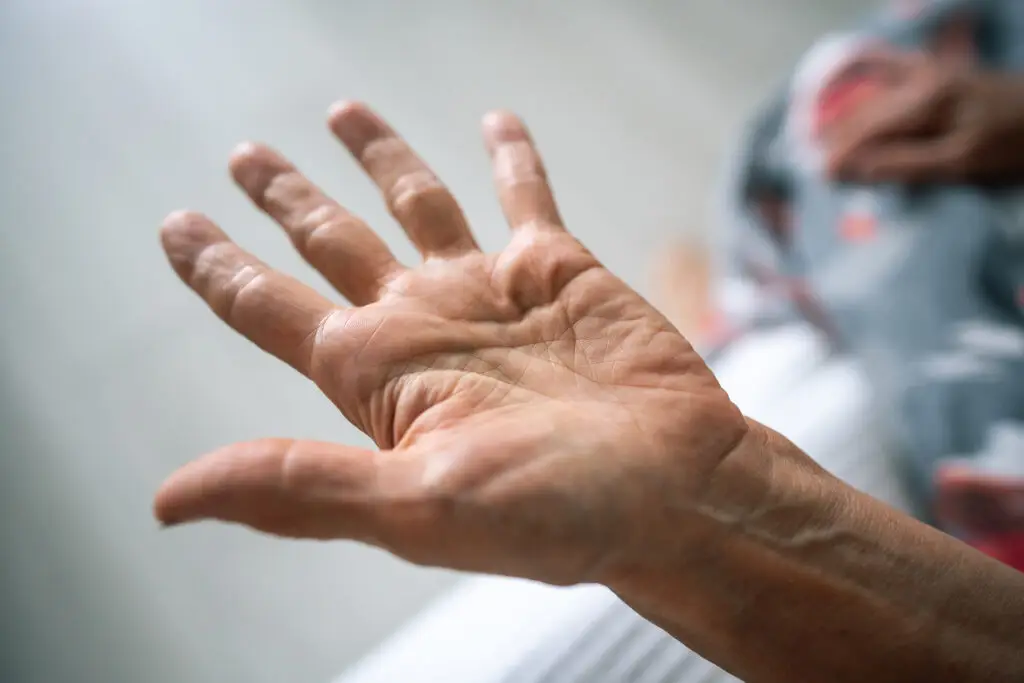
In some people, a different process can occur alongside this. The key distinction is where the change is happening. A callus sits in the skin. It feels rough or thickened and can vary depending on how much you are training. What people sometimes notice instead is a small, firm lump under the skin. It tends to stay in the same place, does not flatten, and may slowly become more noticeable over time.
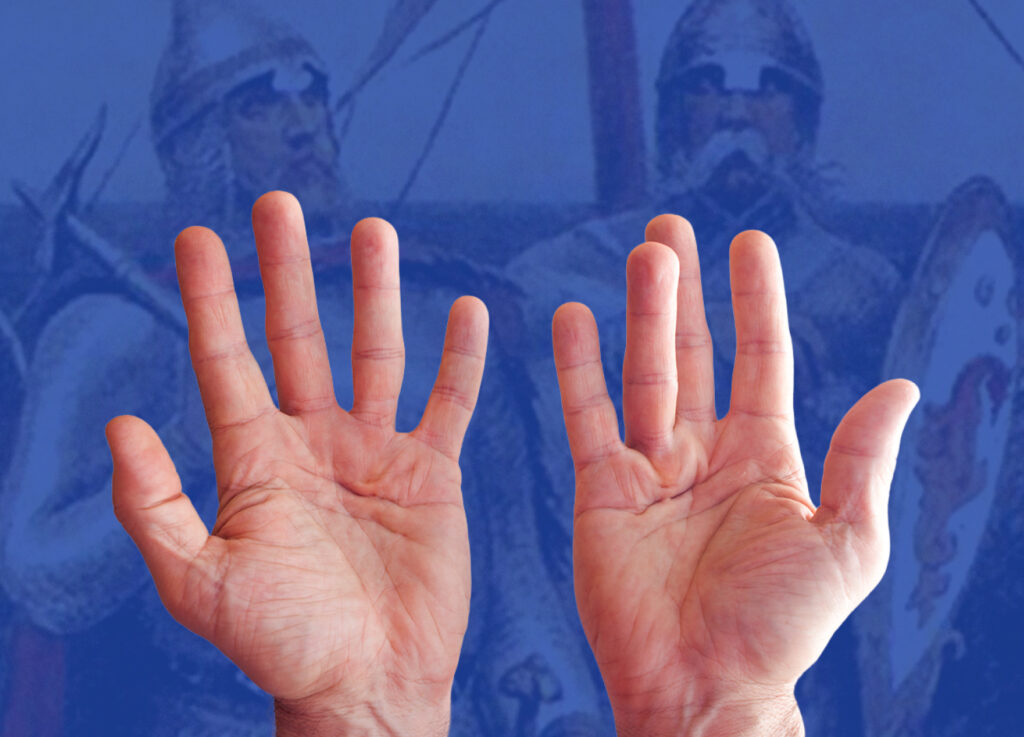
People describe this in different ways. Some say it feels like a small pea or knot in the palm. Others notice that the skin over it starts to look slightly pulled in or dimpled. If more areas develop, these lumps can begin to connect, forming a line under the skin that may extend towards the finger. This line is called a cord, and over time it can start to affect how easily the finger straightens.
This pattern is typical of Dupuytren’s disease.
Expert Non-Invasive Treatment for Dupuytren’s and Ledderhose Disease Across the UK
Dr Richard Shaffer set up Dupuytren’s UK in April 2011 to provide non-invasive treatments for people who suffer from benign conditions such as Ledderhose disease and early-stage Dupuytren’s contracture in the Guildford area. Today, Dupuytren’s UK offers this service to patients throughout the UK.

Why This Happens
Dupuytren’s disease is mainly a genetic condition. Some people are simply more likely to form this type of scar-like tissue in the palm, and most of the time this tendency sits in the background without causing any obvious problems.
However, there are factors that can bring it to light earlier or make it progress more quickly. These include family history, age, diabetes, smoking, alcohol, and repeated strain through the hand.
CrossFit does not cause Dupuytren’s disease. But it does place strong and repeated stress through the exact part of the hand where this condition develops. In someone who is predisposed, that repeated loading can do two things. It can make the early changes more noticeable, and it can also encourage those changes to become more active over time.
This is why some people who train intensively start to notice lumps earlier than expected, or find that they gradually become more prominent. It is not that CrossFit has created the condition, but that it is driving a process that is already there.
That is also why what you do next matters. Ongoing stress to the same area of the palm can continue to stimulate this tissue, whereas reducing that stress can help settle things down.
If nothing is done, early Dupuytren’s changes may remain stable for a long time. In some people, though, they gradually progress. You may notice more than one lump appearing, increasing firmness in the palm, or the development of a cord extending towards the finger. Over time, this can begin to limit how fully the finger straightens. This process is usually slow, but it can vary from person to person.
What Can You Do (Without Stopping CrossFit)?
A common question is whether you need to stop CrossFit. In most cases, the answer is no. CrossFit has clear benefits for overall health, and there is no need to give it up because of early changes in the hand. What is more useful is to think about reducing repeated stress on the same area of the palm.
There are a few practical ways of doing this during training:
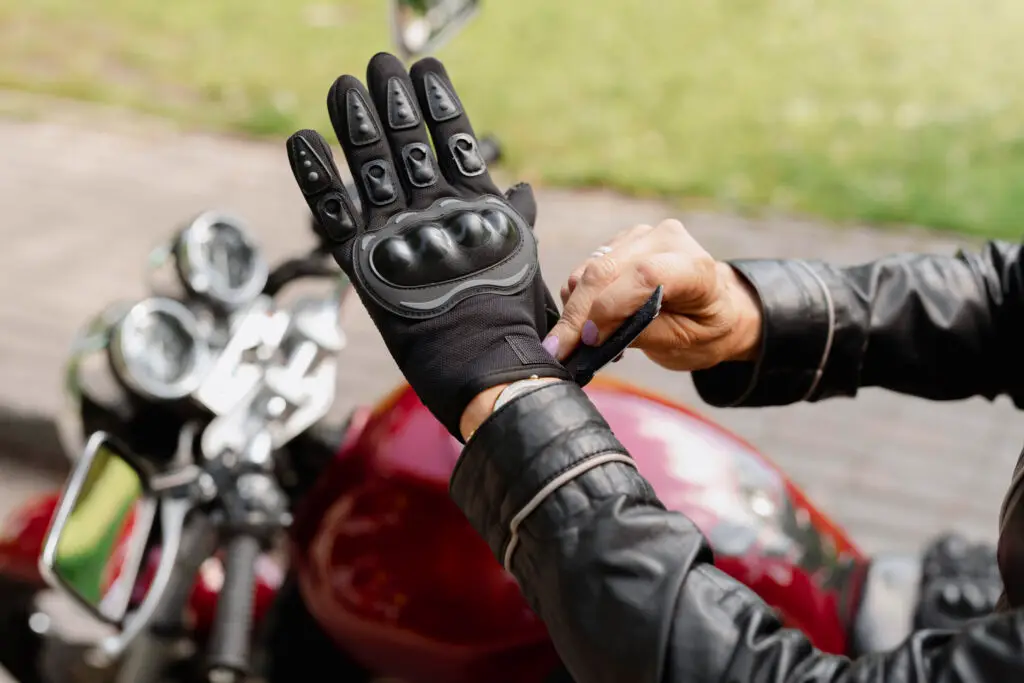
- using grips or palm protectors for bar work
- using wrist straps for heavier lifts to reduce direct load through the hand
- adjusting how the bar or handle sits in the palm
Not everyone will want to change how they train, and that is understandable. However, even small adjustments can reduce ongoing irritation in the same area, and that can make a meaningful difference over time.
Is There Any Treatment?
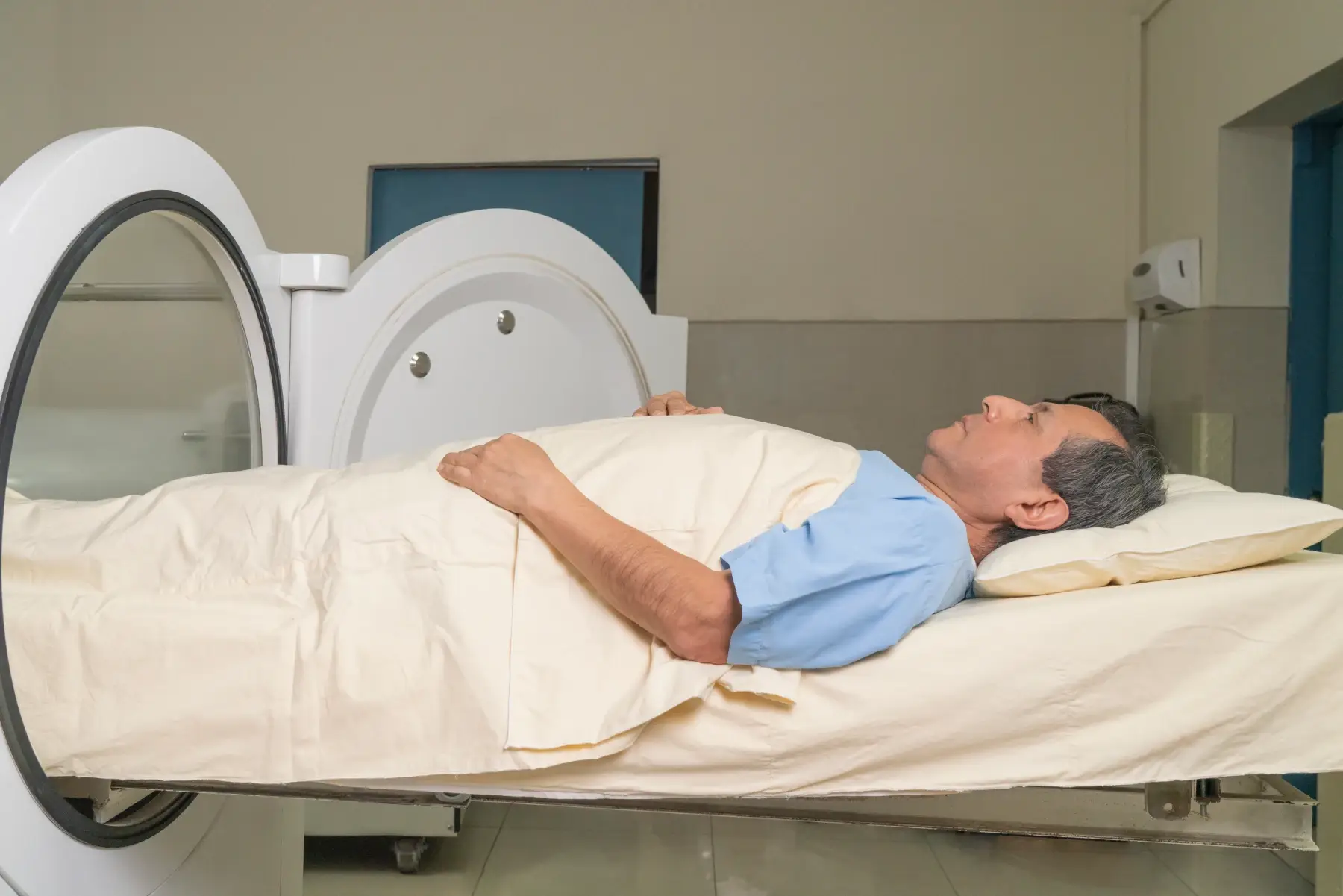
If early Dupuytren’s disease is identified, one option is simply to monitor it over time. In addition, there are treatments that aim to reduce the chance of progression. One of these is radiotherapy, which is used in selected cases of early disease.
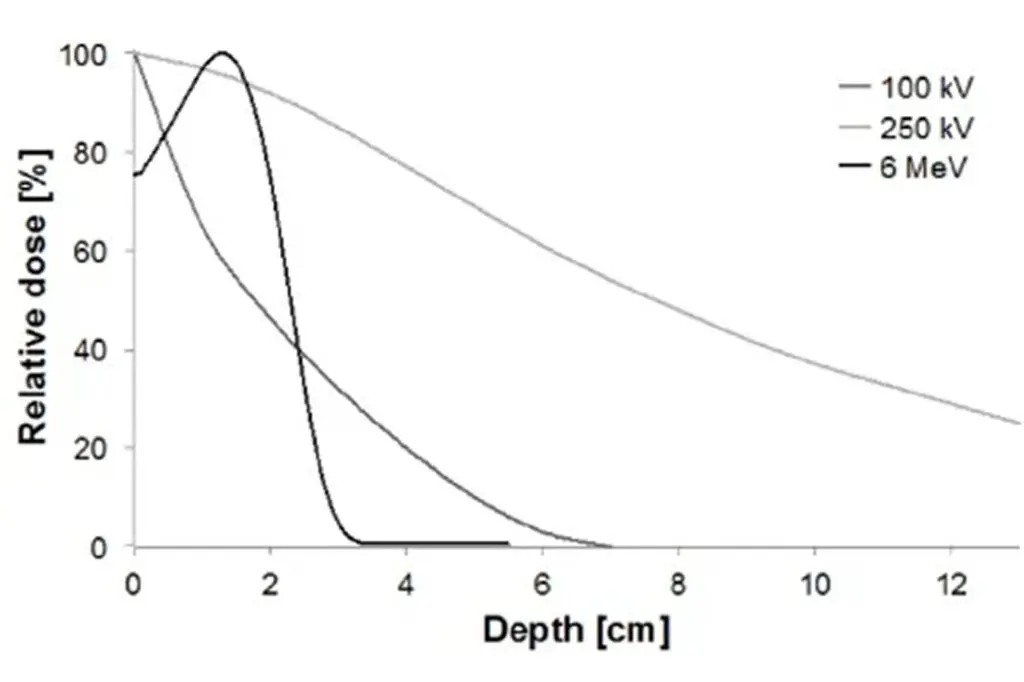
Radiotherapy is a gentle, targeted X-ray treatment that reduces the activity of the cells responsible for producing this excess tissue. The main aim is to stop the condition getting worse and to reduce the risk of the finger tightening over time. In many people the condition stabilises, and in a significant number the lumps can soften or become less noticeable, although this can take many months.
Treatment itself is straightforward. The most common short-term effect is some mild skin redness or soreness, similar to a light sunburn, which settles. In the longer term, the main change is dryness of the skin, which is usually managed with regular moisturiser.
When to Get It Checked
If you have noticed a lump in your palm that feels deeper than a callus, is not settling, or seems to be slowly changing, it is worth having it assessed. Early Dupuytren’s can be subtle, particularly in people who are used to hand changes from training, and distinguishing it from normal calluses is not always straightforward.