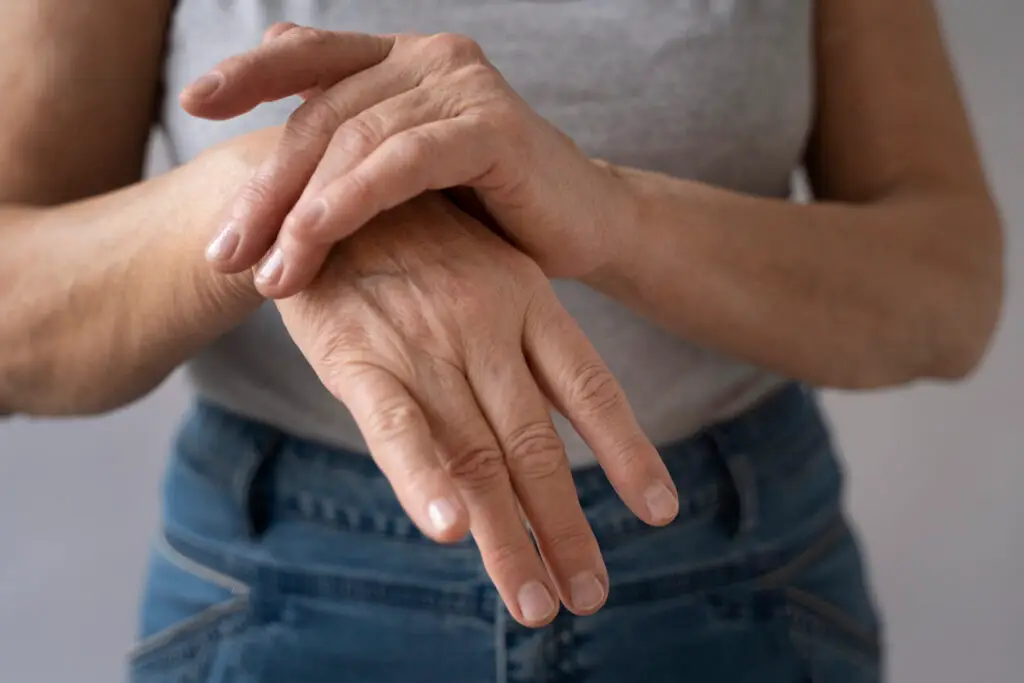
Radiotherapy is well established in early-stage Dupuytren’s disease, but its role after surgery is now gaining attention. This retrospective study explores whether adding radiotherapy soon after surgical release can reduce recurrence rates in Dupuytren’s contracture. With long-term follow-up and favourable safety and satisfaction outcomes, the findings suggest that post-operative radiotherapy may be a valuable adjunct in selected patients while the medical community awaits definitive results from ongoing randomised trials.

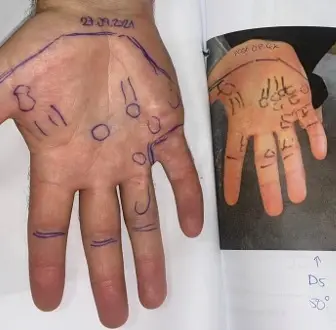
Radiotherapy is a well-established treatment for early-stage Dupuytren’s disease, but does it also offer benefits after surgery? A new retrospective study led by Professor Seegenschmiedt aims to answer that question by evaluating whether early radiotherapy following surgical release can reduce recurrence rates in patients with Dupuytren’s contracture.
Study Overview
The primary objective of the study was to investigate the safety and effectiveness of adding radiotherapy soon after surgical intervention to reduce the risk of recurrence. Conducted by a single physician, the study examined patients who had already undergone various forms of treatment to improve hand function. This focused, clinician-led approach provided consistency in methodology, making the findings particularly relevant to real-world treatment scenarios.
Treatment Methods
| Treatment Type | Details |
|---|---|
| Needle Fasciotomy (NF) | Minimally invasive technique |
| Collagenase Injection (CI) | Limited use due to unavailability |
| Limited Fasciectomy (LF) | More invasive surgical removal of tissue |
- Around 75% of patients had already undergone at least two prior procedures
- Patients were followed for a mean of 5.5 years (minimum 1 year)
The long-term follow-up period added substantial weight to the findings, as it allowed researchers to monitor sustained outcomes, complications, and rates of disease progression or recurrence well beyond the immediate post-treatment window. This study suggests that adding radiotherapy treatment for Dupuytren’s disease following a surgical release may significantly lower the chance of the finger bending back.
Radiotherapy Scheme
| Phase | Dose and Schedule |
| Phase 1 | 15 Gy in 5 fractions over 1 week |
| Phase 2 | Same dose and schedule after a short gap |
The two-phase delivery model aimed to consolidate the therapeutic effects of radiotherapy while also allowing for assessment of initial tissue response and healing.
Timing of Radiotherapy by Procedure Type
| Procedure Type | Timing Post-Procedure |
| NF / CI | 2 to 4 weeks after the procedure |
| LF | 6 to 12 weeks after surgery (healing period) |
Timing of radiotherapy was a critical factor, particularly for limited fasciectomy, where delayed application was necessary to prevent interference with wound healing.
Expert Non-Invasive Treatment for Dupuytren’s and Ledderhose Disease Across the UK
Dr Richard Shaffer set up Dupuytren’s UK in April 2011 to provide non-invasive treatments for people who suffer from benign conditions such as Ledderhose disease and early-stage Dupuytren’s contracture in the Guildford area. Today, Dupuytren’s UK offers this service to patients throughout the UK.

Radiotherapy Implementation Examples
| Example | Phase 1 | Phase 2 |
| Needle Fasciotomy | Wide field (started 4 months later by patient choice) | Wide field again |
| Fasciectomy | Wide field | Excluded the surgical bed |
These examples show flexibility in treatment planning, balancing patient preference, safety, and clinical judgement to optimise outcomes.
Outcomes (Patient-Assessed)
| Outcome | Percentage |
| Excellent | 24% |
| Good | 35% |
| Satisfactory | 16% |
| Poor | 25% |
The combined 59% of patients reporting excellent or good results suggests a strong rate of patient satisfaction with this combined approach.
Side Effects
| Side Effect | Incidence |
| Chronic dryness | 40% |
| Ulceration | None |
| Deep wounds | None |
| Infections | None |
While chronic dryness was a relatively common side effect, more serious complications such as ulceration, infection, or delayed wound healing were not observed, underlining the safety of this regimen.
Recurrence and Progression
- Outcomes were favourable when compared with typical published results from surgery alone
- Radiotherapy after surgery appeared safe and well-tolerated, with a side-effect profile similar to that of primary radiotherapy
- Early signs pointed to good patient satisfaction and a lower risk of recurrence
These findings suggest that radiotherapy may help to modify disease behaviour following intervention, reducing the likelihood of further treatment and potentially extending the interval before recurrence.
Clinical Significance
This is the first known series examining post-operative radiotherapy in Dupuytren’s contracture. The results show promise, suggesting radiotherapy may improve outcomes when added to surgery. The approach appears to be both safe and feasible in the clinical setting.
More definitive evidence will come from the DEPART trial, a prospective randomised controlled study designed to directly compare outcomes in patients who receive radiotherapy following surgical release versus those who do not. Until then, this study provides compelling early evidence to consider radiotherapy as an adjunct in selected post-operative patients.
Contact for More Information
For more details or to discuss treatment options, please contact:
Dr Richard Shaffer
info@dupuytrensuk.com
www.dupuytrensuk.com