Several well-known public figures have lived and worked with Dupuytren’s disease, including Bill Nighy, Sir Steve Redgrave, and Margaret Thatcher. Their stories show how people manage the condition across different careers and lifestyles.

Dupuytren’s disease affects tens of millions of people worldwide, and some of those people are names you would recognise straight away. Olympians, actors, politicians, and musicians have all lived with this condition while keeping up demanding careers. For anyone who has just been diagnosed and is still getting their head around what that means, knowing this may help you feel more encouraged about the future.
Bill Nighy

Bill Nighy is probably the most recognisable person alive with Dupuytren’s disease. The British actor is best known for Love Actually, Pirates of the Caribbean, and his Oscar-nominated role in Living. Both of his hands are affected, and his ring and little fingers curl inward toward his palms.
He first noticed the symptoms in his twenties. He told The Guardian it was alarming when it first came up, and that he knew he probably should have had surgery at the time. He did not go through with it, partly out of fear and partly because life got busy.
Rather than pursuing surgery, Nighy has adapted to the condition and continued working at the highest level of his profession. He has talked about it openly and with dry humour, describing himself as having a “spooky handshake.” He recalled younger actors complimenting what they assumed was a deliberate stylistic choice, with no idea it was a medical condition he had managed for decades.
His approach shows that for some patients, adapting around the condition without surgical intervention is a realistic and sustainable path, particularly when function is not severely limited.
Sir Steve Redgrave
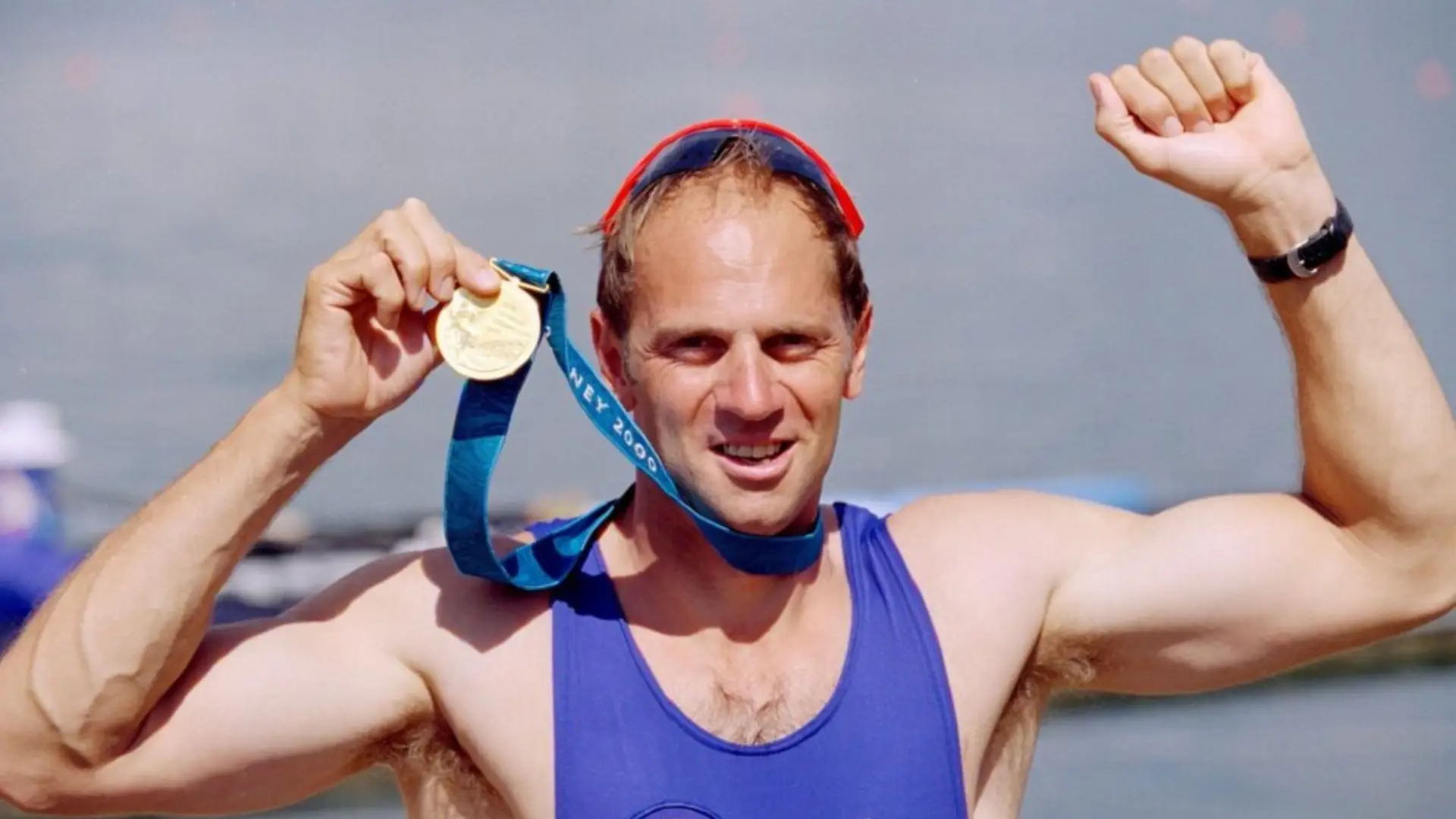
Sir Steve Redgrave is widely regarded as the greatest rower in Olympic history. He won gold medals at five consecutive Olympic Games from Los Angeles in 1984 through to Sydney in 2000, a record no other male endurance athlete has matched. He did all of this while managing Type 2 diabetes, ulcerative colitis, dyslexia and Dupuytren’s contracture.
Ahead of his appearance on ITV’s Dancing on Ice in early 2025, he spoke candidly about how the condition affects him now. The Dupuytren’s stops him from flattening his hands completely, which created a practical concern about falling on the ice and being able to push himself back up.
He has continued managing the condition alongside an active public career in broadcasting and charity work. His approach has been to stay active and adapt, treating the Dupuytren’s as one more challenge to work around rather than a reason to step back.
For patients who worry that the condition signals a decline in what they can do, Redgrave’s continued engagement with physically demanding challenges well into his sixties is a useful point of reference.
John Elway
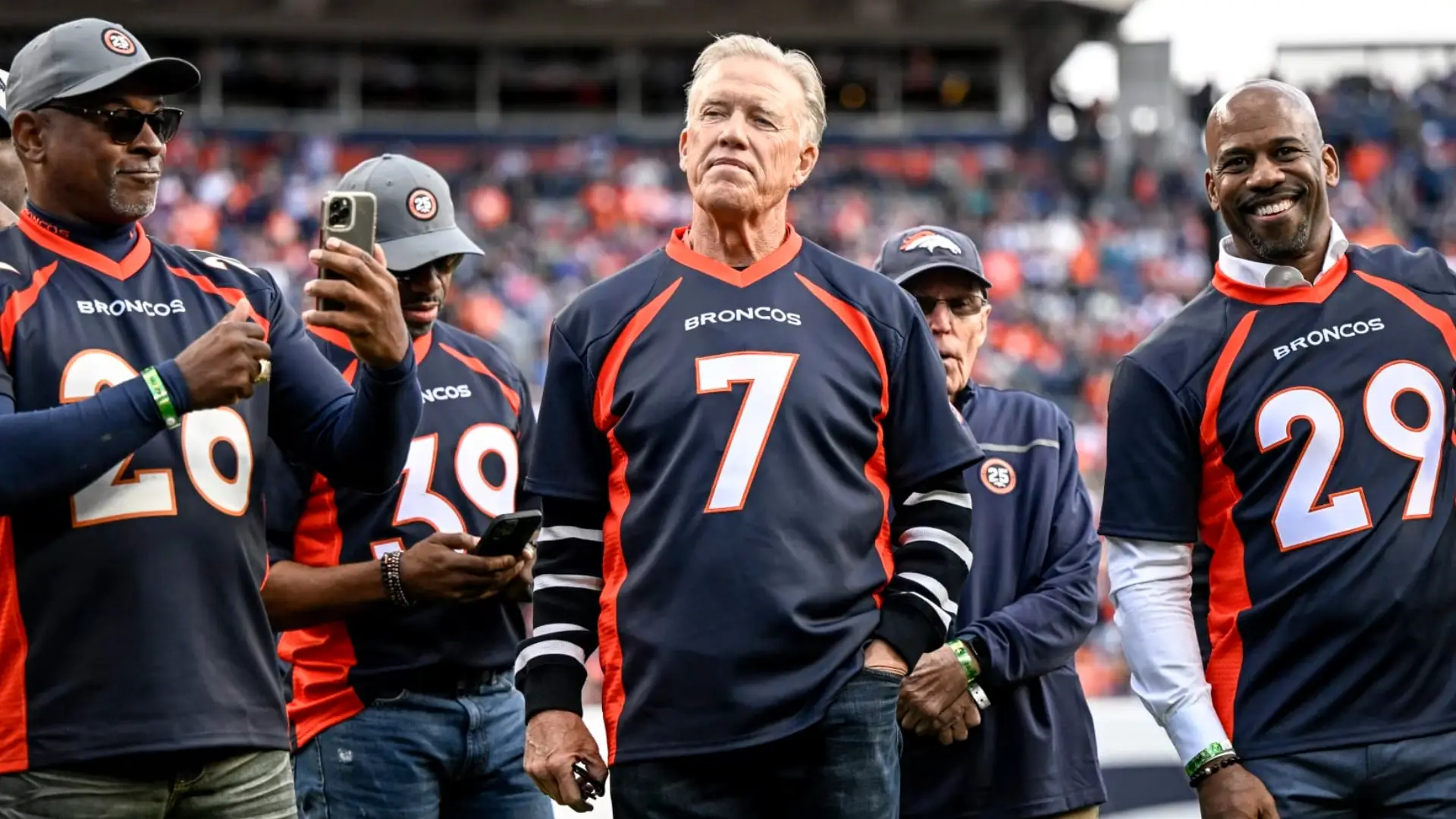
John Elway is a Hall of Fame NFL quarterback who led the Denver Broncos to back-to-back Super Bowl victories in 1998 and 1999. After retiring, both ring fingers started contracting progressively until he could no longer pick up a football with any proper grip.
He spoke about it on NBC’s Today show and described a 15-year journey with the condition. When he first saw a hand doctor, surgery was presented as the only option. Having already gone through numerous operations during his playing career, he had no interest in another one.
Instead, he was treated with Xiaflex (collagenase) injections, which enabled him to have the contractures released in a non-surgical way. He has spoken publicly about Dupuytren’s several times since, motivated by how many people he encountered who had the same symptoms and no idea what they were dealing with.
His case is a strong reminder that non-surgical options have expanded considerably and are worth exploring with a specialist before committing to surgery.
Expert Non-Invasive Treatment for Dupuytren’s and Ledderhose Disease Across the UK
Dr Richard Shaffer set up Dupuytren’s UK in April 2011 to provide non-invasive treatments for people who suffer from benign conditions such as Ledderhose disease and early-stage Dupuytren’s contracture in the Guildford area. Today, Dupuytren’s UK offers this service to patients throughout the UK.

Margaret Thatcher
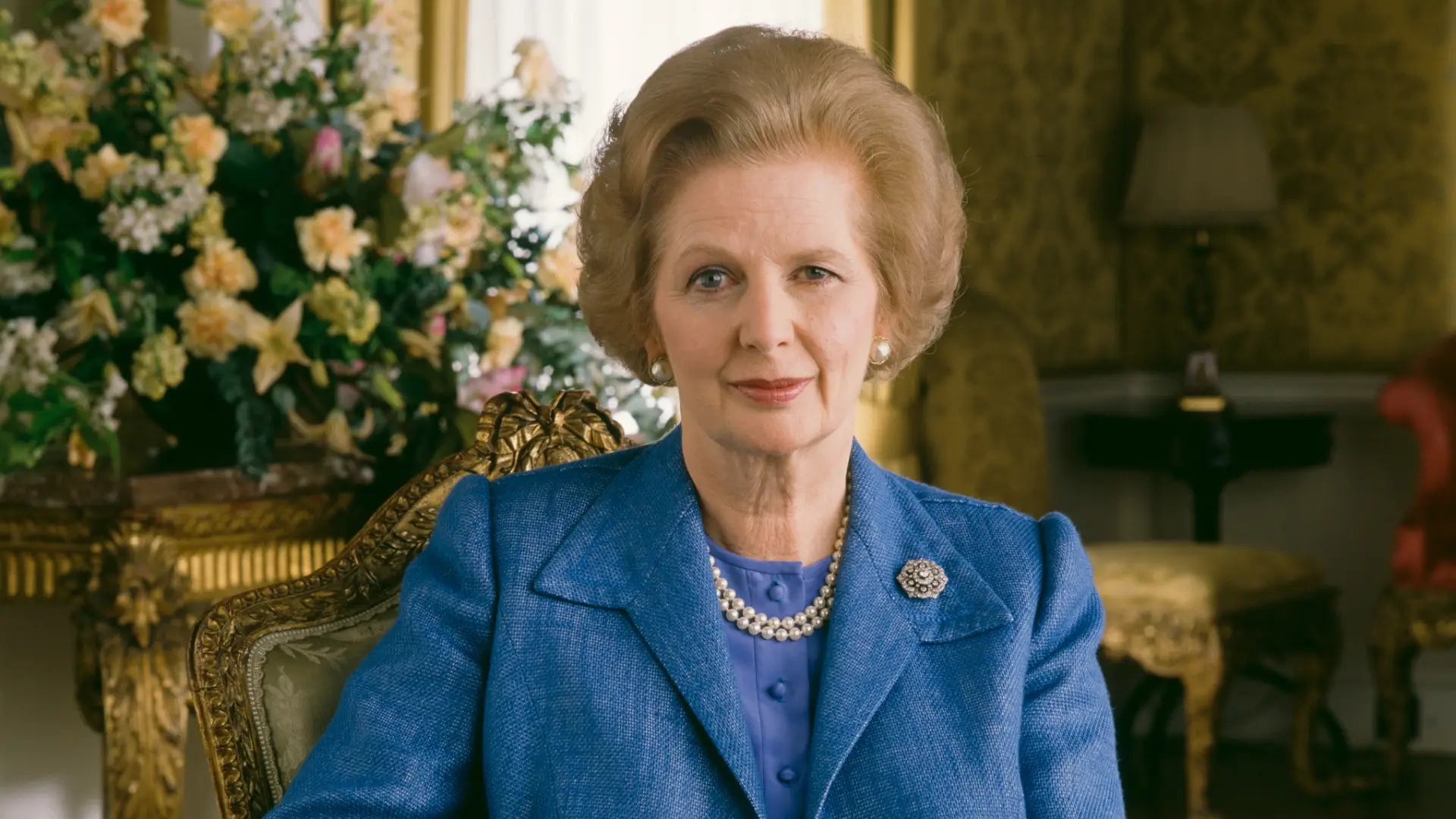
Former British Prime Minister Margaret Thatcher had surgery on her right hand for Dupuytren’s contracture when she was 60 years old. Her case is worth knowing about because Dupuytren’s is diagnosed more often in men than women, and at the time, it reminded people that this is not simply a work-related disease.
She had a surgical fasciectomy to release the contracture and remove the Dupuytren’s tissue. Unfortunately, the contracture recurred following the surgery. Earlier recognition would very likely have meant simpler treatment, more options available to her, and perhaps a better eventual outcome.
Ronald Reagan

President Ronald Reagan was among the many millions of Americans who developed Dupuytren’s disease during his lifetime and had surgery to release a contracture (fixed bending) of his finger. His profile helped bring the condition into broader public conversation at a time when most patients had no name for what was happening to their hands.
Dupuytren’s can make very ordinary tasks genuinely difficult. Shaking hands, wearing a ring, pulling on a glove, and gripping objects at certain angles can all become more awkward as the contracture progresses. Having a sitting president associated with those everyday challenges made it easier for other patients to talk about what they were experiencing.
He continued in one of the most demanding roles in the world while managing the condition. His case helped shift public awareness in the United States during a period when Dupuytren’s was less well understood outside specialist hand surgery settings.
Frank Sinatra
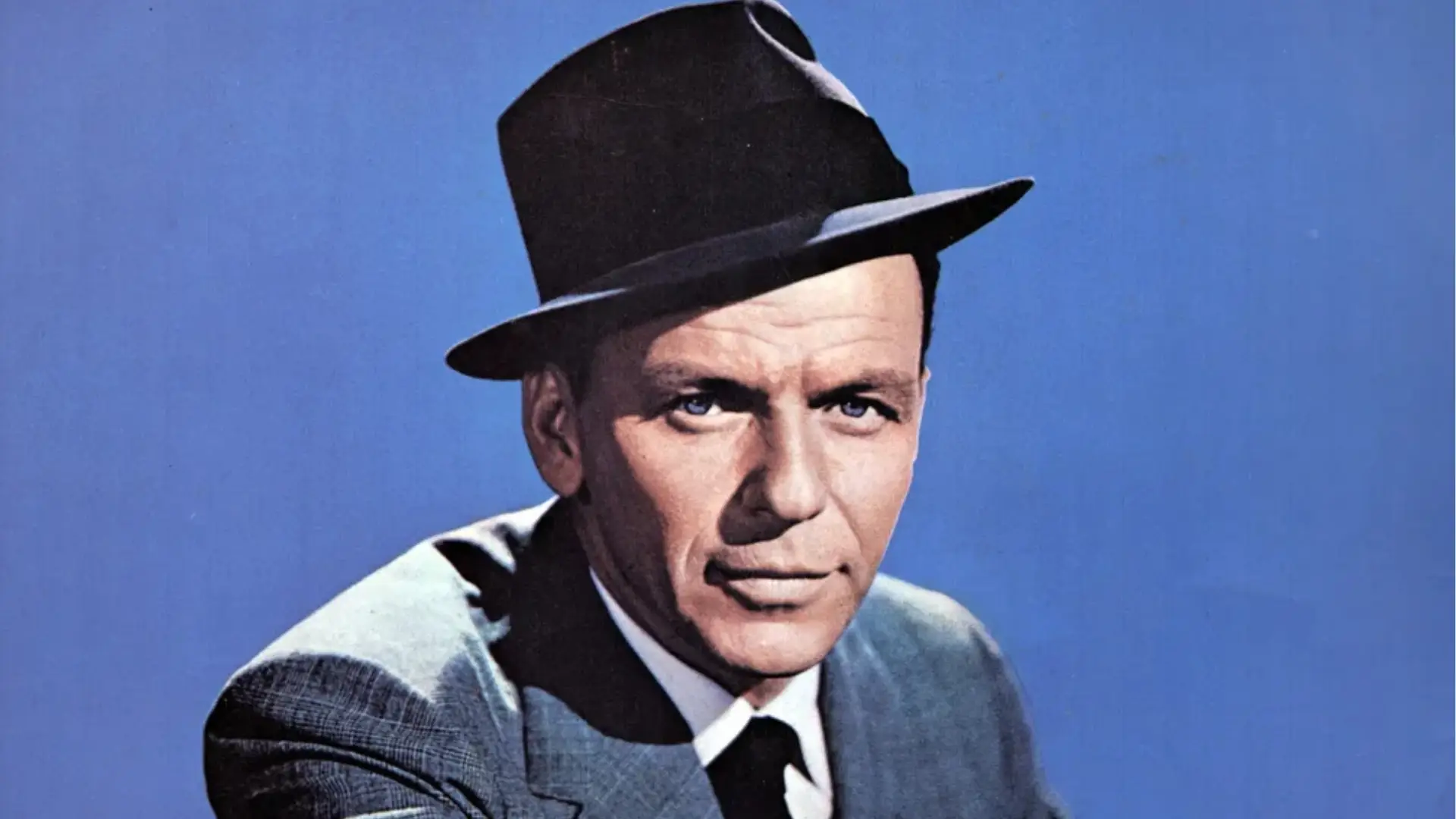
Frank Sinatra is one of the most celebrated entertainers in American history, and he is among the confirmed public figures who lived with Dupuytren’s disease. The condition affected him during the later part of a career that spanned six decades and included recording, film, and live performance into his late seventies. It seems to have come on following a fracture of his little finger during filming of the karate film The Manchurian Candidate (1962).
As we know, the condition did not prevent him from continuing to perform and record at a high level well into older age. For a vocalist and performer, hand function is present in every gesture and every engagement with an audience, but having this condition didn’t stop him.
His case challenges the assumption that Dupuytren’s primarily affects those in physically demanding occupations. The condition affects people across all walks of life, and many of them.
Dave Mustaine

Dave Mustaine is the founder, guitarist, and vocalist of Megadeth, one of the biggest thrash metal bands in history. Dupuytren’s contracture has played a direct role in his decision to bring the band’s career to a close after more than four decades.
Speaking in late 2025, he showed interviewers the visible ridge forming in his palm and described how the contracture was already pulling his finger downward. Combined with severe arthritis in his fingertips, playing guitar had become painful. He said plainly that his hands were letting him down.
His approach to managing the condition has been deliberate. He told interviewers he was holding off on surgery while still able to perform, reasoning that if surgery set him back from a position where he was 95% functional, it would be the wrong call. He planned to complete the farewell tour first, then explore surgical options.
His thinking reflects something specialists often discuss with patients: the timing of surgical intervention for Dupuytren’s depends on how much the contracture is limiting function, and waiting until the time is right is sometimes the most sensible approach.
Ally McCoist
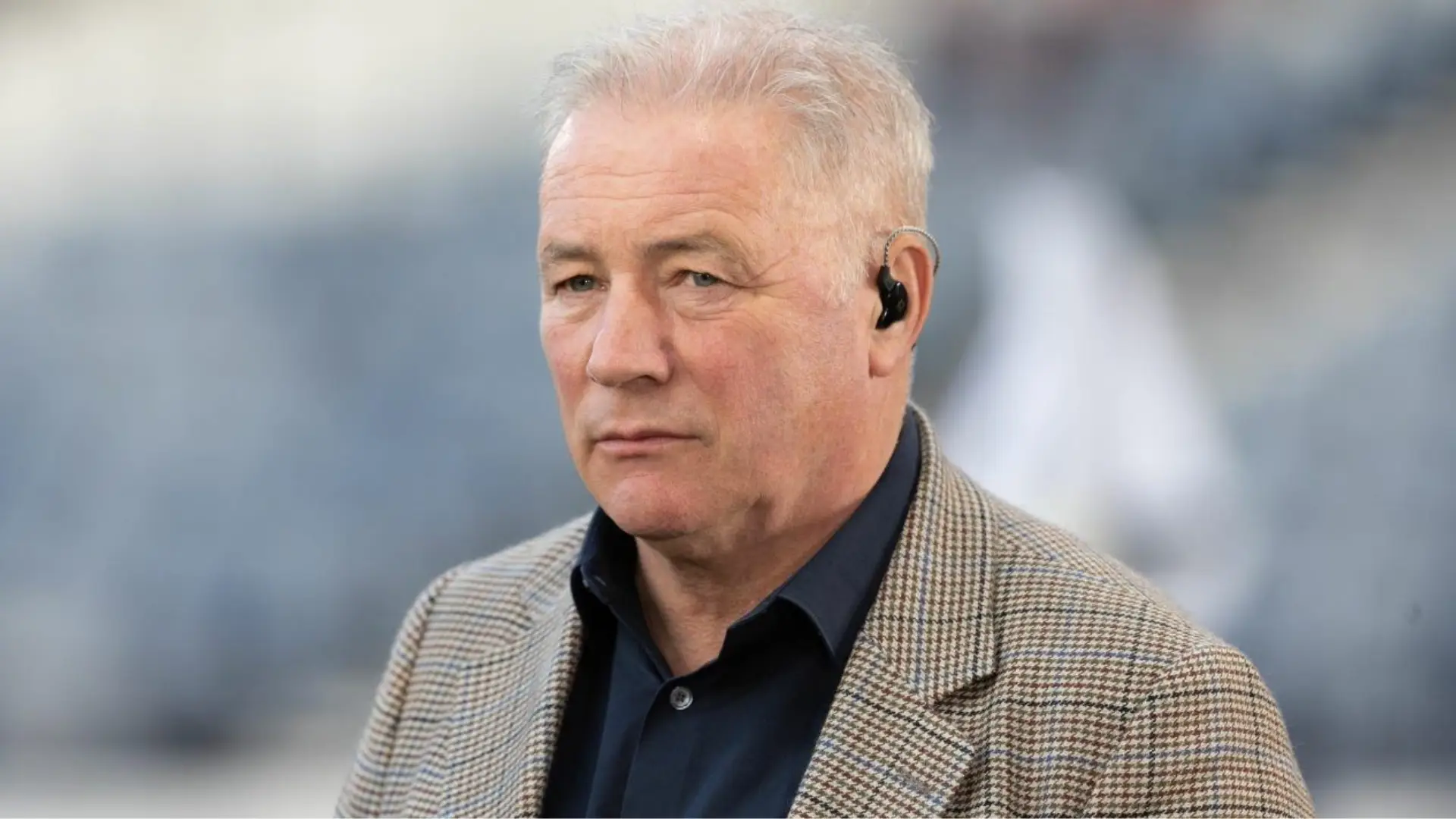
Ally McCoist is one of the most beloved figures in Scottish football, having scored 355 goals for Rangers and won back-to-back European Golden Boots in 1992 and 1993. Since retiring, he has built an equally popular career in broadcasting across talkSPORT, TNT Sports, and ITV. He has Dupuytren’s contracture in both hands.
Speaking on talkSPORT in late 2024, he explained that the condition runs through his entire family, with both parents affected. He described the practical impact clearly, saying the contracture could make sending a text message a five-minute job, as he can only use one finger to type.
He has had two surgical operations to straighten his fingers, and the condition has returned each time. His experience reflects what specialists see with Dupuytren’s: surgery can restore function and provide real relief, but patients may find that the contracture forms again, and patients should be prepared for the possibility of further treatment over time.
McCoist continues to work full-time in broadcasting and handles the condition with characteristic good humour. His openness on live radio has helped many listeners recognise their own symptoms for the first time.
Misha Dichter
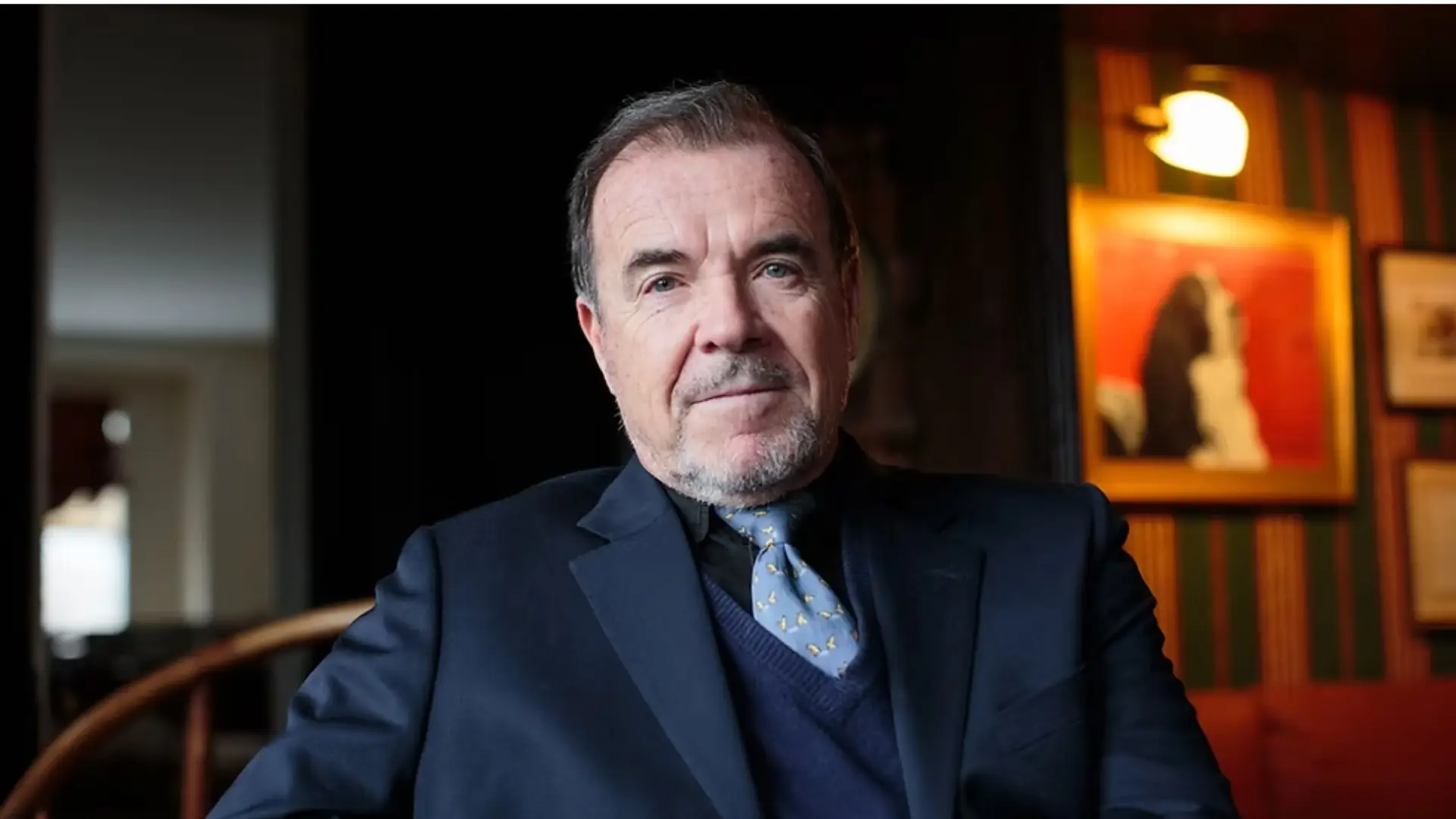
Misha Dichter is a classical pianist who spent his career performing in major concert halls across the world. Dupuytren’s disease put that career in serious jeopardy when progressive contracture stopped him from stretching his hand across the full range of keys.
His father had also been affected by the condition, so it wasn’t a great surprise that he inherited it. What was harder to anticipate was how significantly the contracture affected him before he sought treatment. He had surgery in 2007 and committed to a full rehabilitation programme afterwards, including intensive physiotherapy to rebuild mobility and strength.
He returned to the concert stage performing at the same level as before. His recovery is one of the most well-documented examples of what timely surgical treatment, followed by proper aftercare, can achieve. For patients in any profession where hand function is central to what they do, this outcome offers a great reason to be optimistic.
A Condition That Does Not Have to Define You
These people came from different walks of life, different countries, and different generations. Their experiences with Dupuytren’s varied in severity, timing, and how they each chose to manage it. A 2024 literature review by Khaliq and Orji confirms that the condition’s progression and impact differ widely from person to person. A few things stayed consistent across all of them.
Here is what their stories have in common:
- None of them stopped working or living fully because of the condition
- Several waited longer than was ideal before getting help, often out of fear or not knowing what they were dealing with
- Those who sought treatment found workable options, both surgical and non-surgical
- Talking about it openly made a difference, both for themselves and for others who recognised their own symptoms in the telling
A 2020 systematic review and meta-analysis by Salari and colleagues puts the global prevalence of Dupuytren’s disease at 8.2%, based on data from 85 studies covering over 6.6 million individuals. The condition is more widespread than most people realise, and the majority of those affected have never heard of it before their own hands start to change.
Bill Nighy has filmed major roles with permanently curled fingers since his twenties. Steve Redgrave won five Olympic gold medals while managing serious health conditions, including Dupuytren’s. John Elway recovered significant hand function without a non-surgical approach. Ally McCoist has had two operations and keeps on working. Dave Mustaine is completing a farewell tour on his own terms before deciding his next step.
Each of those outcomes is worth knowing about if you are sitting with a new diagnosis. None of them is an outlier, and none of them happened by chance. They happened because those people sought help and found that workable options were available to them.
If you have noticed changes in your palm or fingers, getting an early assessment gives you the clearest picture of what you are dealing with. The sooner Dupuytren’s disease is identified, the more treatment options are on the table. Speak with Dr Richard Shaffer at Dupuytren’s UK to find out what the right next step looks like for you.