A small lump in the palm may seem like normal wear and tear from years of golf, but it could be an early sign of Dupuytren’s disease. This article explains what to look for, why it happens, and when to seek treatment to maintain hand function and continue enjoying the game.


Noticing Something New in Your Hand
If you have been playing golf for many years, you tend to become very familiar with your hands. You know how the club sits, how your grip feels, and what is normal for you. For most people, these things become second nature over time, which is why any change, even a small one, tends to stand out.
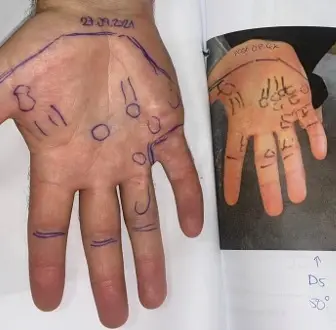
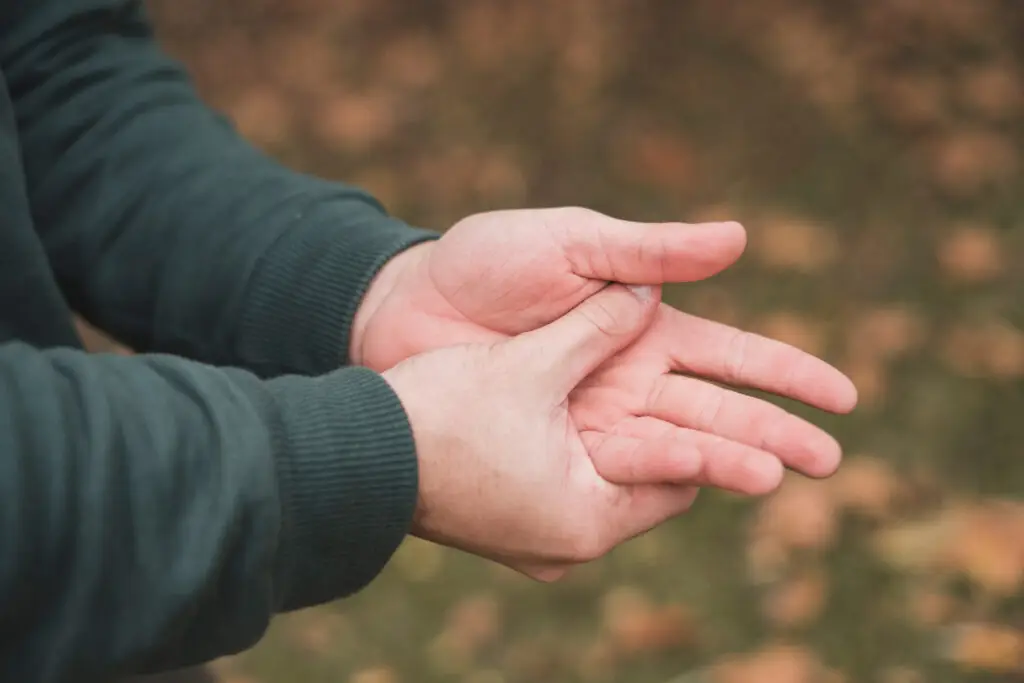
It often begins quite subtly. You may notice a small lump in the palm, perhaps when washing your hands or adjusting your grip on the club. It does not feel like a blister or a callus. Instead, it feels deeper and firmer, and there is a sense that it is not part of the usual wear and tear you would expect from playing regularly.
It is very common to put this down to age or simply to years of using your hands. In many cases, that is a reasonable assumption. However, there are times when a lump like this represents something more specific, and recognising that early can make an important difference.
When It’s Not Just Wear and Tear
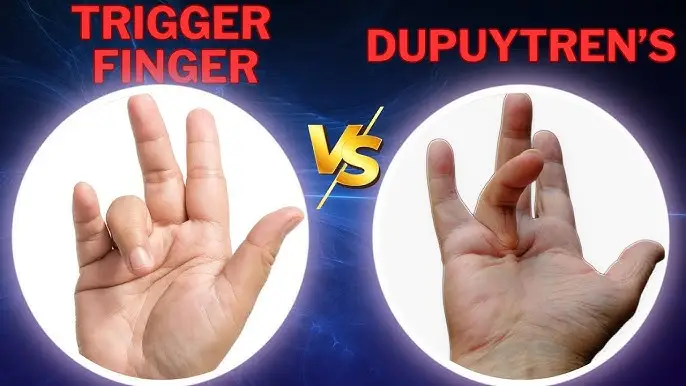
One possible explanation for this type of lump is Dupuytren’s disease. This is not a condition of the skin itself, but of the tissue just beneath it. It typically begins as a small, firm lump in the palm. Over time, that lump can extend into a line running towards the finger, which is known as a cord.
As this process develops, the tissue can gradually tighten. In some people, this leads to the finger no longer being able to fully straighten. In the early stages, however, the changes are often quite subtle. The main sign is simply that something in the palm feels different from what you are used to.
Because golfers are used to feeling changes in their hands, they are often among the first to notice this. The challenge is that it can easily be mistaken for normal changes related to use, and so it is often overlooked in the early phase.
Why It Appears at This Stage of Life
Dupuytren’s disease is mainly driven by genetics. Some people are simply more likely to form this type of scar-like tissue in the hand, and for much of life this tendency remains unnoticed. It commonly becomes apparent in the 50s or 60s, which is why many people first encounter it at a stage when they are playing more golf and enjoying more time for leisure activities.
There are a number of factors that are linked to it appearing or progressing, including general health and lifestyle factors such as smoking, alcohol, and diabetes. Alongside this, repeated use of the hands over many years appears to play a role in how and when the condition becomes noticeable.
Golf does not cause Dupuytren’s disease. However, it does involve repeated gripping of the club in the same area of the palm, along with small but regular impacts each time the ball is struck. Over time, this creates ongoing pressure through the same part of the hand. In someone who is predisposed, that repeated stress can bring the condition to light earlier and may also encourage it to become more active.
In that sense, golf is not the underlying cause, but it can influence how the condition behaves once it has started.
What It Means Over Time
In many people, early Dupuytren’s changes remain mild and do not progress significantly. A small lump may be present for years without causing any real difficulty. However, in others, the condition gradually evolves. The lump can become firmer, additional areas may develop, and a cord can begin to form, extending towards the finger.
Over time, this can lead to the finger slowly bending towards the palm. This change is usually gradual, but it can become functionally important if it progresses far enough. Everyday activities, such as placing the hand flat on a surface, putting the hand into a pocket, or shaking hands, can become more difficult.
For most golfers, the immediate concern is not that they are unable to play. In the early stages, grip strength is usually preserved and the ability to hold the club remains intact. The more relevant concern is what may happen over time, particularly if the condition continues to progress.
Golf is often an important part of life at this stage, not just as a form of exercise, but as a way of maintaining routine, social contact, and enjoyment. Preserving that matters, and it is one of the reasons why early recognition of this condition is important.
Expert Non-Invasive Treatment for Dupuytren’s and Ledderhose Disease Across the UK
Dr Richard Shaffer set up Dupuytren’s UK in April 2011 to provide non-invasive treatments for people who suffer from benign conditions such as Ledderhose disease and early-stage Dupuytren’s contracture in the Guildford area. Today, Dupuytren’s UK offers this service to patients throughout the UK.

Do You Need to Change Anything?
In most cases, there is no need to stop playing golf. The benefits of staying active are clear, and continuing to play is both reasonable and encouraged.
What is worth considering, however, is how to reduce repeated pressure through the same area of the palm. Small changes in how the hand interacts with the club can reduce ongoing stress to the tissue, particularly if a specific spot is being loaded repeatedly over time.
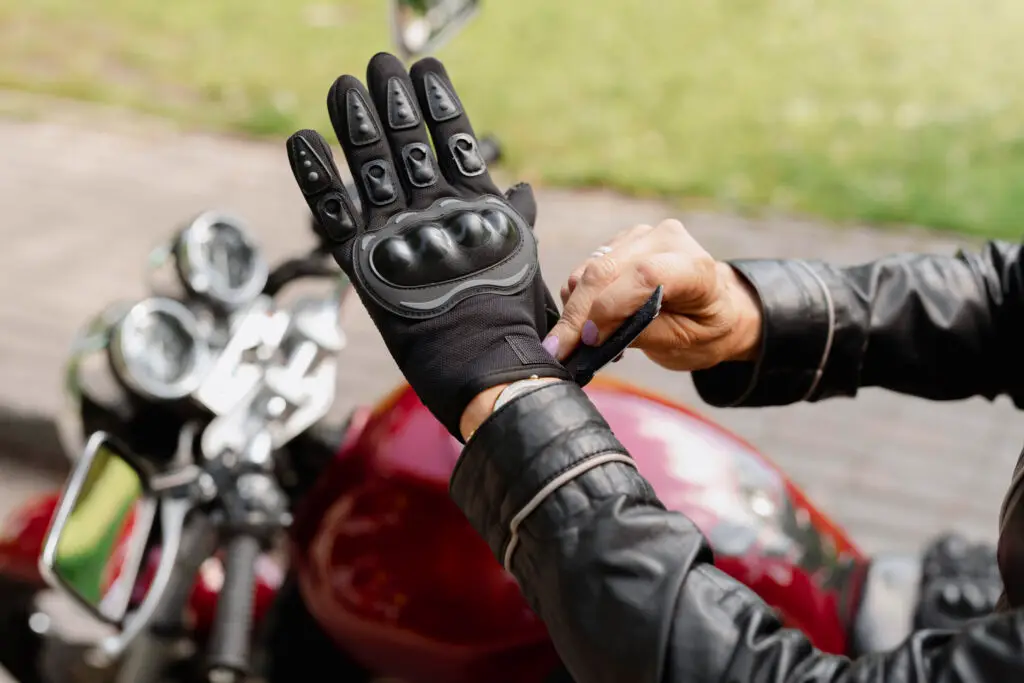
This may include ensuring that your glove fits well and provides adequate cushioning, considering slightly softer or thicker grips on the club, and being mindful of grip pressure, especially during longer practice sessions. These are generally simple adjustments, and many people find that they can make them without affecting their enjoyment of the game.
Is There Any Treatment?
If early Dupuytren’s disease is identified, one option is simply to monitor it over time. However, there are also treatments that aim to reduce the chance of progression, particularly when the condition is still in its early stages.
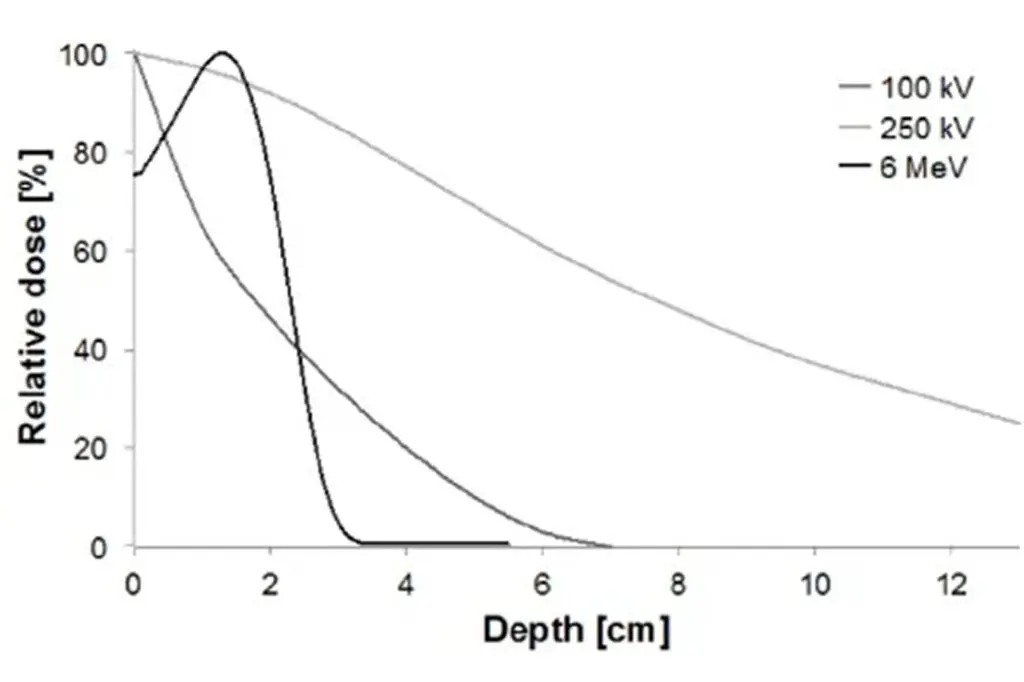
One of these is radiotherapy. This is a gentle, targeted X-ray treatment designed to reduce the activity of the cells responsible for producing this excess tissue. The main aim is to slow or stop progression and to reduce the likelihood of the fingers tightening over time.
In many people, the condition stabilises following treatment. In a significant proportion, the lumps can also soften or become less noticeable, although this tends to occur gradually over several months.
Treatment itself is straightforward. The most common short-term effect is mild skin redness or soreness, similar to a light sunburn, which settles. In the longer term, the main change is dryness of the skin, which is usually managed with regular moisturiser.
When to Get It Checked
If you have noticed a lump in your palm that feels deeper than the skin, is not going away, or seems to be slowly changing, it is worth having it assessed.
Most people can continue playing golf without any difficulty, but a lump in the palm can sometimes be the first sign of a condition that, over time, may cause the fingers to bend. Recognising it early allows you to understand what is happening and consider your options, helping you to protect both your hand function and the activities that matter to you.