Radiotherapy for Dupuytren’s and Ledderhose disease is usually well tolerated, but proper aftercare is important. This guide explains common skin changes, how to care for treated areas, activity precautions, and what to expect during recovery.
Radiotherapy for Dupuytren’s and Ledderhose disease is very well tolerated. Most side effects are mild and settle on their own.
What matters most is how you look after the skin in the weeks after treatment, and understanding what changes are normal.
Early Skin Changes
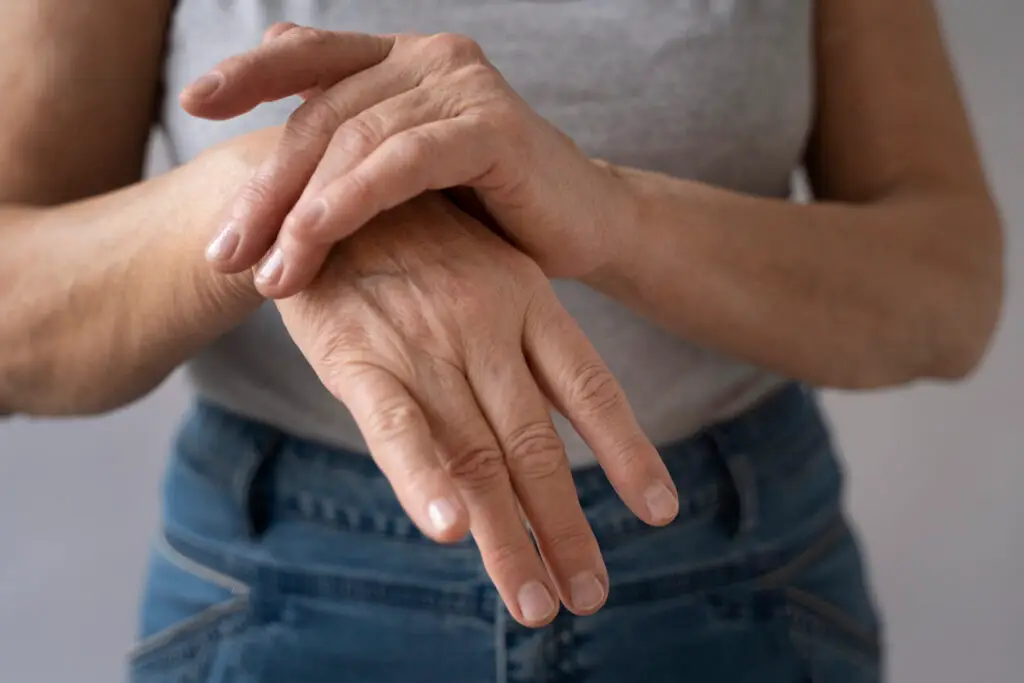
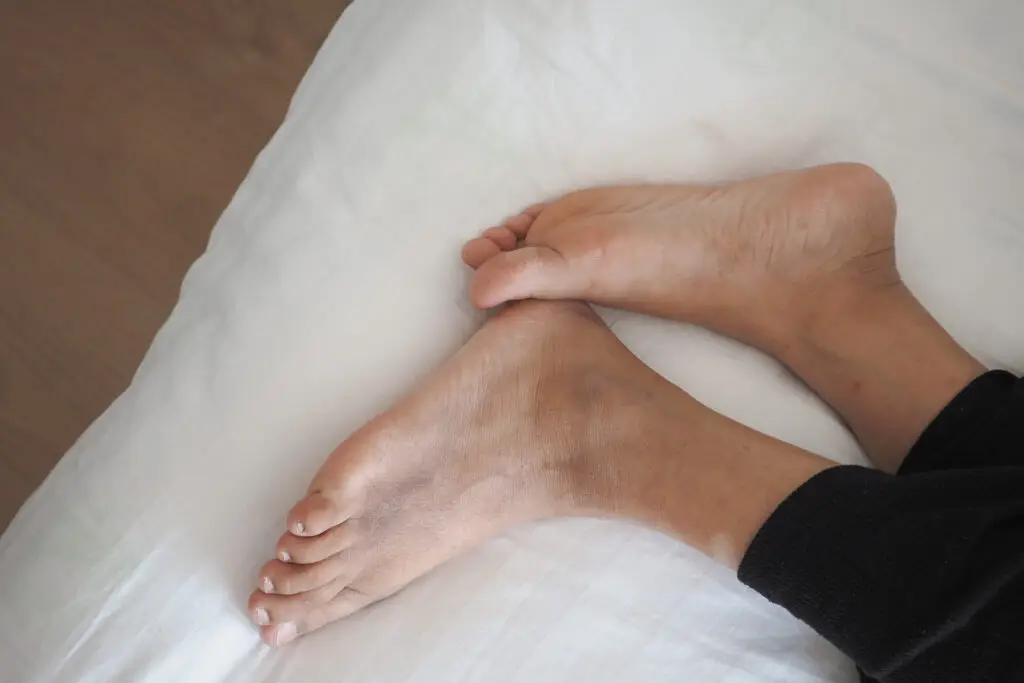
A few weeks after treatment, the skin in the treated area may become red, dry, or slightly sore. Some people notice itching, tingling, or a mild burning feeling. Occasionally, there may be a bit of swelling.
These changes usually begin around 2–3 weeks after treatment and are a bit like a mild sunburn. They tend to settle over the following weeks. A small number of people notice longer-term dryness or some thickening of the skin.
Looking After Your Skin
Radiotherapy reduces the natural oils in the skin, so dryness is common. The aim is to keep the skin comfortable and protected while it recovers. Use a simple moisturiser once or twice a day, especially before bed, and avoid perfumed creams or products with added ingredients that may irritate the skin. During treatment, it’s best to keep things simple.
Some people find urea-based creams helpful, but lower strength creams (around 4–5%) are usually best, as stronger creams can sometimes sting or irritate. If a cream stings or makes the skin feel worse, stop using it and switch to something simpler.
Activity and Protecting Your Hands or Feet
You can usually carry on with normal daily activities such as typing, driving, or walking. However, the treated skin is more sensitive for a few weeks.
A simple rule is this: if the skin is red, dial things back.
That may mean reducing what you are doing, avoiding certain activities, or protecting your hands more carefully. This is because the skin is more vulnerable to damage during this time.
For about 4 weeks after each week of treatment, try to avoid:
- Heavy lifting
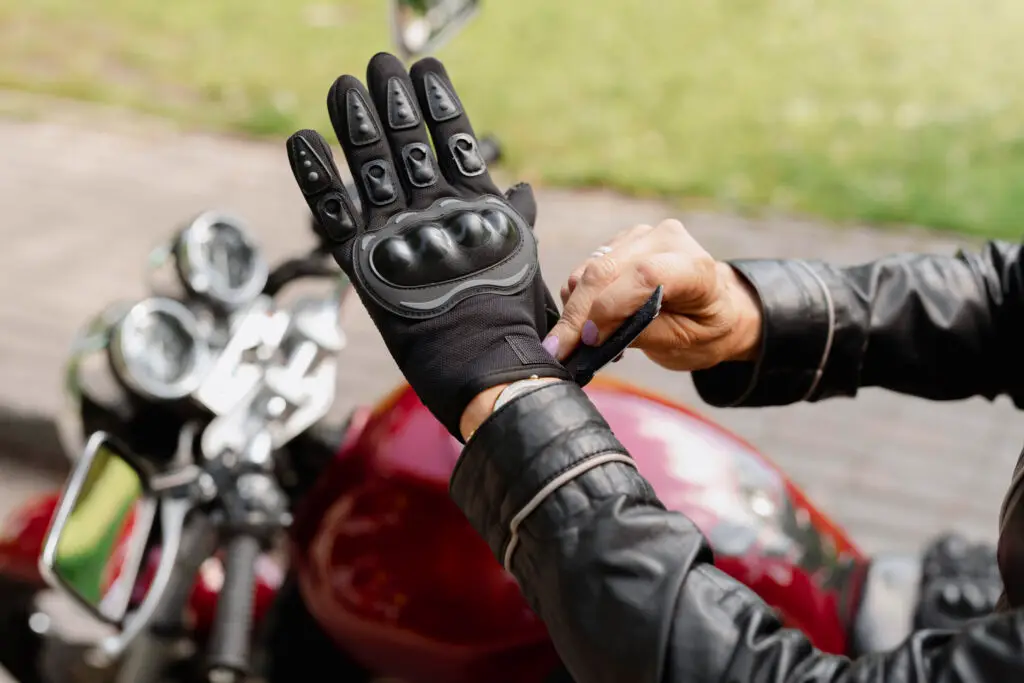
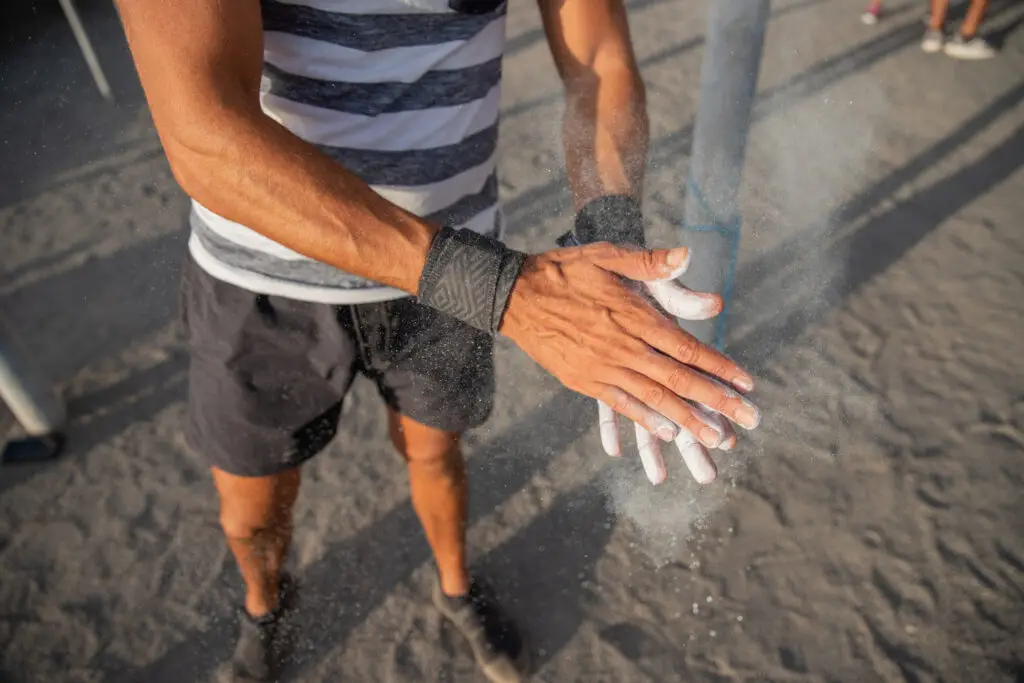
- Strong gripping or repeated friction (for example ropes, tools, or climbing)
- Extreme heat or cold
Irritating chemicals such as alcohol-based products
Changes in Nodules After Treatment
It is quite common for nodules to change after radiotherapy. They may feel firmer, seem slightly larger, or become more noticeable for a time. This is a normal response and does not mean the treatment has failed.
Things can go up and down over the first year, and this can be difficult to interpret if you are checking frequently. Radiotherapy works slowly, and it can take up to a year to see the full effect, so it is important not to judge the result too early.
Follow-Up and Reassurance
You do not need to keep checking your hands or feet frequently. Looking too often can make normal changes seem more significant than they are.
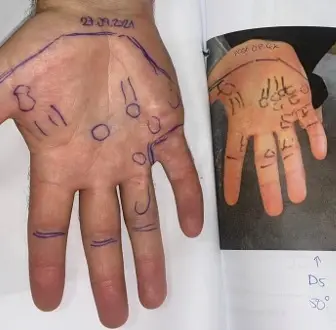
A better approach is to take a photo around the time of treatment, or just after. You may also find it helpful to note or mark where you can feel nodules. You can then review things roughly every three months, which makes it much easier to see real changes over time rather than small day-to-day differences.
Expert Non-Invasive Treatment for Dupuytren’s and Ledderhose Disease Across the UK
Dr Richard Shaffer set up Dupuytren’s UK in April 2011 to provide non-invasive treatments for people who suffer from benign conditions such as Ledderhose disease and early-stage Dupuytren’s contracture in the Guildford area. Today, Dupuytren’s UK offers this service to patients throughout the UK.

When to Get Back in Touch
You should get back in touch if skin reactions are not settling over time, or if you notice new nodules, particularly outside the treated area.
If new disease develops outside the treated area, this can be considered for treatment at any time. If it develops within a previously treated area, further radiotherapy may be possible, usually after at least one year.
If you develop a contracture, where your fingers no longer straighten as they previously did, you may need to see a hand surgeon. You are always welcome to come back to discuss this.
Summary
Look after the skin with simple moisturisers and avoid unnecessary irritation. For about four weeks after each week of treatment, avoid stressing the treated area, particularly if the skin is red.
Expect some changes in nodules during the first year, and try not to read too much into short-term changes. Be patient — the final result takes time, often up to a year.