

Could That Lump In Your Palm Be Dupuytren's Disease?
The most common early signs explained
Many people first discover Dupuytren's disease by accident.
They notice a small lump in the palm while washing their hands, applying hand cream, or shaking somebody's hand. Often, it causes no pain and little inconvenience, making it easy to dismiss.
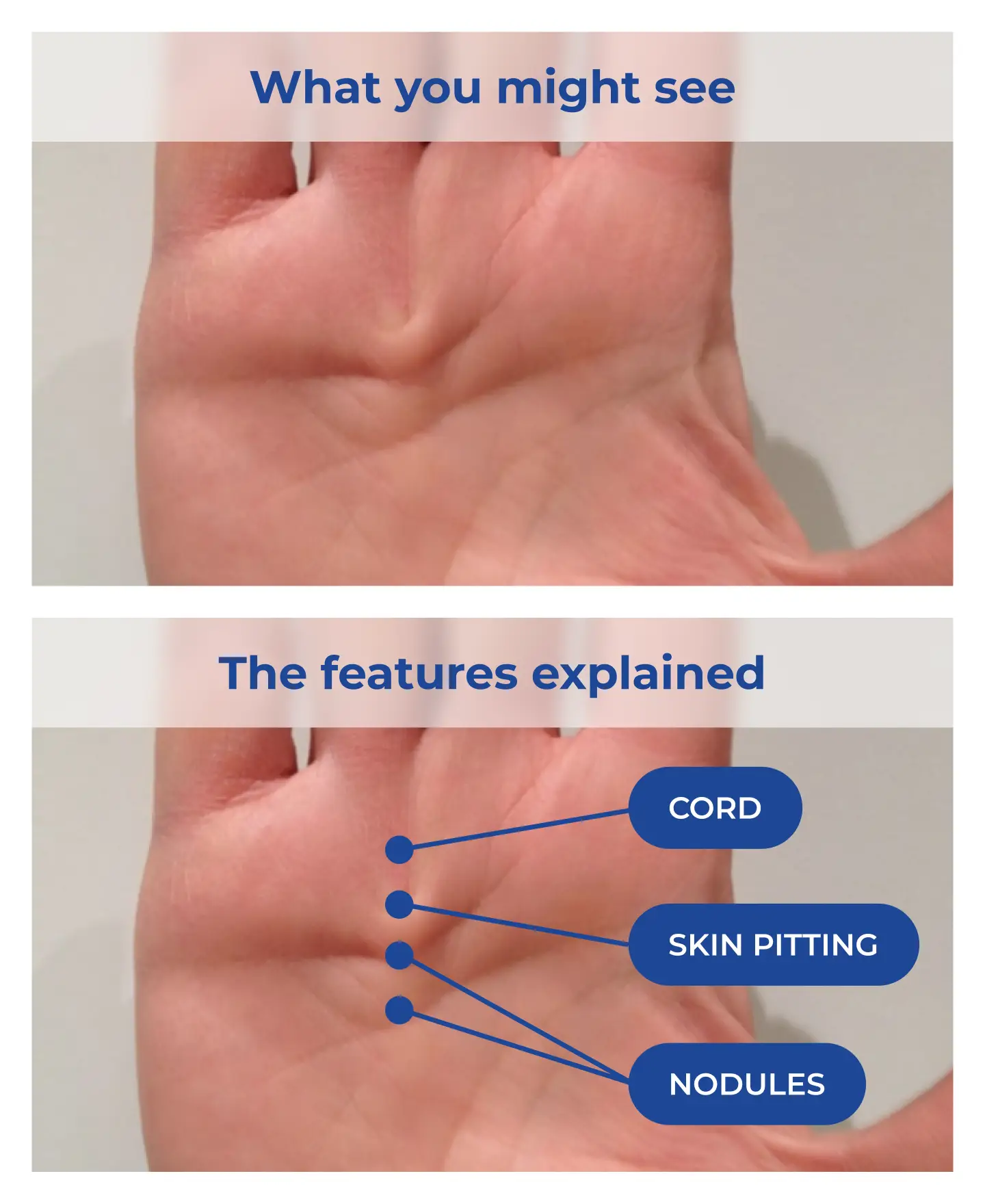
The image in this section shows some of the common features seen in early Dupuytren's disease. Not every person develops all of these changes, and the condition can look quite different from one hand to another.
- You Do Not Need All Of These Features
Some people have just a single lump. Others develop skin pitting, cords, or several nodules. Dupuytren's disease can look quite different from one person to another. If you recognise any of the features shown above, particularly if they are new or changing, it may be worth seeking specialist advice.
Do Any Of These Sound Familiar?
Many people with Dupuytren's disease notice one or more of the following:
A lump in the palm
Thickening beneath the skin
A dimple or pit in the skin
A cord running through the palm
New lumps appearing over time
Tightness when stretching the fingers
Fingers beginning to bend
Family members with similar hand changes
You do not need to have all of these features. Even a single lump in the palm may be worth having assessed.
What Are Nodules, Cords And Contractures?
Patients often hear these terms but are not always sure what they mean.
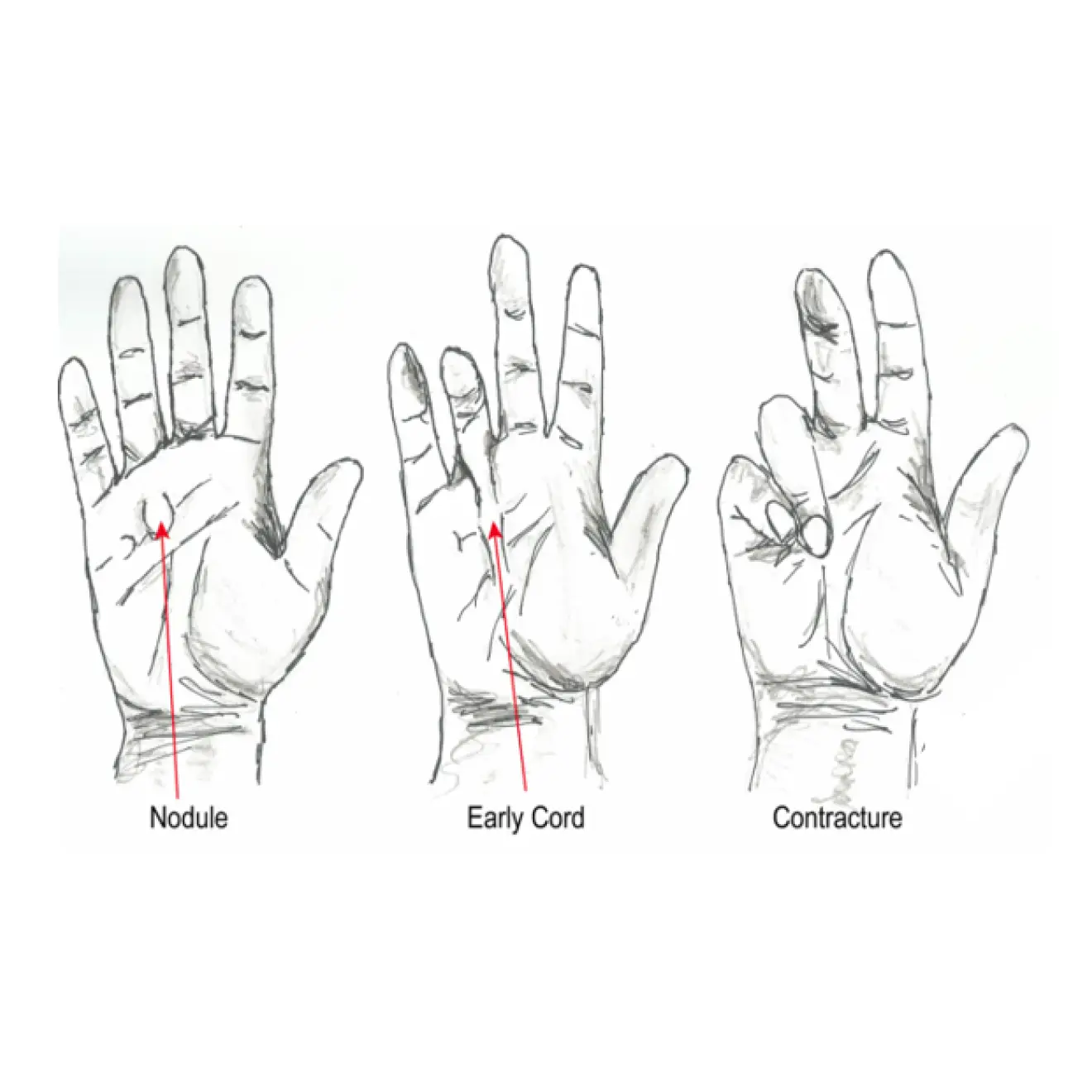
Nodule
A nodule is a firm lump beneath the skin of the palm. This is often the first thing people notice.
Cord
A cord is a rope-like thickening beneath the skin. Despite what many people assume, cords are often present long before any finger bending develops.
Contracture
A contracture occurs when a finger can no longer fully straighten. This is the stage that often begins to interfere with everyday activities.
Why Does Dupuytren's Disease Develop?
Dupuytren's disease is primarily a genetic condition.
Cells within the tissue beneath the skin become overactive and gradually produce excess scar-like tissue. This process leads to the formation of nodules and cords.
Exactly why the condition develops remains incompletely understood, but inherited genetic factors appear to play the most important role.
Many patients can identify a parent, grandparent or sibling who experienced similar hand changes.

Who Is Most Likely To Develop Dupuytren's Disease?
Dupuytren's disease is common and affects around two million people in the United Kingdom. Factors associated with a higher likelihood of developing the condition include:
- Increasing age
- Family history
- Northern European ancestry
- Male sex
- Diabetes
- Smoking
- Heavy alcohol consumption
Although more common in men, women frequently develop Dupuytren's disease too.
Will It Get Worse?
This is one of the most common questions patients ask.
Unfortunately, there is no simple answer.
Some people experience little change over many years. Others develop additional nodules, more extensive cords and increasing finger bending.
The important thing is not simply what the hand looks like today, but also whether it appears to be changing over time.
This is one of the main reasons patients seek specialist assessment. Understanding whether the disease is stable or progressing often helps guide future treatment decisions.
Most UK Medical Insurances Cover This Treatment
Radiotherapy treatment at Dupuytren’s UK is covered by most major private medical insurance providers and we also offer a range of self-pay options.
Your treatment at Dupuytren’s UK can be funded by a number of private medical insurance providers, including Bupa, Vitality and WPA. Other private medical insurance providers may fund your treatment on a case-by-case basis. All our services are available for patients who are looking to self-pay too. We accept a variety of payment methods and will provide you with a detailed quote for your treatment. If you’d like an estimate of the costs for your care, contact us through the “Contact” page.


When Is It Worth Seeking Advice?
It may be worth seeking specialist advice if:
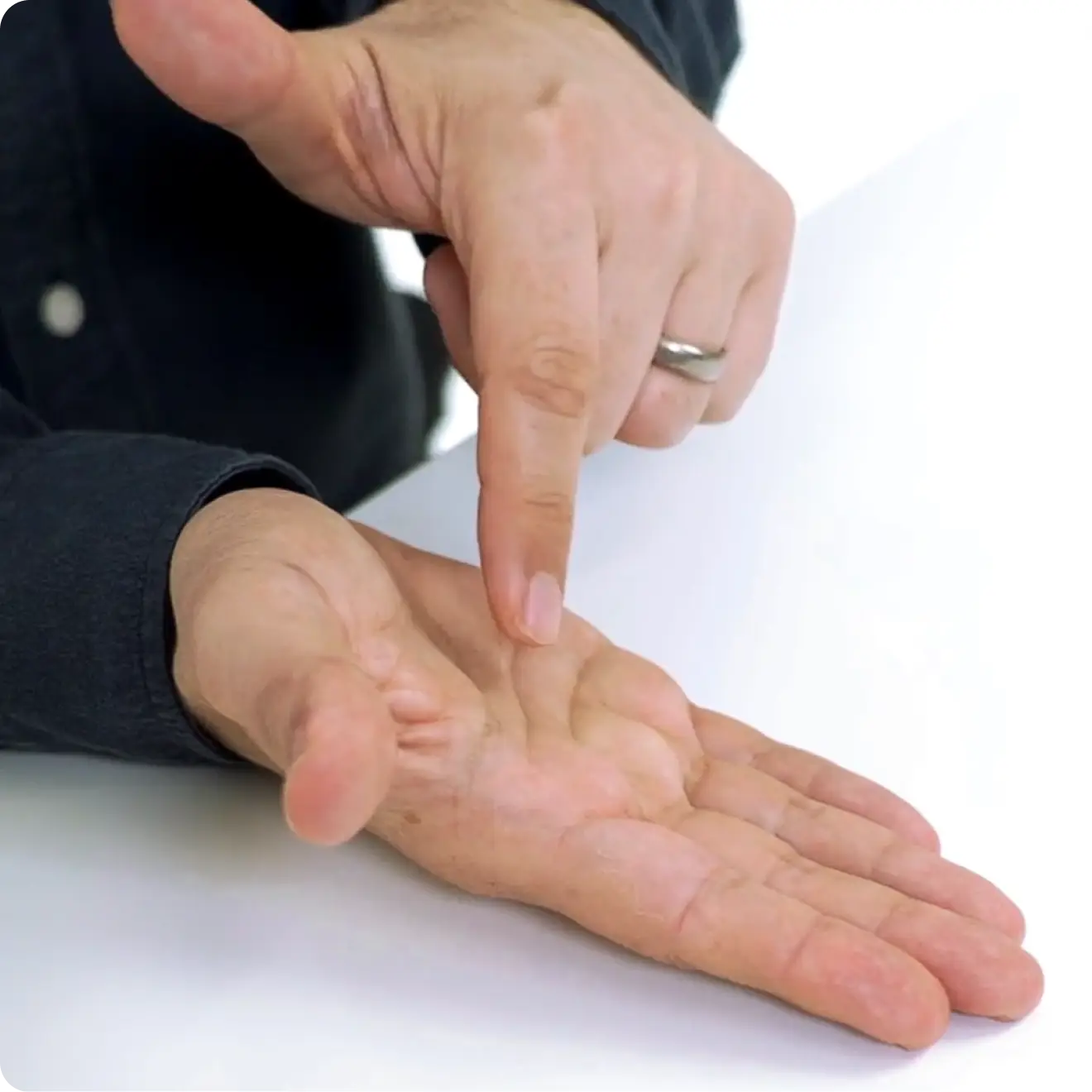
You have discovered a new lump in your palm
Existing nodules appear larger
New areas are developing
The condition seems to be changing
Your fingers are beginning to bend
You would like to understand what treatment options may be available
Early assessment can help establish whether the condition appears stable or whether there are signs of progression.