This article walks through the process step by step, so you know exactly what to expect from the consultation through to the treatment sessions themselves.

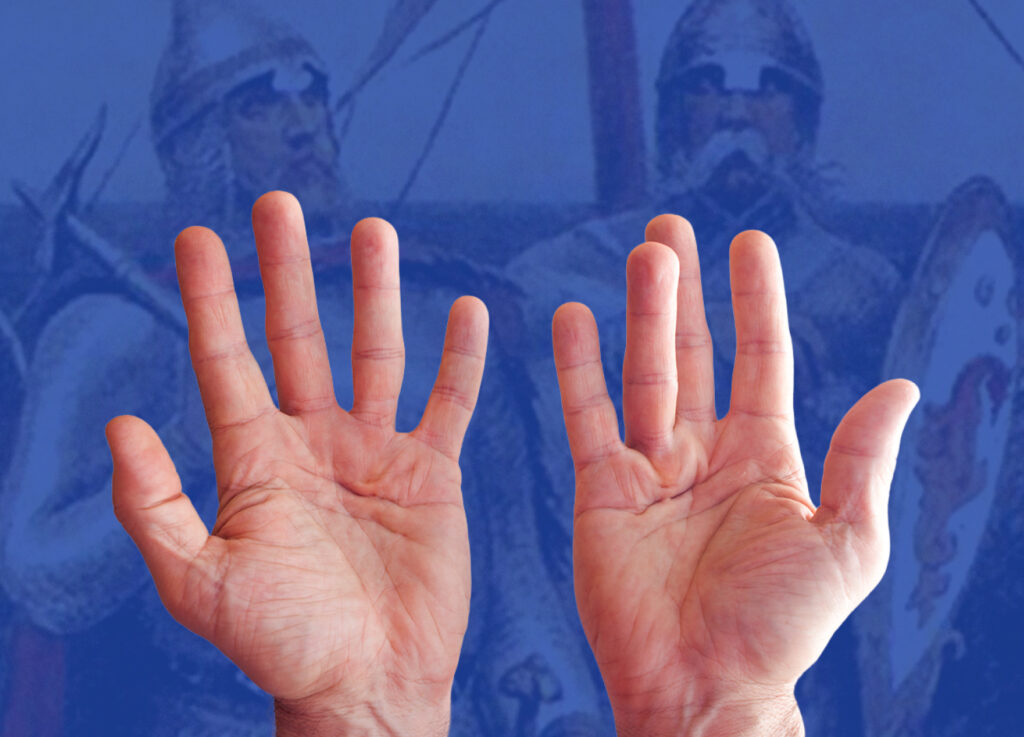
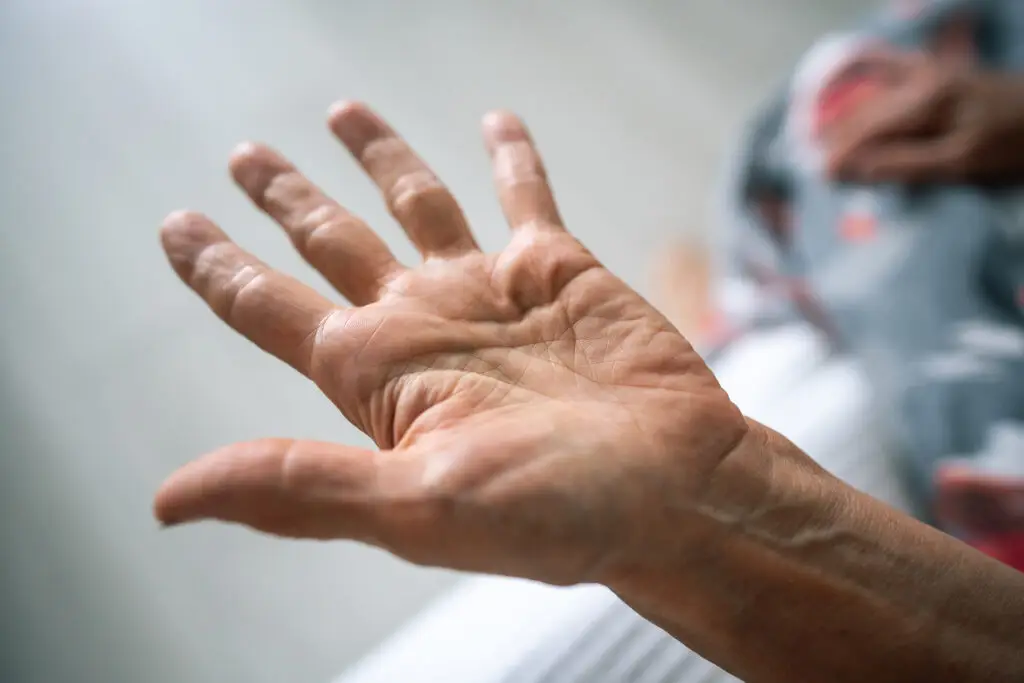
The consultation itself is usually around 30 minutes. We talk through when you first noticed the disease, whether it has been changing, and what symptoms it is causing. I will then examine the hands carefully, assessing the nodules, cords, skin changes, and whether there is any loss of finger movement or flexibility.
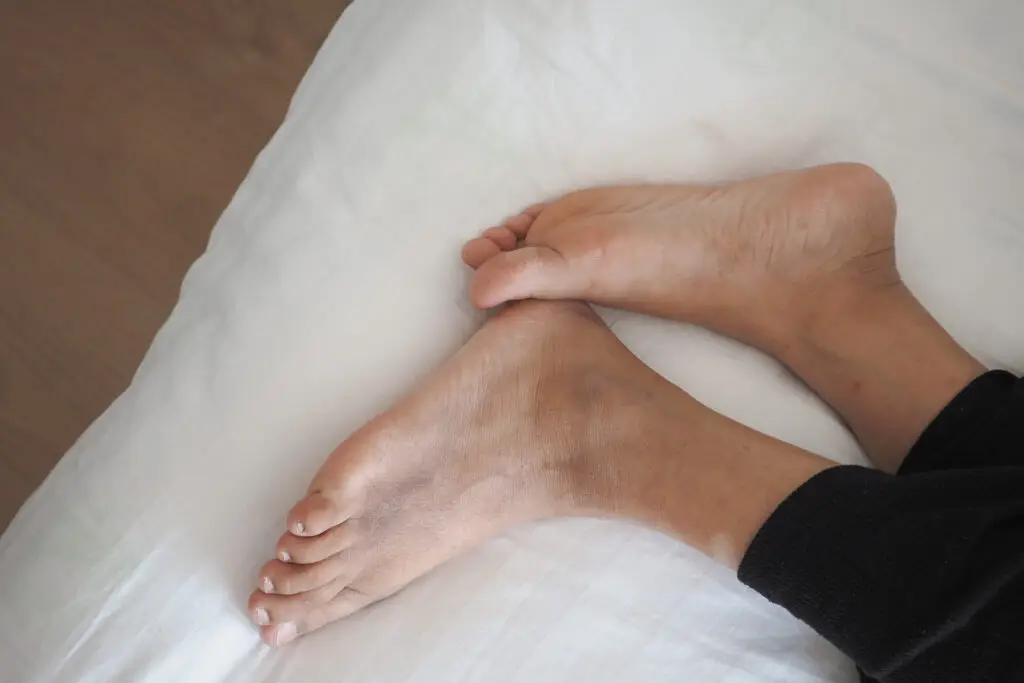
I also examine the feet, because some patients with Dupuytren’s disease also develop related nodules in the soles of the feet, called Ledderhose disease.
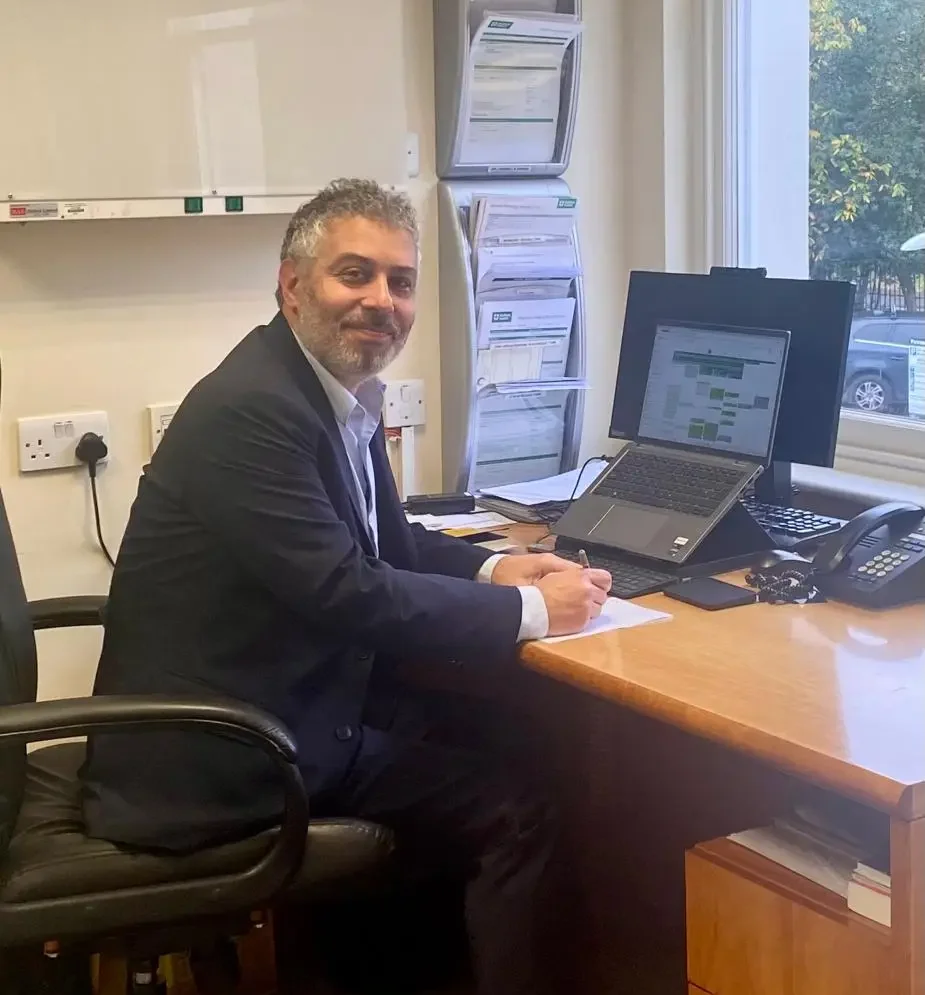
If radiotherapy appears appropriate, we then discuss the likely benefits, limitations, and possible side effects.
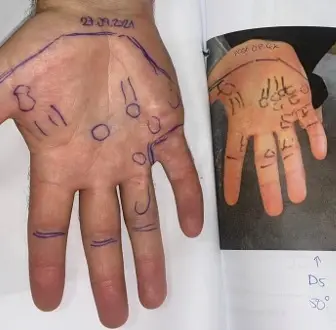
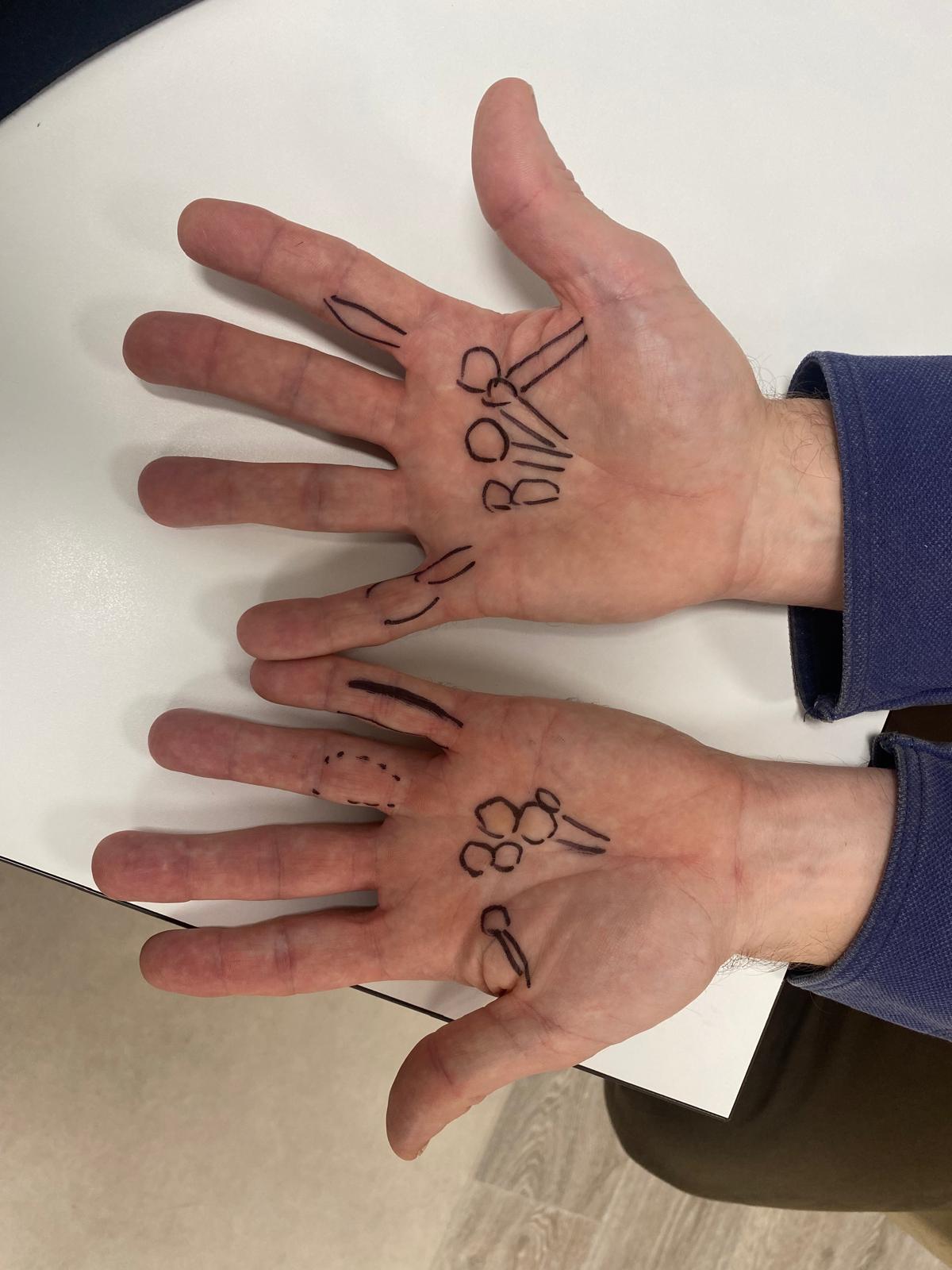
The areas of disease are marked out on the hand, photographs are taken for the medical records, and the radiotherapy field is planned. You then sign a consent form if you decide to proceed.
Afterwards, you spend some time with the radiographers, who organise the practical side of treatment and gather the information needed to create the treatment setup.
The whole visit is normally around an hour altogether.
Most patients start treatment around two to three weeks after the consultation.
This is because a custom metal shield has to be manufactured specifically for your hand. This fits into the treatment machine and shapes the radiation beam accurately around the treatment area.
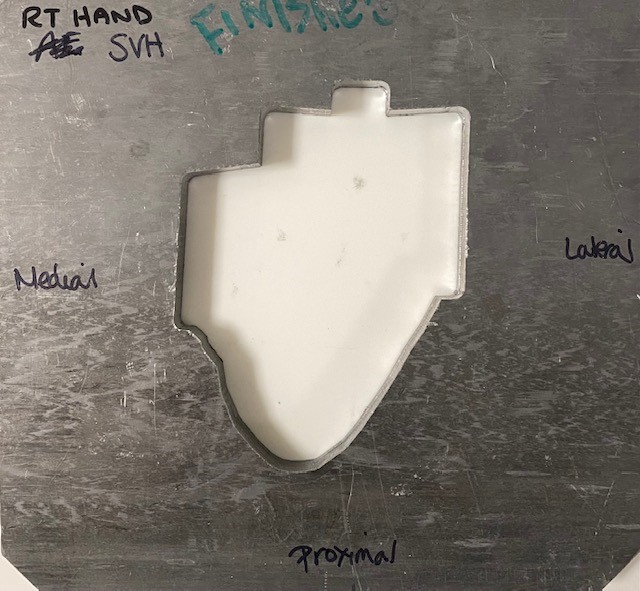
The actual treatment appointments are usually very straightforward.
Most patients are surprised by how simple and calm the process feels once they have been through the first session.
Each appointment normally lasts around 10 minutes in total.
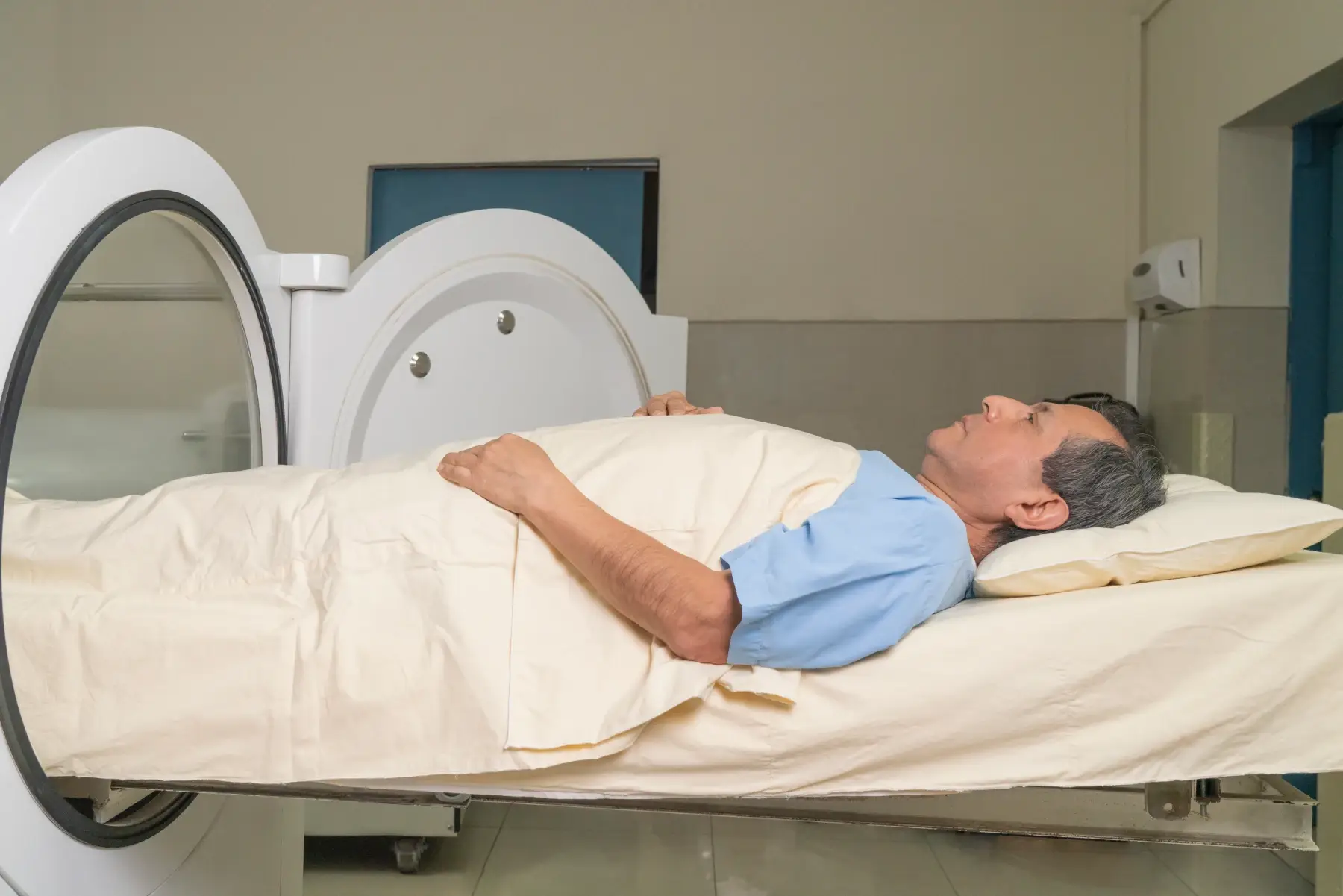
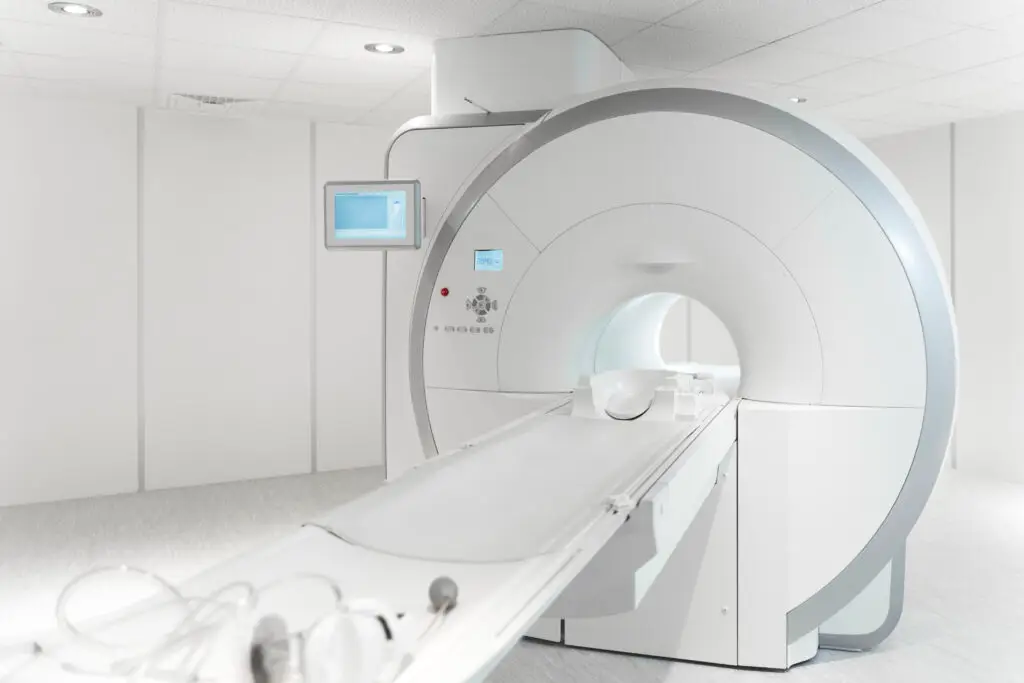
When you arrive, the radiographers bring you into the treatment room and ask you to lie down on the treatment couch. The couch is firm and flat, similar to what you might experience during a scan.
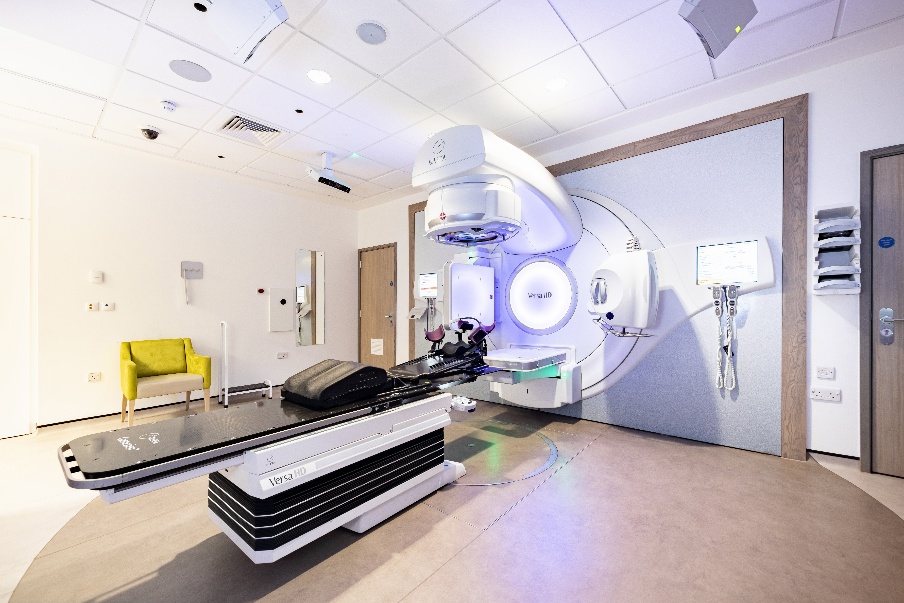
Your hand is then positioned carefully.
The most important part of the session is getting the hand into exactly the same position each day, so that the treatment is delivered accurately and consistently.
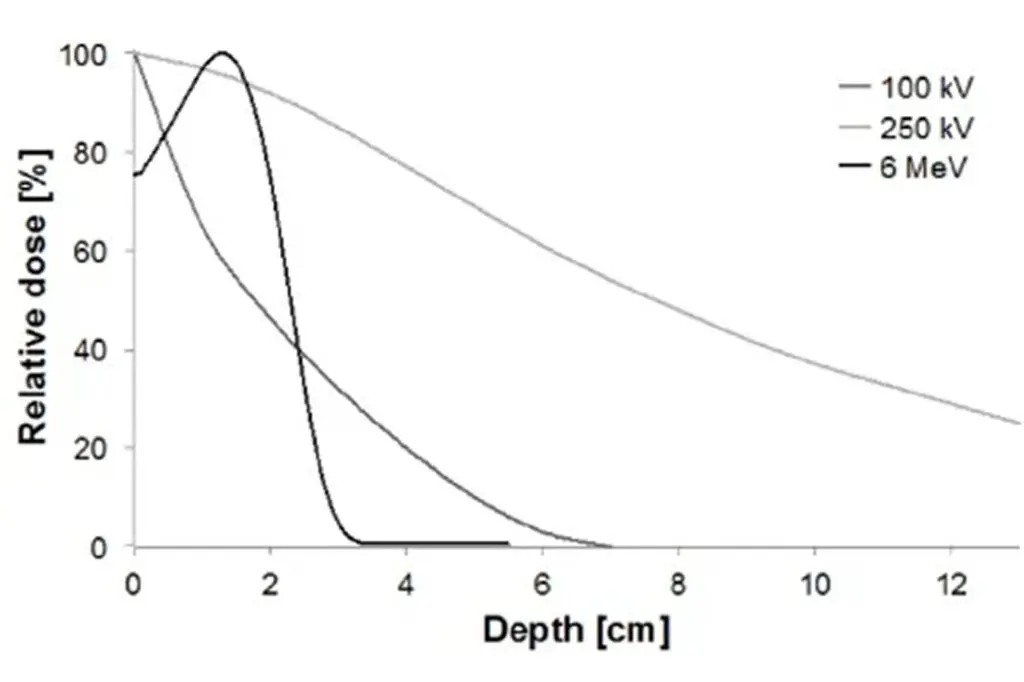
Sometimes a custom plastic mould is placed over the hand to help keep it still and in the same position each time. A wax-like material may also be placed over the treatment area. This helps bring the radiation dose towards the surface tissues where Dupuytren’s disease sits.
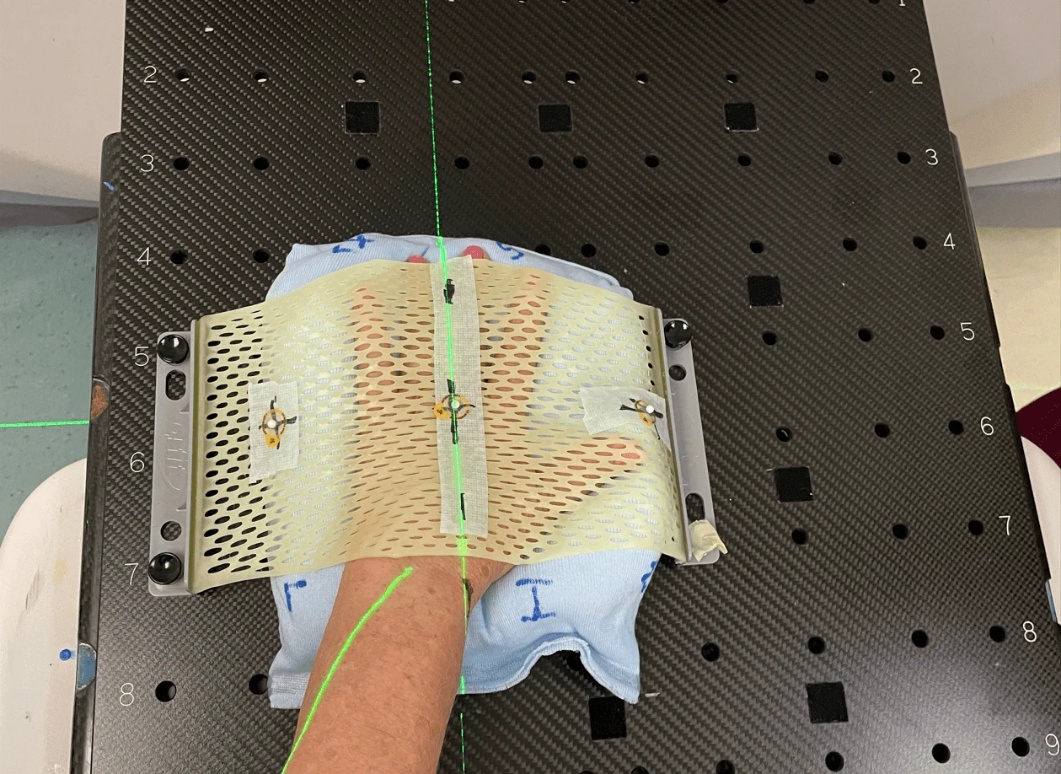
Nothing sharp, invasive, or painful happens during this process.
The treatment machine sits next to the couch and moves into position above the hand.
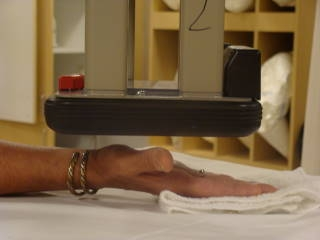
The machine does not clamp onto the hand or touch it.
Once everything is lined up correctly, the radiographers leave the room briefly and watch from just outside using cameras and monitors. This is standard for all radiotherapy treatments.
You are not left alone in the sense of being unmonitored. The radiographers can still see and hear you throughout the treatment.

The standard treatment schedule is five treatments, usually given on consecutive weekdays.
If there is a weekend in the middle of the treatment week, that does not reduce the effectiveness of the treatment.
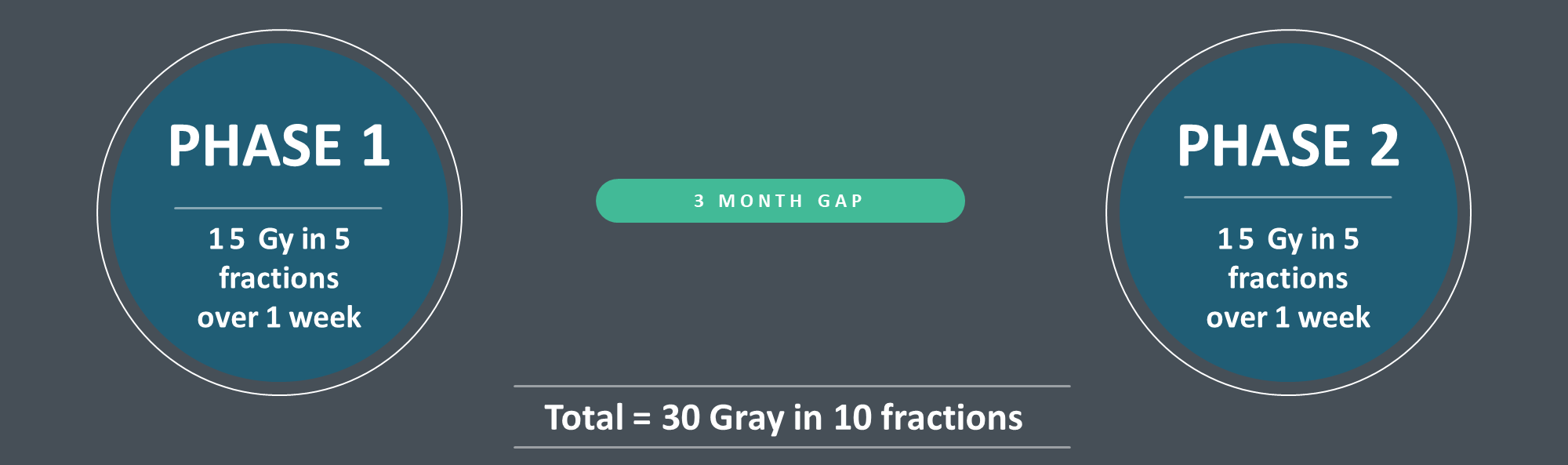
After the first five treatments, there is then a gap before the second phase of treatment. Traditionally, this gap is around three months, although in practice, there can be some flexibility depending on scheduling and travel arrangements.
The second phase is then another five treatments.
In total, patients therefore receive ten treatments altogether.
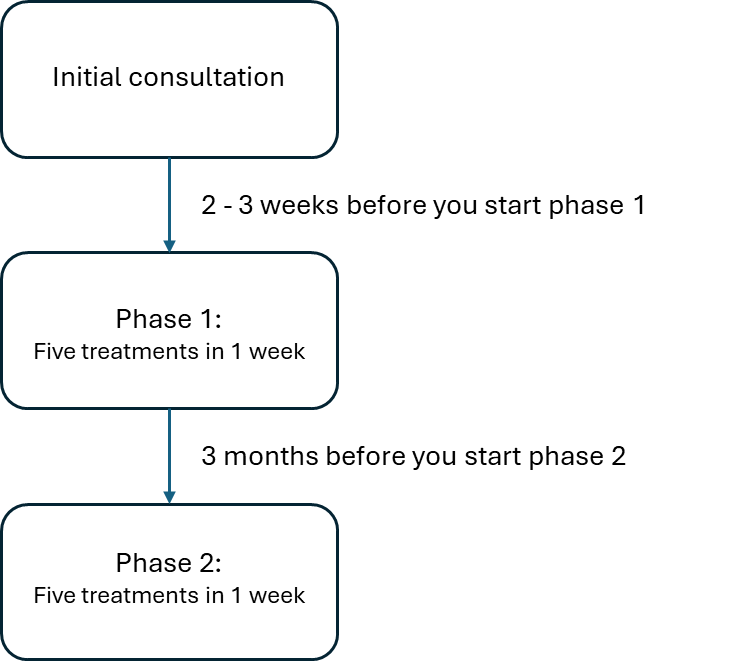
Once you have seen me in the clinic, there is normally a wait of around two to three weeks before treatment starts, while the treatment equipment is prepared.
The treatment itself is then usually around 10 minutes each day for five weekdays in a row.
After that, there is a gap of roughly three months before the second phase of treatment, which is another five treatments.
Patients are then generally followed up with a questionnaire around three months later. If you are considering treatment and would like to discuss your hand, you are welcome to get in touch.