Understand what a Dupuytren’s contracture is, why it develops, and what it means for your hand. Learn the early signs and when treatment may help.


Dupuytren’s disease includes everything from the first nodule all the way through to a severe contracture (fixed bending) of the fingers, and everything in between.
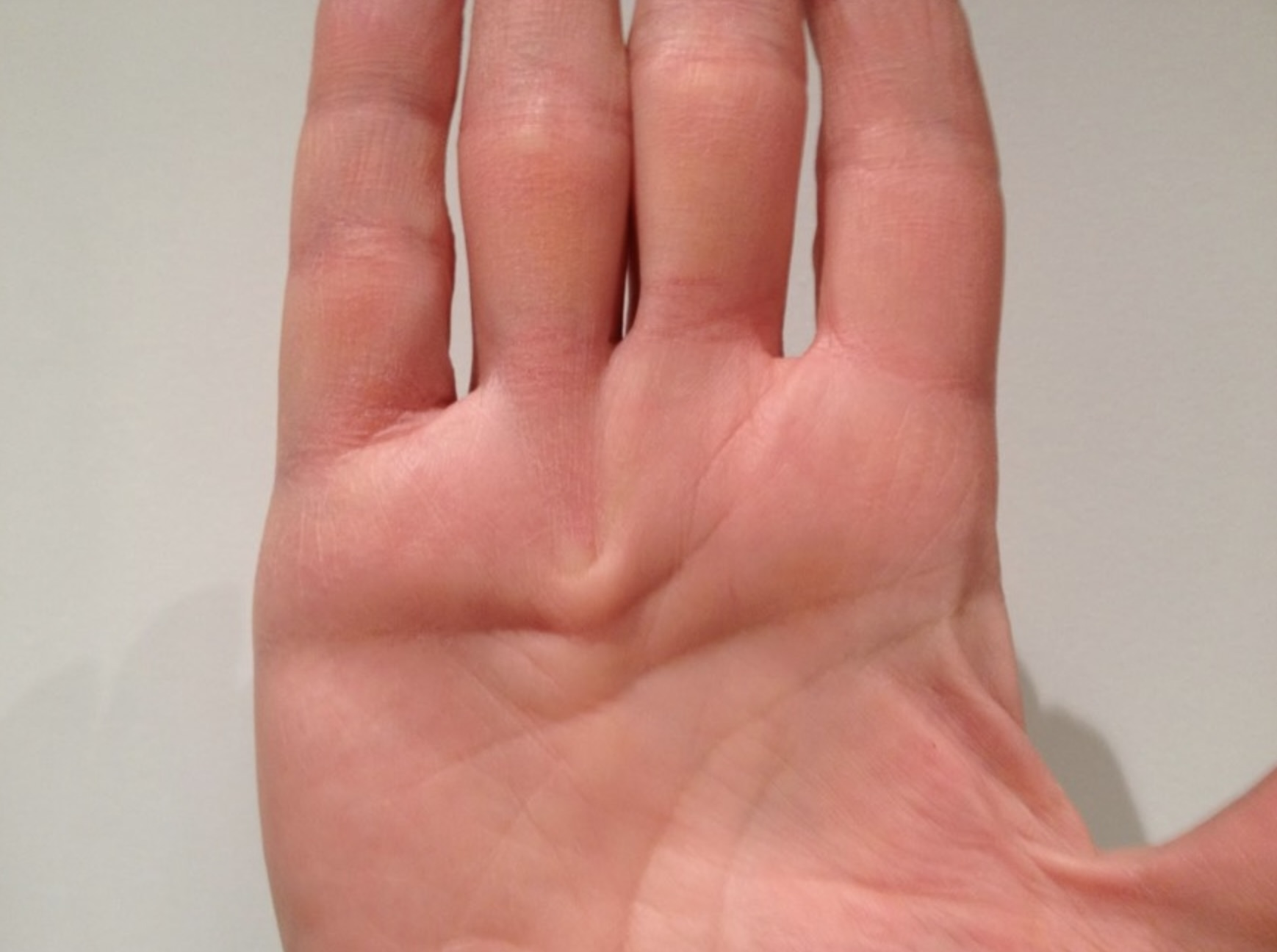
Early Dupuytren’s disease
So you may have Dupuytren’s disease even though your fingers are completely straight. Alternatively, you may have noticed a finger beginning to bend and wonder whether this means you have developed a contracture.
So a contracture is not the starting point of Dupuytren’s disease. It may develop later in some patients as the condition progresses.
What Is a Dupuytren's Contracture?
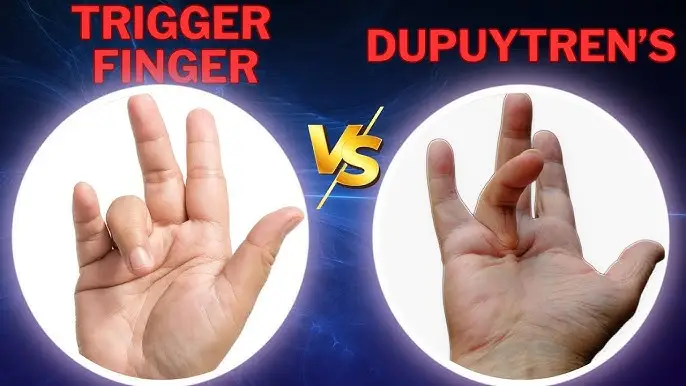
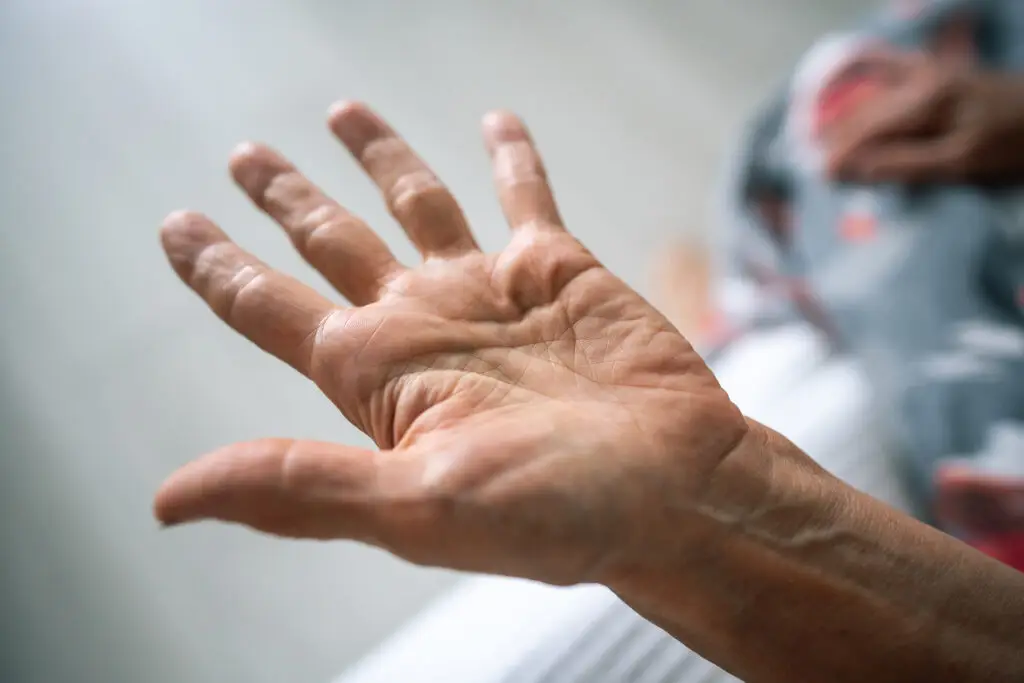
A Dupuytren’s contracture occurs when tissue in the palm thickens and shortens to the point that it begins to pull one or more fingers into a bent position.
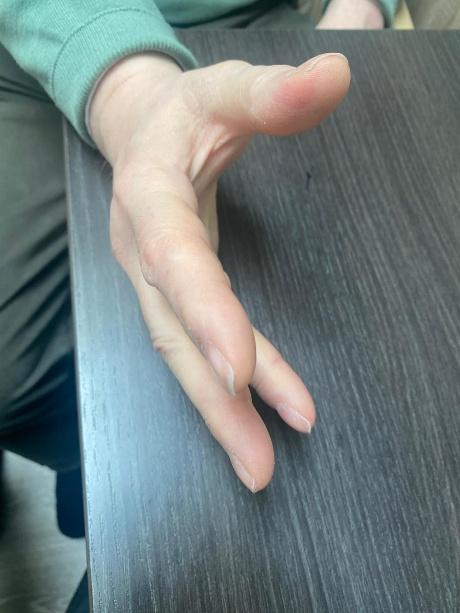
The ring finger and little finger are most often affected, although any finger can be involved.
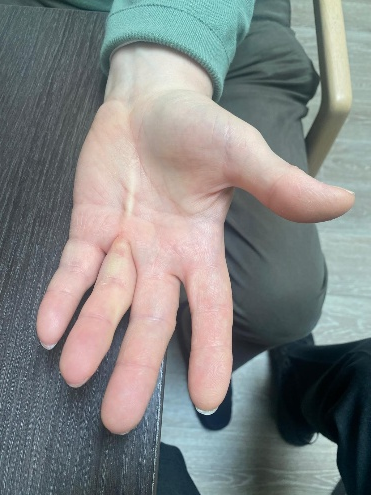
In the early stages, the finger may still straighten fully. As the contracture progresses, the finger becomes increasingly difficult to straighten. Eventually, some patients can no longer place the affected finger flat on a table.
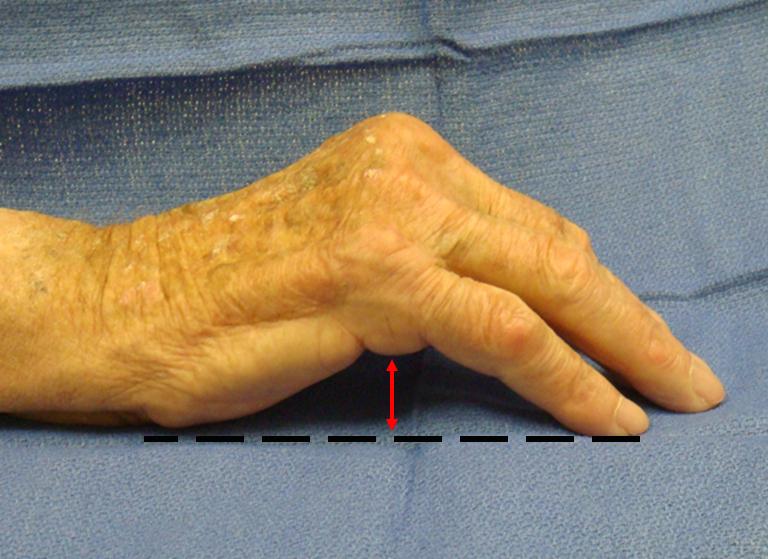
A contracture can affect a single finger or several fingers. It may affect one hand or both hands.
What is not a Dupuytren's contracture?
Patients are often told they have “early Dupuytren’s” and then spend time wondering whether every change in their hand represents a contracture.
Several common findings are not the same thing as a contracture.
- A lump or nodule in the palm is not a contracture.
- A cord running towards a finger is not a contracture.
- A feeling of tightness or tension in the palm is not a contracture if the finger can still fully straighten.
Some people naturally lose the ability to bend their fingers backwards. This is called “loss of hyperextension” and is not the same as a Dupuytren’s contracture.
The key feature of a Dupuytren’s contracture is that the finger can no longer fully straighten because it is being physically pulled into a bent position.
How does a contracture develop?
Dupuytren’s disease usually develops gradually.
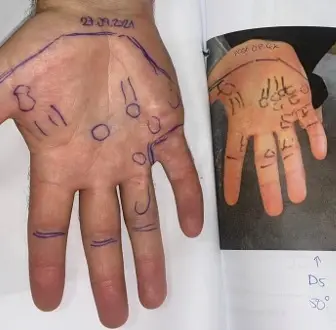
The first sign is often a small nodule or thickened area in the palm. Over time, this may develop into a cord running towards one or more fingers.
As the cord becomes more prominent, some people notice increasing tightness in the hand. The fingers may feel as though they are being pulled forwards, even though they can still be fully straightened.
Only later, in some patients, does the finger stop straightening fully. This is the point at which a contracture is developing.
For most people, the process takes place over years rather than weeks. However, the speed of progression varies considerably between individuals.
If you have noticed a new lump, cord or increasing tightness in your palm, you do not need to wait until a finger is permanently bent before seeking advice. An expert assessment can help establish whether your Dupuytren’s disease is stable or progressing, and whether early treatment may be appropriate. Book a consultation with Dr Shaffer to understand your options and make an informed decision about your hands.

How can a contracture affect everyday life?
In the early stages, a contracture may be little more than an inconvenience.
As it progresses, everyday activities can become more awkward.
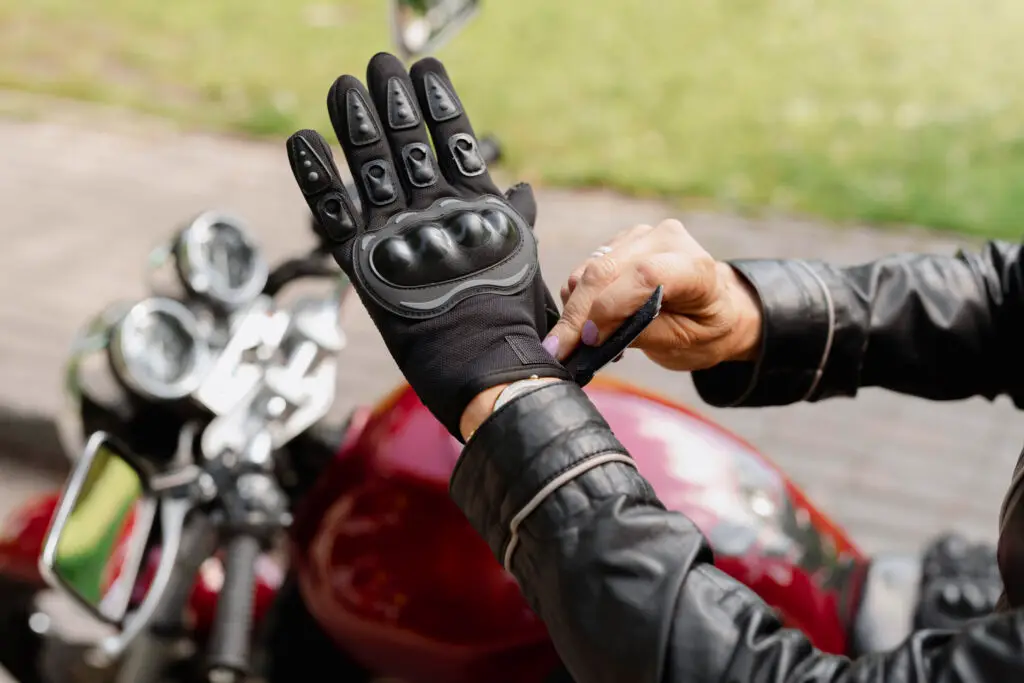
People may report difficulty putting their hand into a pocket or glove. Others notice the finger pokes their eye when they wash their face. A handshake may feel different because the fingers no longer straighten fully. Some people find it harder to grip larger objects or place their hand flat on a surface.
The degree of impact varies. A small contracture may cause very little difficulty, while a more severe contracture can significantly affect hand function. However, people who use their hands in a specialised way, such as musicians, may notice problems with hand function much earlier.
Will everyone develop a contracture?
No.
Some people have nodules or cords that stay stable for many years. Some people experience gradual worsening over years. Some people develop a contracture over a number of months or a year or two.
Unfortunately, there is no reliable way to predict exactly what will happen in an individual patient.
Factors such as younger age at diagnosis, a strong family history, involvement of both hands and the presence of related conditions such as Ledderhose disease may be associated with a higher risk of progression. However, these are only general patterns and cannot predict what will happen for any particular person.
The advice many patients receive
Many patients are told some version of: “Come back when the finger starts to bend.“
Historically, this advice made sense because the only treatment available was surgery to release an advanced contracture. Because of this, many patients were just observed until they developed a contracture that was bad enough that they needed surgery to release it.
Many people in the early stages of Dupuytren’s disease see me for an appointment as they want to avoid their fingers becoming bent. Their friend at the golf club or their Father may have had surgery, and it may not have been successful. People think there must be a better way to take control and prevent things from getting worse, rather than passively waiting.

But if things are too far down the line and you already have a contracture, then you’re probably looking at surgery or a needle procedure to straighten the fingers.
When is treatment for a contracture usually considered?
Treatment is usually considered when a contracture is significantly interfering with hand function. Many hand surgeons use thresholds of around 30 degrees or 50 degrees of contracture at the joint, although the exact decision depends on the finger involved, the joints affected and the impact on daily life.
The tabletop test is often used as part of the assessment. If the hand can no longer be placed flat on a table, this may suggest a meaningful contracture.
The main treatments for established contracture include needle aponeurotomy, surgical fasciectomy (sometimes with an additional skin graft). The aim of these procedures is to straighten the fingers and improve hand function.
Why can severe contractures be more difficult to treat?
One reason doctors don’t like leaving a contracture untreated indefinitely is that very severe contractures can become more difficult to correct. This is because the joint capsule, ligaments and surrounding soft tissues can tighten, making it harder to completely straighten the finger even if the Dupuytren’s tissue is successfully released.
This does not mean that treatment is impossible, but it is one reason why very advanced contractures can be more difficult to correct than earlier ones.
The Bottom Line
A Dupuytren’s contracture is the stage of Dupuytren’s disease where the affected tissue begins to pull a finger into a permanently bent position.
Not every patient with Dupuytren’s disease develops a significant contracture, and the extent and timing of progression can vary enormously from person to person.
The traditional advice has often been to wait until a contracture develops before considering treatment. However, this reflects a time when surgery was the only treatment option.
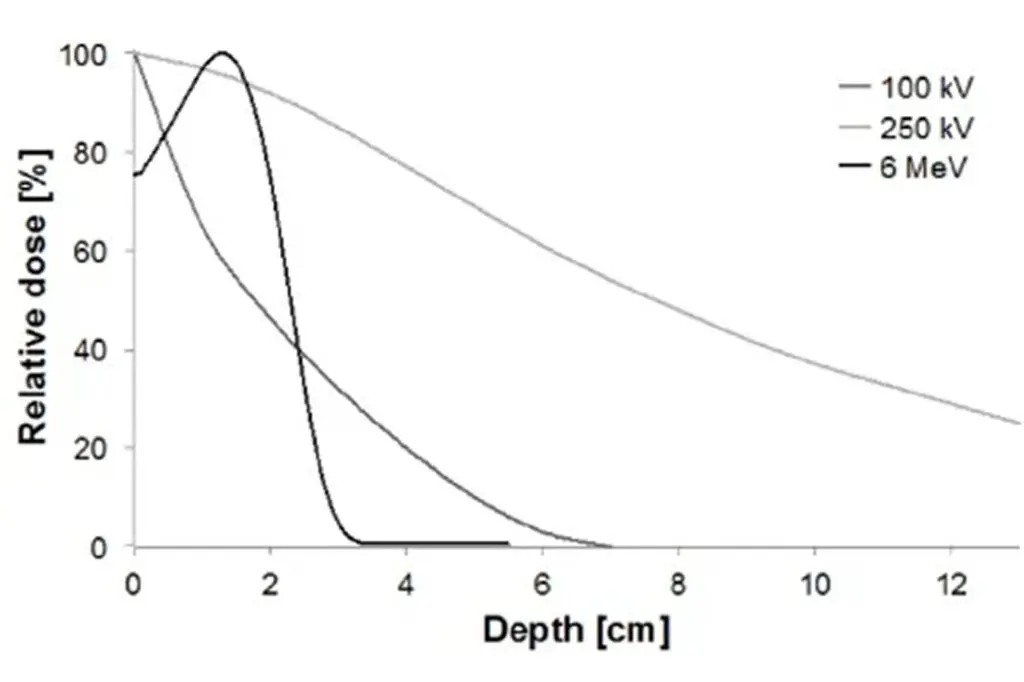
Today, it may be worth discussing preventative radiotherapy treatment before significant finger bending occurs.
If you have been diagnosed with Dupuytren's disease and are unsure whether your condition is stable or progressing, a proper assessment can help clarify where you are on the journey and what options may be appropriate for your particular situation.