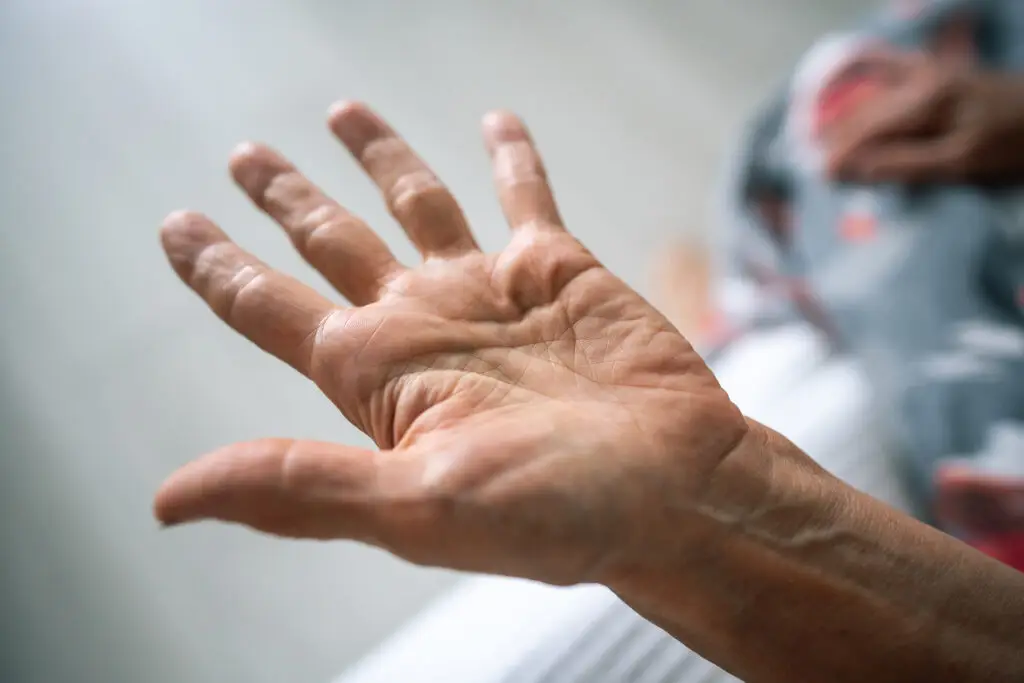
Many patients live too far away to easily reach the clinic, sometimes overseas. A virtual consultation can often help work out whether radiotherapy is likely to suit your Dupuytren’s disease before you commit to travelling. Here is how it works, how accurate it is, and where it has its limits.

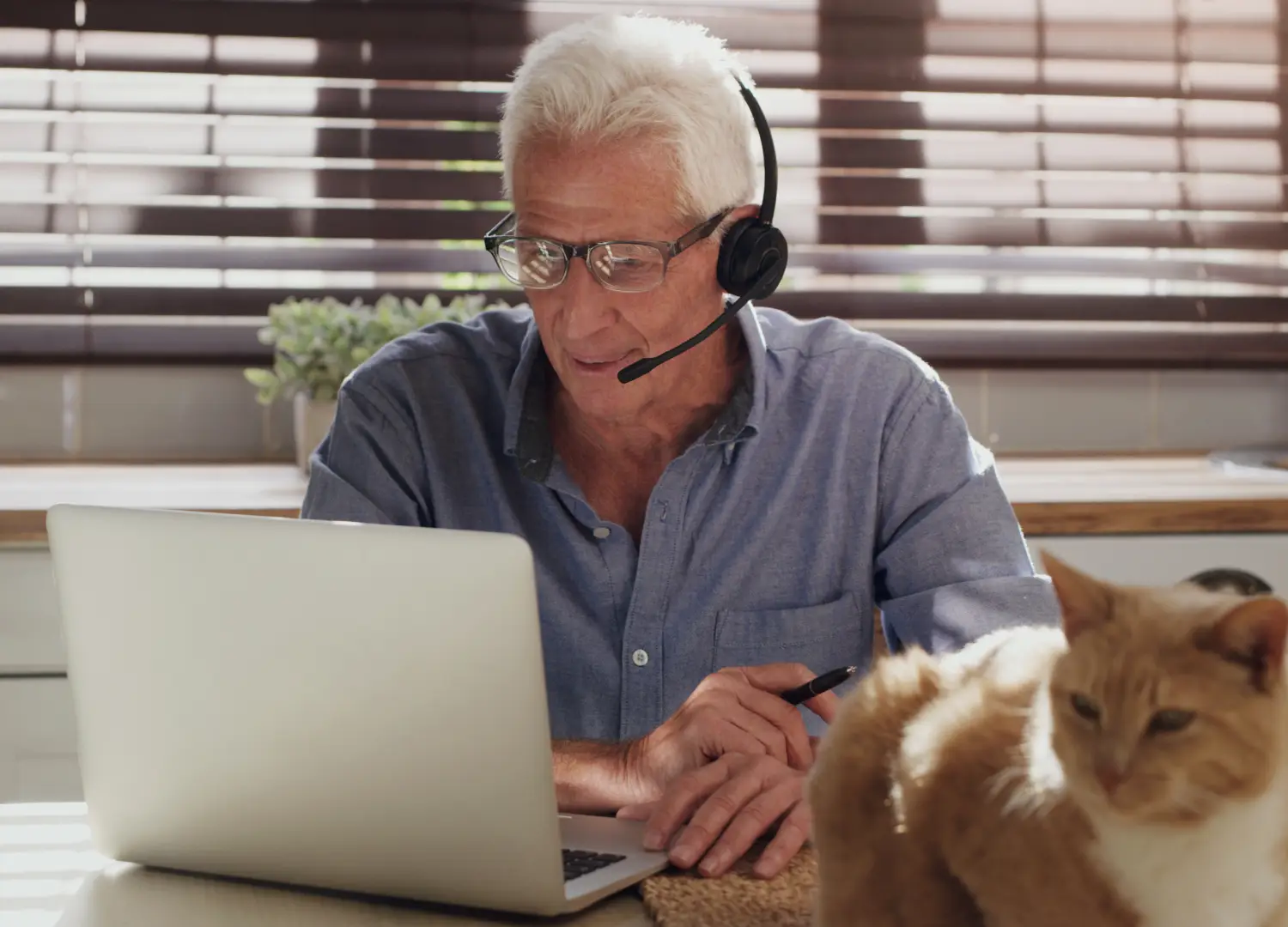
Many patients who contact me live a long way from my clinic, whether that’s in the UK or whether they are travelling from other countries in Europe or from North America. Understandably, nobody wants to travel a long way, sometimes from overseas, only to be told in person that radiotherapy was never going to be suitable.
I often get asked whether it is possible to have the initial appointment for assessment of their Dupuytren’s disease remotely. They also ask whether I can decide if radiotherapy is likely to be appropriate before travelling.
The short answer is yes. Virtual consultations can often be very helpful. However, they are not quite as good as seeing somebody in person, and I’ve tried to explain the limitations below.
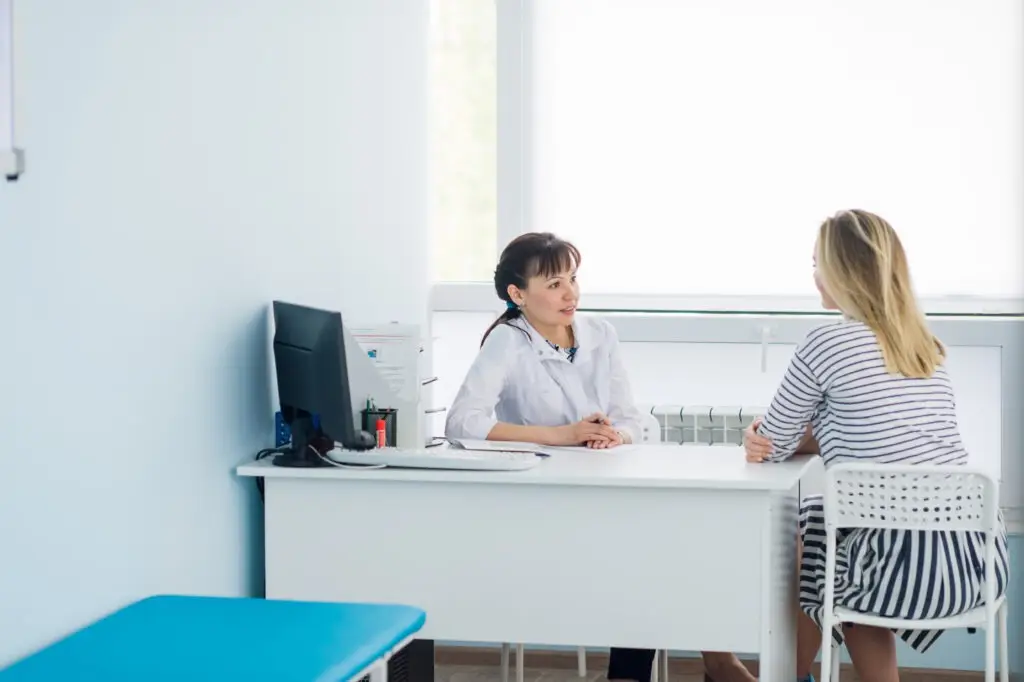
I prefer to see patients face-to-face
That’s because I can examine people’s hands much better when I can feel the skin, the nodules (firm lumps under the skin) and the cords (thicker bands of tissue) and move the fingers around myself. A good examination is not just about whether you can see a nodule or a cord. I’m also looking to see any subtle tightness of the fingers and loss of finger span (how far the fingers can spread apart). These are much easier to assess in the clinic than through a computer screen.
In some patients, those details make the difference between recommending treatment and not. For that reason, if travelling is practical, a face-to-face consultation remains the gold standard.
When is a virtual consultation helpful?
Virtual consultations are available for people who are unable to come to the clinic.
This includes:
- People who live a long way from my consultation clinics in London, Guildford or Nottingham
- People who live outside the UK
- Patients who want an initial opinion before making travel plans
In most cases, a virtual consultation can help work out what to do next.
What happens before the appointment?
Before the consultation, you will receive a questionnaire asking about your condition and medical history.
This includes questions about:
- When you first noticed the nodules or cords
- Whether the disease appears to be progressing
- Previous treatments
- Family history
- Occupation and hobbies
- Other medical conditions
This gives me a good understanding of your background and concerns well in advance of our meeting.
Photographs can be helpful
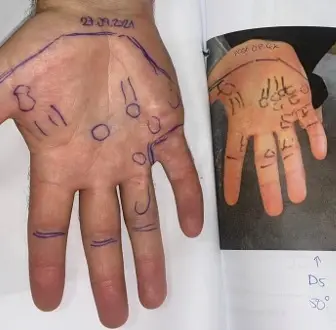
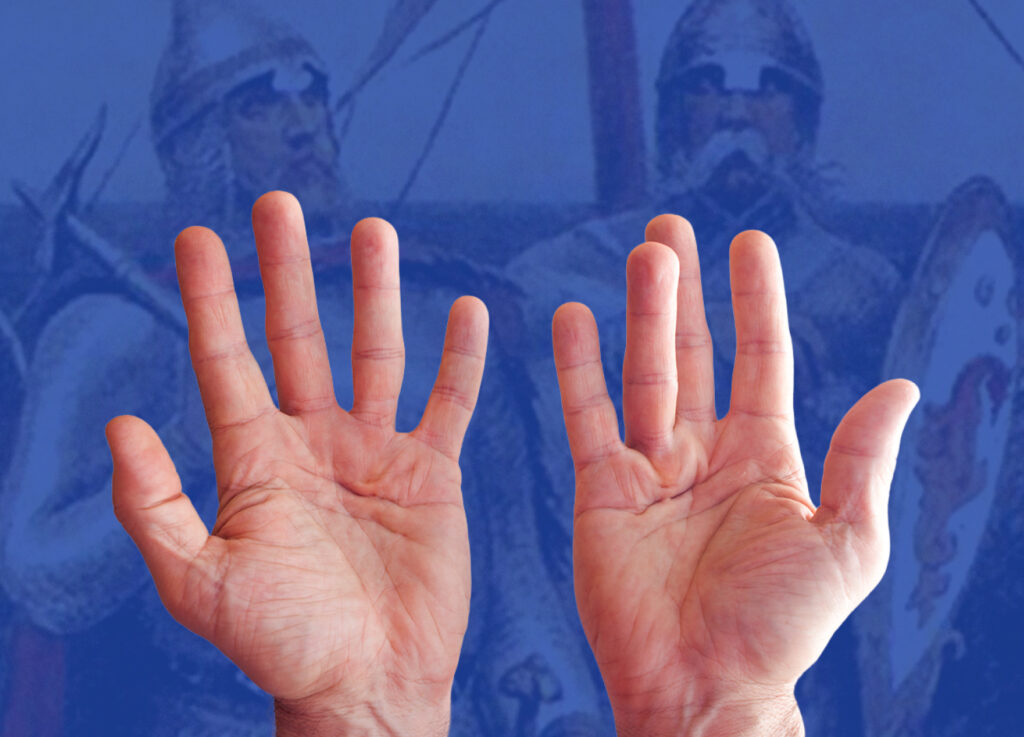
Often, patients send me photographs of their palms before the consultation. The most helpful images are usually taken in good natural light:
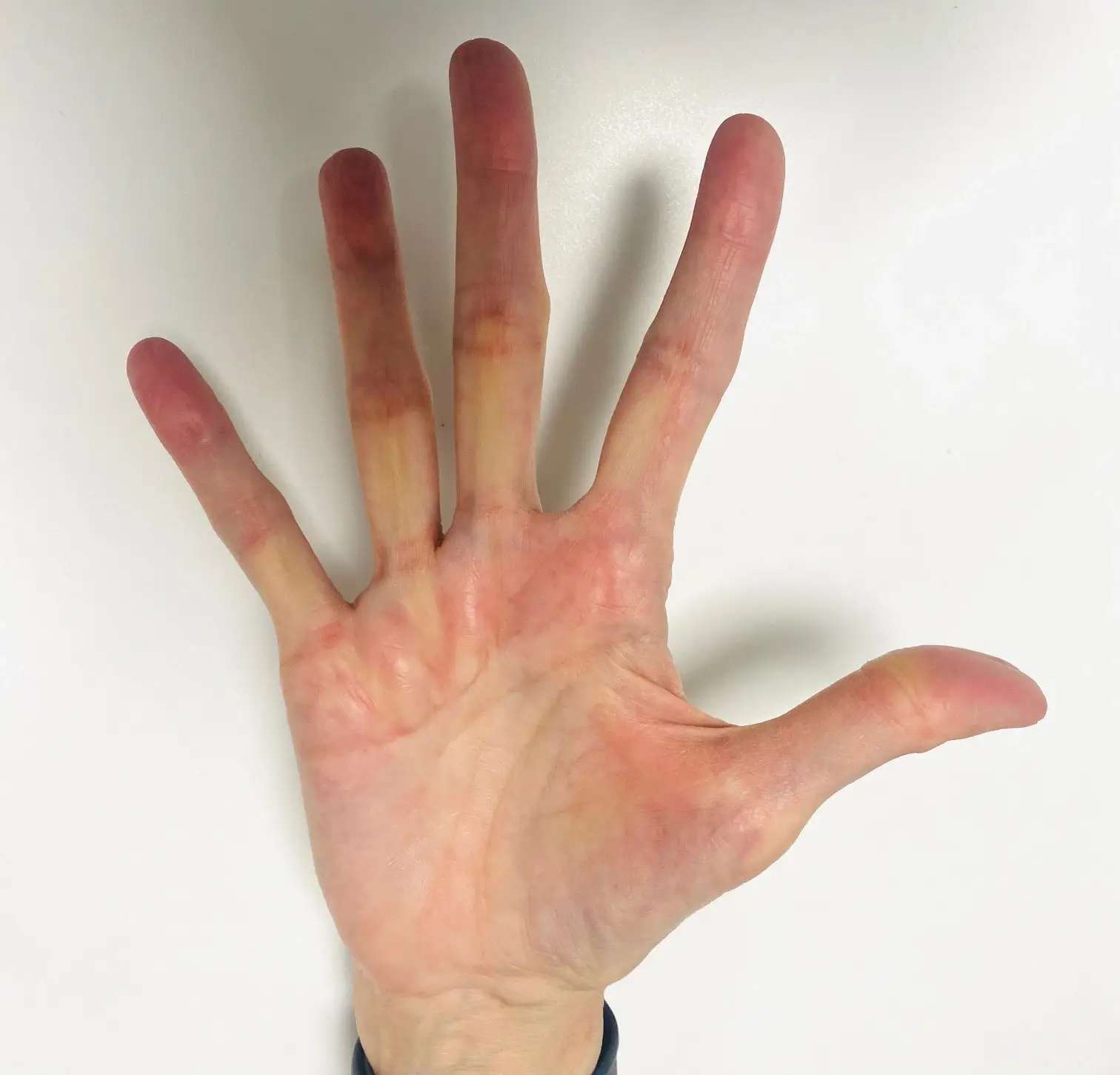
- A direct photograph of the palms with the fingers relaxed
- A photograph of the palm with the fingers stretched backwards (helps see the cords)
- Close-up photographs of any obvious nodules or cords
- A side-on photo showing any fixed bending of the fingers
What happens during the video consultation?
We use Microsoft Teams, and the appointment lasts around 30 minutes.
We start by discussing how the condition started and how it has changed over time, as well as clarifying any other background details.
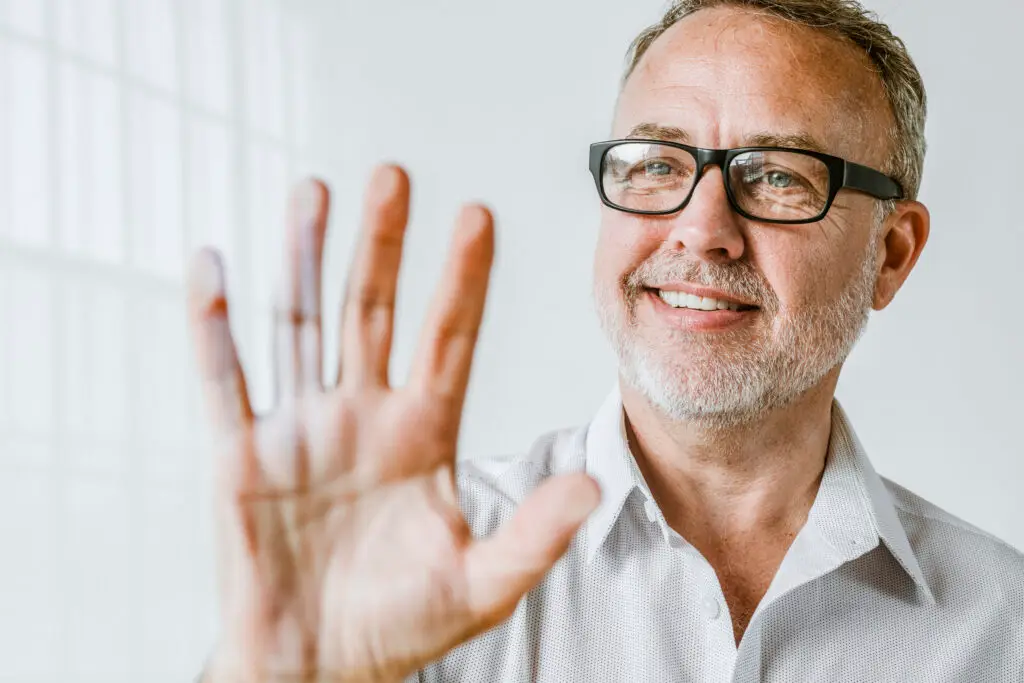
I then examine the hands remotely. This usually involves holding the hands up towards the camera so that I can inspect any nodules or cords. I may ask you to perform several simple movements to help assess finger movement and flexibility.
How accurate is a virtual consultation?
Most of the time, I can make a pretty confident recommendation as to whether you are too early, just right, or too late for radiotherapy.
If the disease is at an early stage, progressing, and there is evidence of changes such as finger tightness or reduced finger span, it is often possible to say that radiotherapy is appropriate.
Similarly, if the disease is clearly too advanced for radiotherapy (with established contractures), then that can usually be seen.
Overall, in my experience, I can make a sensible recommendation in around 8 in 10 cases through a virtual consultation.
Expert Non-Invasive Treatment for Dupuytren’s and Ledderhose Disease Across the UK
If you are weighing up where to be seen and where to have treatment, we are happy to talk it through with you. Get in touch with Dr Shaffer and we can advise on the most practical pathway for your location.

Where virtual consultations are less reliable
Some patients fall in a grey area. It can sometimes be quite challenging to assess mild contractures and mild loss of hyperextension (the ability to bend the fingers backwards). Sometimes a finger appears reasonably straight on camera but proves to be more bent when examined in person.
Also, if the disease is quite early and the lighting in the room of the patient is not great, then it can be quite difficult to see the nodules and cords.
Because of this, I don’t routinely recommend virtual consultations for everyone.
What happens after the consultation?
At the end of the consultation, there are three possible outcomes.
The first is that the disease appears suitable for radiotherapy, and we discuss arranging treatment.
The second is that the disease is not currently suitable for treatment. This is either because it is too early or because it has progressed beyond the stage where radiotherapy is likely to be helpful.
The third is that there is some uncertainty, and I recommend a face-to-face assessment before any treatment decisions are made.
For patients travelling long distances, we can often arrange a streamlined pathway. This allows the face-to-face assessment, treatment planning, and subsequent treatment to be organised efficiently over a short period.
In summary
Virtual consultations can really be a useful way to get an expert opinion if you live a long distance away or are unable to easily come to the clinic.
Often they are good enough to work out whether radiotherapy is likely to be appropriate and to help patients decide whether to travel for treatment.
However, they are not quite as accurate as a face-to-face assessment.
I generally regard virtual consultations as a helpful second-best option when an in-person assessment is impractical, rather than an ideal replacement for seeing patients in the clinic. If you would like to book an appointment with Dr Shaffer, please